 Americans in Argentina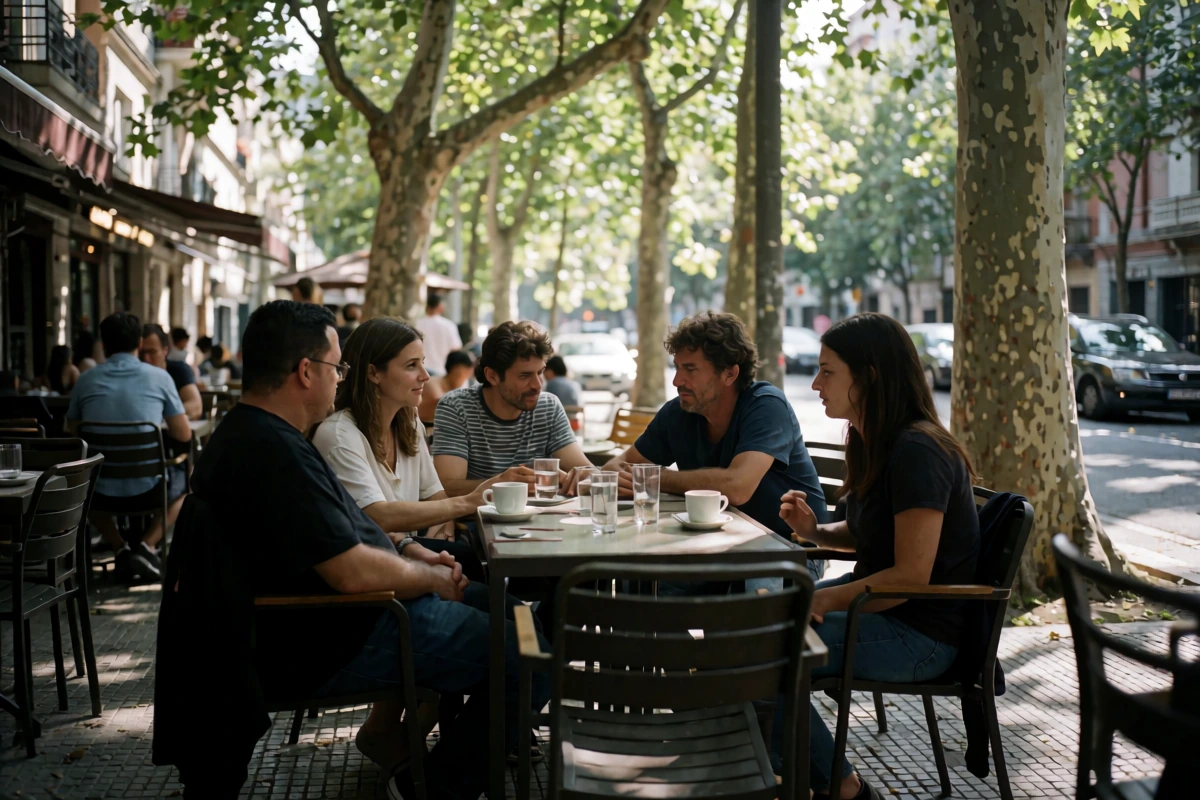
Why there is no reliable American headcount
US citizens have no duty to notify the US government of a move abroad, and the State Department's Smart Traveler Enrollment Program (STEP) is voluntary. INDEC's census counts Argentine residents born in the United States, a category that includes Argentines born there and misses US citizens born elsewhere. People on 90-day tourist entry are outside that resident count. InterNations membership measures sign-ups rather than people living in Argentina, so none of those figures can answer the citizenship question.
Choosing a city and paying for a home
In Buenos Aires, Americans are spread among Palermo, Recoleta, Belgrano, Caballito, Villa Crespo and San Telmo rather than gathered in an American quarter. Córdoba's universities and technology firms appeal to some; Mendoza has a wine and mountain economy. In September 2026, a central Buenos Aires one-bedroom rents for about US$750 a month, or US$545 farther out. One person's total monthly spending runs about US$1,300–1,900, with Córdoba and Mendoza 20–30% cheaper. A subte (subway) ride costs ARS 1,753.
Under DNU 70/2023, which repealed the 2020 rental law, landlord and tenant agree the term, currency and rent adjustments. Those clauses make two similar-looking listings difficult to compare without the contracts. Search rentals by neighborhood on PlataPlace for agency and owner listings together.
A neighborhood also shapes the ordinary hours of the day. Smaller shops and pharmacies may shut at midday; dinner at 9 or 10 pm is normal. Many households make short stops at the verdulería for produce, the carnicería for meat and the corner supermarket known as the chino.
From a visitor's 90 days to residence
Americans enter visa-free for 90 days without an AVE electronic travel authorization. Migraciones can grant one further 90-day tourist stay, but tourist entry excludes local work. A settled stay goes through the Dirección Nacional de Migraciones (DNM). Rentista income from abroad or a pensionado foreign pension must reach five times the minimum wage (SMVM): about ARS 1.9 million or US$1,250 a month in September 2026. Neither route permits an Argentine job.
Other applications rest on an Argentine job, enrollment at a local institution or an Argentine family tie. DNU 366/2025 gives spouses and parents of Argentines temporary family residence first, then a path to permanent residence. Digital nomad status covers remote work for foreign employers or clients for 180 days, extendable once by 180; it brings neither a DNI nor time toward permanent residence.
Temporary residence is renewable annually; permanent residence is possible after three years, while the two-year Mercosur route does not apply to Americans. DNM charges 100 UMSM (ARS 100,000) to file. The resulting precaria is usually valid for 90 days and renewable while a decision, typically taking 3–12 months, is pending. After approval, RENAPER or a Registro Civil issues the DNI national ID card for ARS 20,000, delivered by mail in 2–6 weeks. Two years of continuous legal residence can lead to a citizenship application at DNM.
The US and Argentine systems you keep using
Living abroad leaves US tax filing in place: the IRS taxes citizens on worldwide income, and the two countries have no income tax treaty. Foreign accounts totaling more than US$10,000 at any point in the year also trigger an FBAR filing with FinCEN. In Argentina, ARCA (known as AFIP until October 2024) issues the CUIT tax number and clave fiscal password; ANSES provides the CUIL needed for local employment.
The peso was about ARS 1,545 to the dollar in September 2026. Individual exchange controls ended in April 2025, bringing US card conversion close to the official rate and narrowing the blue-dollar gap. Healthcare has its own residency line: under DNU 366/2025, public hospitals may charge non-residents for non-emergency treatment; emergencies remain free for everyone and DNI-holding residents retain free public care. At age 30, private prepagas including OSDE, Swiss Medical, Galeno and Medifé run roughly US$130–870 monthly.
Where to turn for consular help
American Citizen Services at the U.S. Embassy, Av. Colombia 4300 in Palermo, handles US passports, notarial services, Consular Reports of Birth Abroad and emergencies involving citizens. STEP enrollment brings embassy security alerts, though it is voluntary and not a directory of Americans abroad. Migraciones handles Argentine residence. For an emergency, call 911 for police, 107 for an ambulance (SAME in Buenos Aires) or 100 for fire.
Community beyond an American headcount
AmCham Argentina, founded in 1918, brings together business contacts; Asociación Escuelas Lincoln, the American international school founded in 1936, connects families through school. The relationship reaches back to US recognition of Argentine independence in 1823, though today's Thanksgiving dinners, Fourth of July picnics and election-night parties come from residents, alumni groups, churches and restaurants rather than the embassy. InterNations lists member-hosted events with dates, hosts and venues.
In Córdoba and Mendoza, fewer gatherings are advertised specifically for Americans. Universities, coworking spaces and municipal cultural programs offer other points of entry. A recurring Spanish class or intercambio (language exchange) can become a more reliable connection than a one-off holiday event.
There is no American quarter or definitive population figure to orient a new arrival. A local routine tends to form around a particular block, regular shops and people encountered again, while Migraciones, RENAPER, ARCA and American Citizen Services each handle their own part of the paperwork.
Common questions
How many Americans live in Argentina?
No official figure counts US passport holders resident in Argentina. US citizens need not register a move abroad, and the INDEC census counts birthplace rather than citizenship.
Do Americans need a visa to live in Argentina?
A visit starts with 90 visa-free days and one possible 90-day extension. Settling here calls for a Migraciones residence route, such as rentista or pensionado with roughly US$1,250 in qualifying monthly income as of September 2026.
Where do Americans live in Argentina?
Buenos Aires residents are spread across Palermo, Recoleta, Belgrano, Caballito, Villa Crespo and San Telmo; others live in Córdoba or Mendoza. In September 2026, a central Buenos Aires one-bedroom cost about US$750 a month; search listings on PlataPlace.
Do Americans living in Argentina pay US taxes?
US citizens continue filing on worldwide income while abroad. There is no US–Argentina income tax treaty; foreign accounts exceeding US$10,000 combined at any point in the year trigger an FBAR.
Where do Americans meet in Buenos Aires?
AmCham Argentina brings business contacts together, while Asociación Escuelas Lincoln connects school families. InterNations lists member-hosted events; local groups and residents organize holiday gatherings.