 Americans in Argentina
Americans in Argentina: how many live here, where and how
No official count tracks US citizens living in Argentina. For those who stay, residence through Migraciones and continuing US tax filings shape life more than a tourist entry stamp.
For passports and emergency assistance, start with the U.S. Embassy. For local groups and events, find the organizers through current listings.
The U.S. Embassy in Buenos Aires provides passport, notarial and emergency services for U.S. citizens visiting or living in Argentina. Its website has the official contacts and appointment information.
For meeting people, external platforms list local organizers and events. An organizer's own page has the latest time and location.
American services and community guideThe embassy handles consular services; the State Department runs travel advisories and traveler enrollment.
Smart Traveler Enrollment ProgramAccording to AmCham Argentina, the American Chamber of Commerce in Argentina was founded in 1918. Asociación Escuelas Lincoln dates its founding to 1936.
American organizations and events in ArgentinaThe Federal Voting Assistance Program publishes absentee registration and ballot instructions for U.S. citizens abroad, organized by state.
Federal Voting Assistance ProgramCurrent organizer pages show event times, locations and how to join. Their details can change between listings.
InterNations carries user-generated American listings for Buenos Aires and Argentina. It is an external member platform, not an official directory or a complete event calendar. Confirm the organizer, date, location, and recent activity on the platform.
Check current Buenos Aires listingsThe American Chamber of Commerce in Argentina publishes bilateral business and institutional activity on its website. This is a professional external channel, not a government source or a general American social calendar. Check the post date, named organizer, and event details.
Check the chamber's current postsThe official Buenos Aires 2026 agenda lists current local culture and public events. It is a city source for general life in Buenos Aires, not an American-specific calendar. Confirm the event date, venue, access details, and organizer on the current listing.
Open the official city agendaRead about the American institutions with a long history in Argentina, or find current services and community listings.
No official count tracks US citizens living in Argentina. For those who stay, residence through Migraciones and continuing US tax filings shape life more than a tourist entry stamp.

January in Buenos Aires averages a 30°C (86°F) high, while Ushuaia reaches only 14°C (57°F). Summer falls in December–February; altitude, rain and wind matter as much as the season.
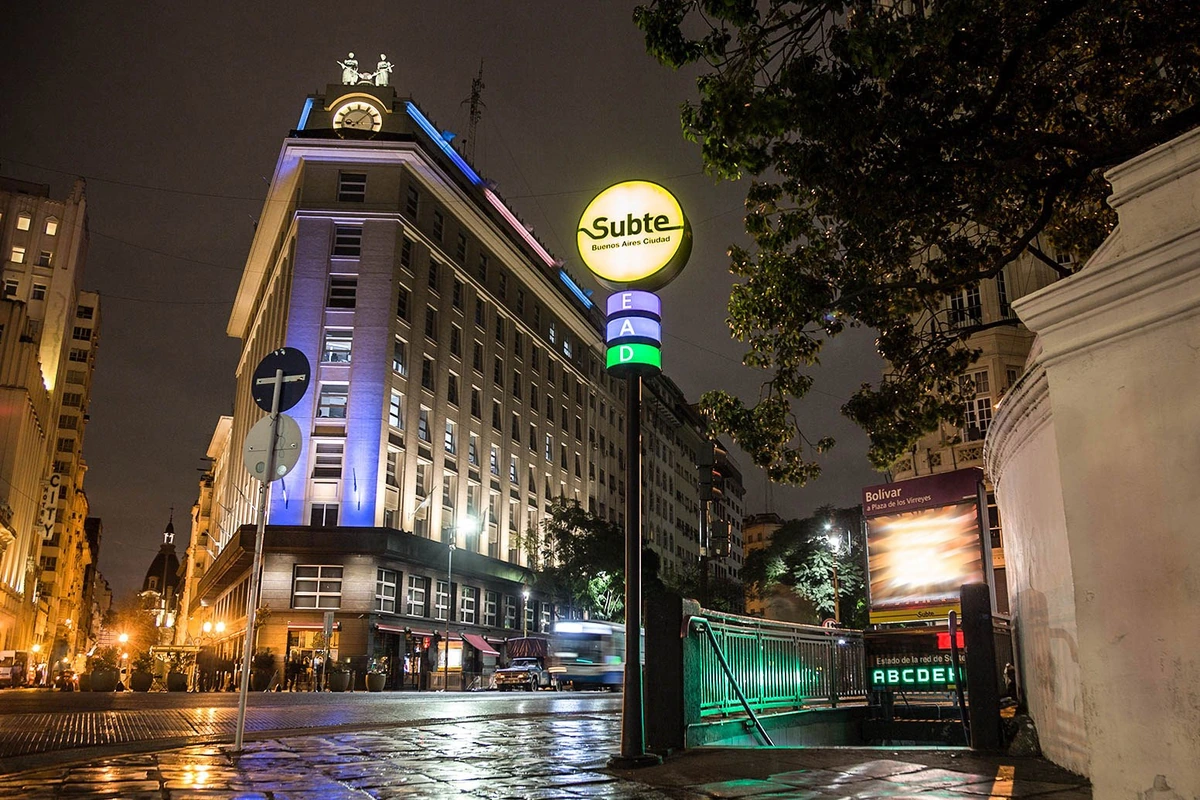
A colectivo number alone will not get you home: direction, branch and stop matter. SUBE covers eligible buses, Subte and metropolitan trains; test a complete trip from your door to your destination.
Keep a phone and bag close in crowds, know the route home at the hour you will travel, and keep contacts available without your main device. For police emergencies call 911; Buenos Aires SAME medical emergencies use 107.
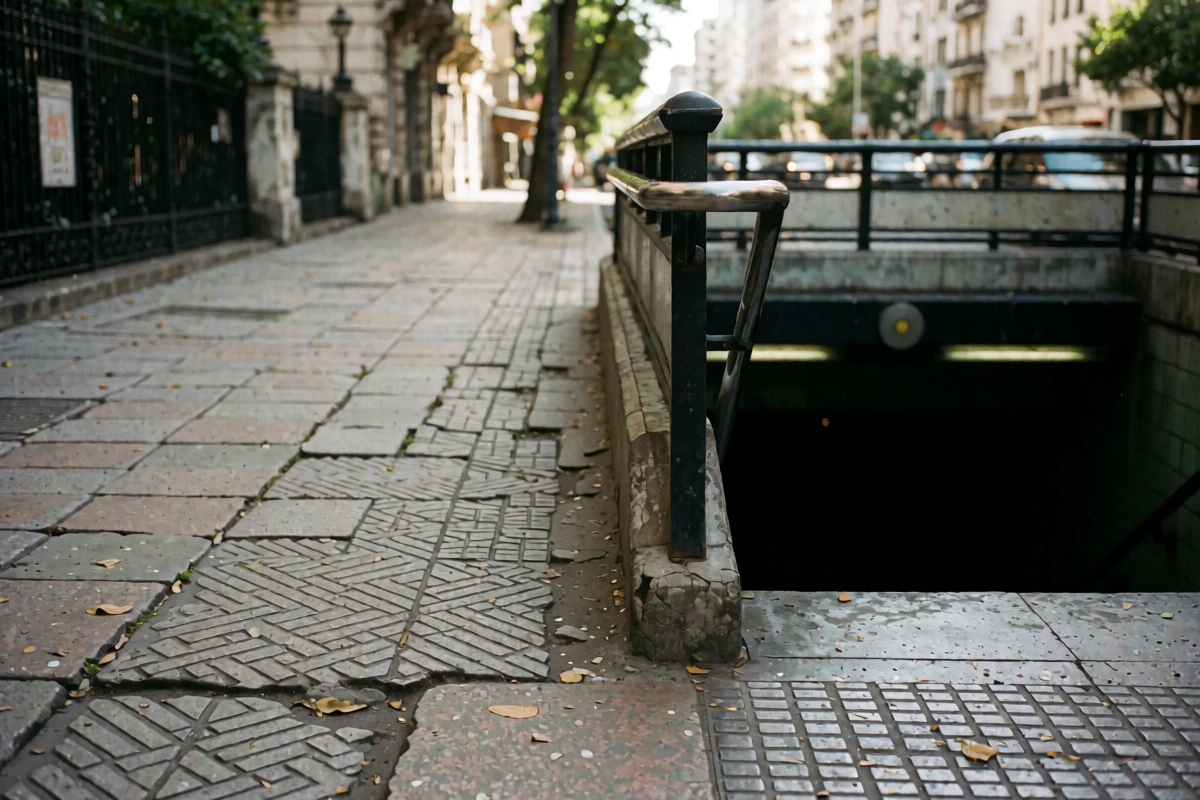
STEP is an optional State Department channel for Americans abroad. It can carry relevant messages and help officials reach you during a crisis; local emergency numbers and a household check-in plan still do their own jobs.
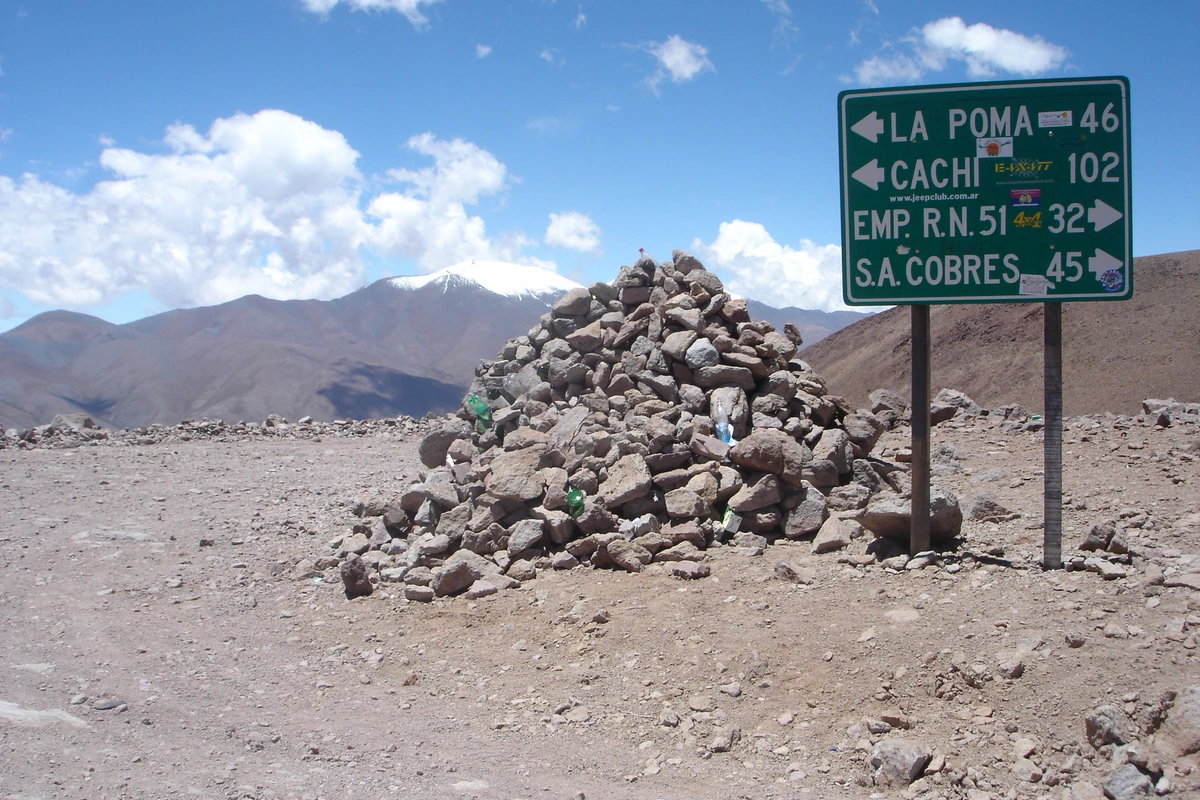
A car can reach a vineyard or Patagonian trailhead that transit cannot easily serve, but Buenos Aires parking can consume the advantage. Match the license, rental terms, toll system and daylight to the actual route.
A Buenos Aires base opens up Mendoza, Iguazú, the northwest and Patagonia, but each asks for different time and weather plans. Count usable days at the destination, then price the complete trip and its return.
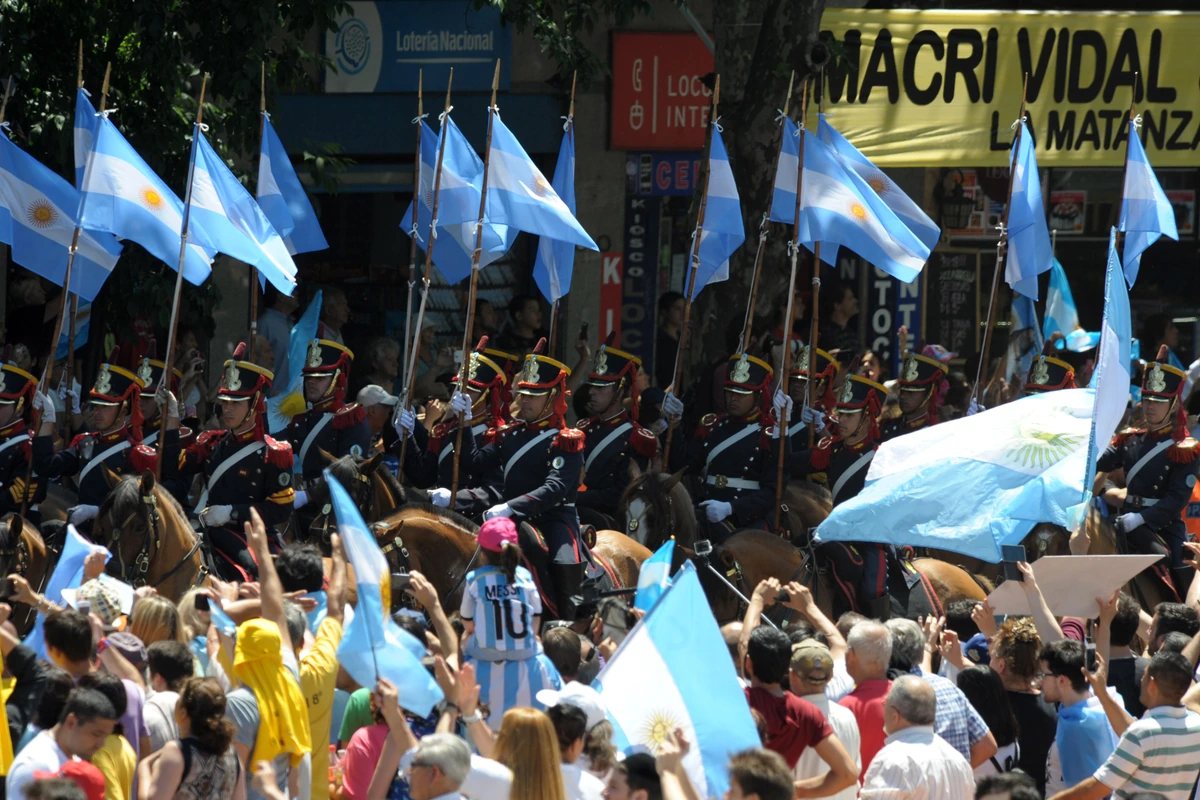
Argentina's national holidays, movable dates and tourism nonworking days can change bank hours, school routines and transport. The official calendar gives the date; the provider and employer determine what happens to your appointment or deadline.
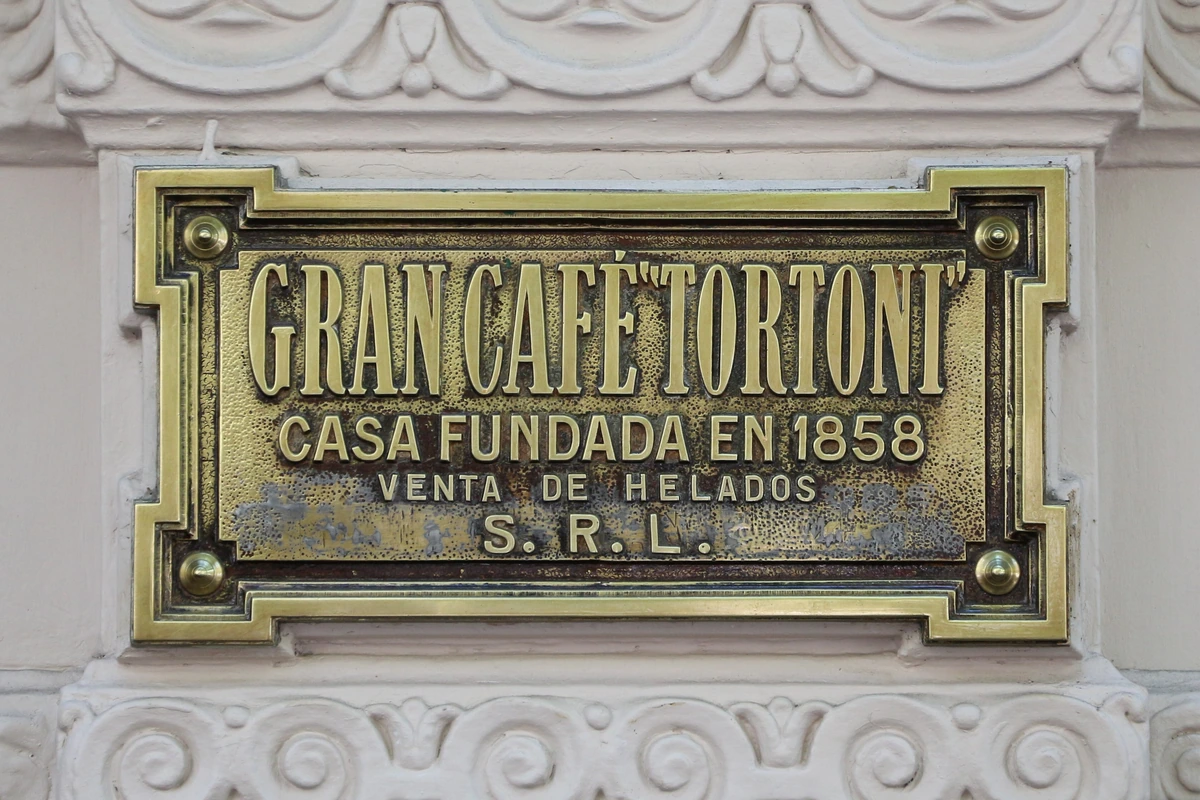
A warm first conversation needs somewhere to continue. Shared activities and relaxed, specific follow-up make that easier than waiting for a perfect invitation.
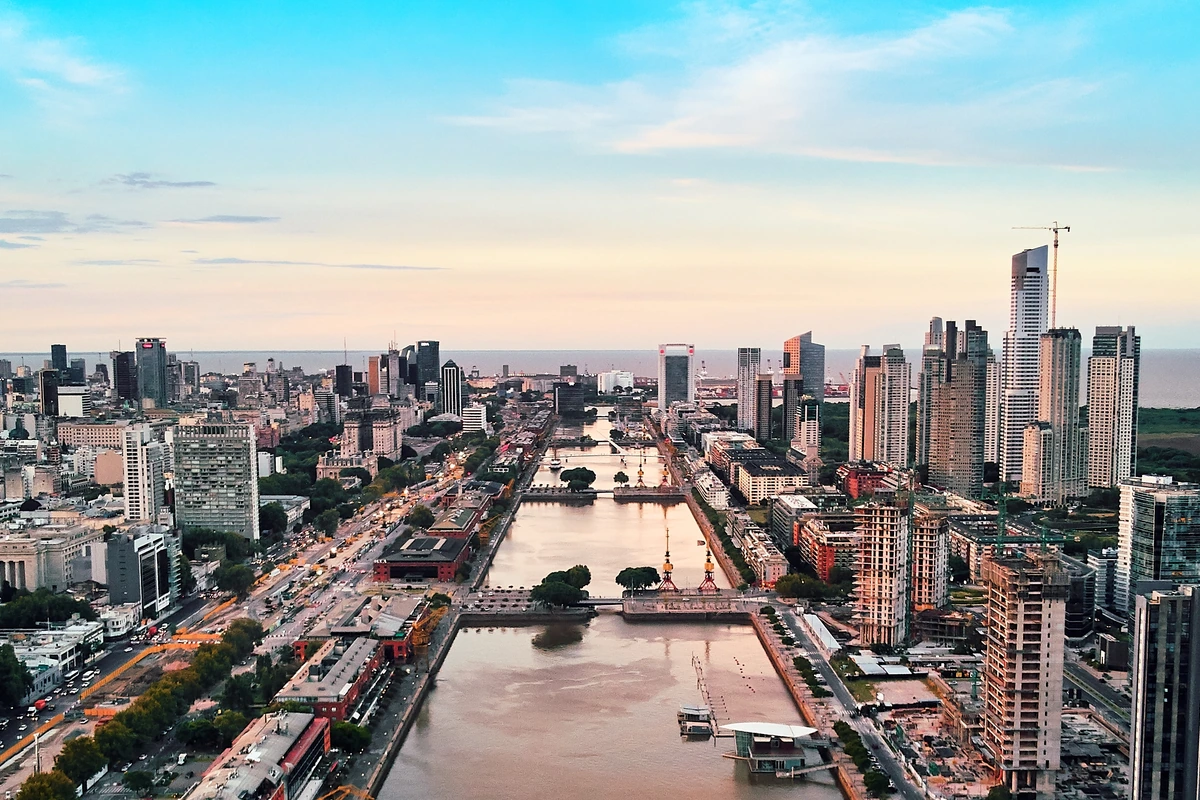
A club gives you a shared activity; volunteering adds a responsibility. Both work better when the role fits the time and Spanish you can actually offer.
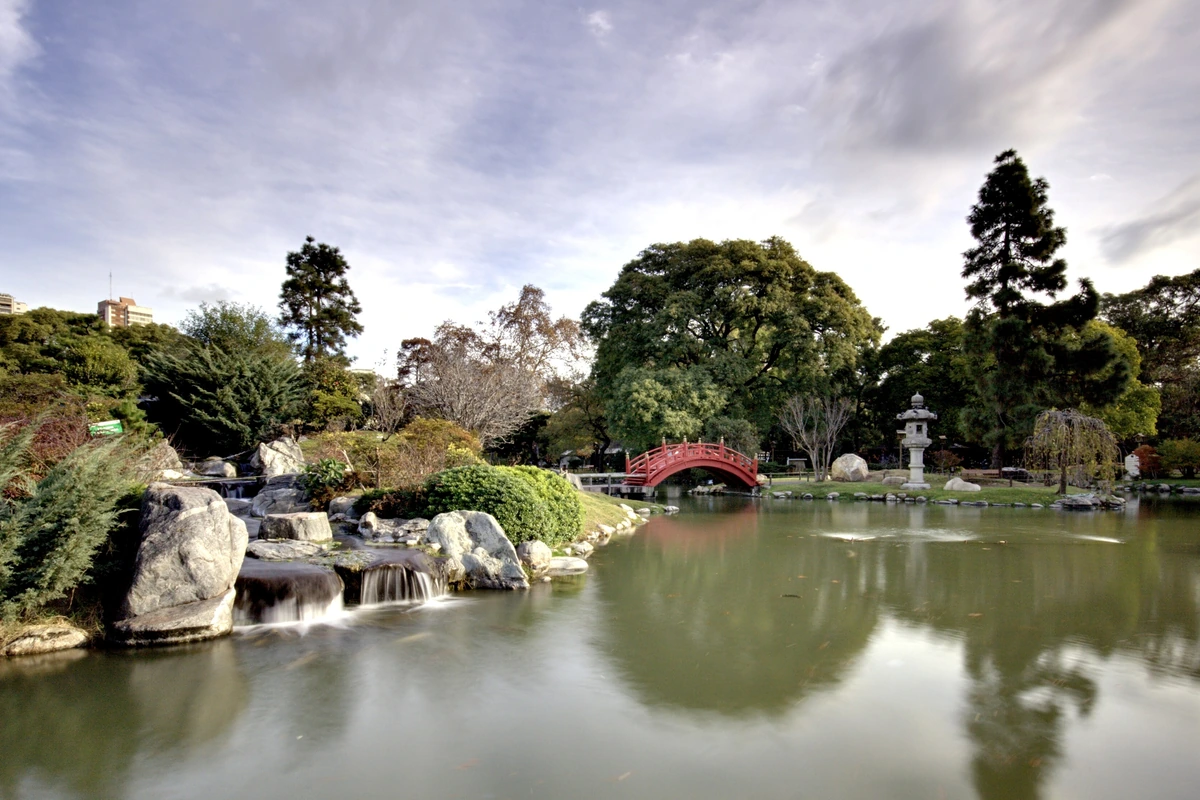
A busy social calendar and dependable support are different things. Keep connections at home, build local familiarity and identify qualified care before an urgent moment.
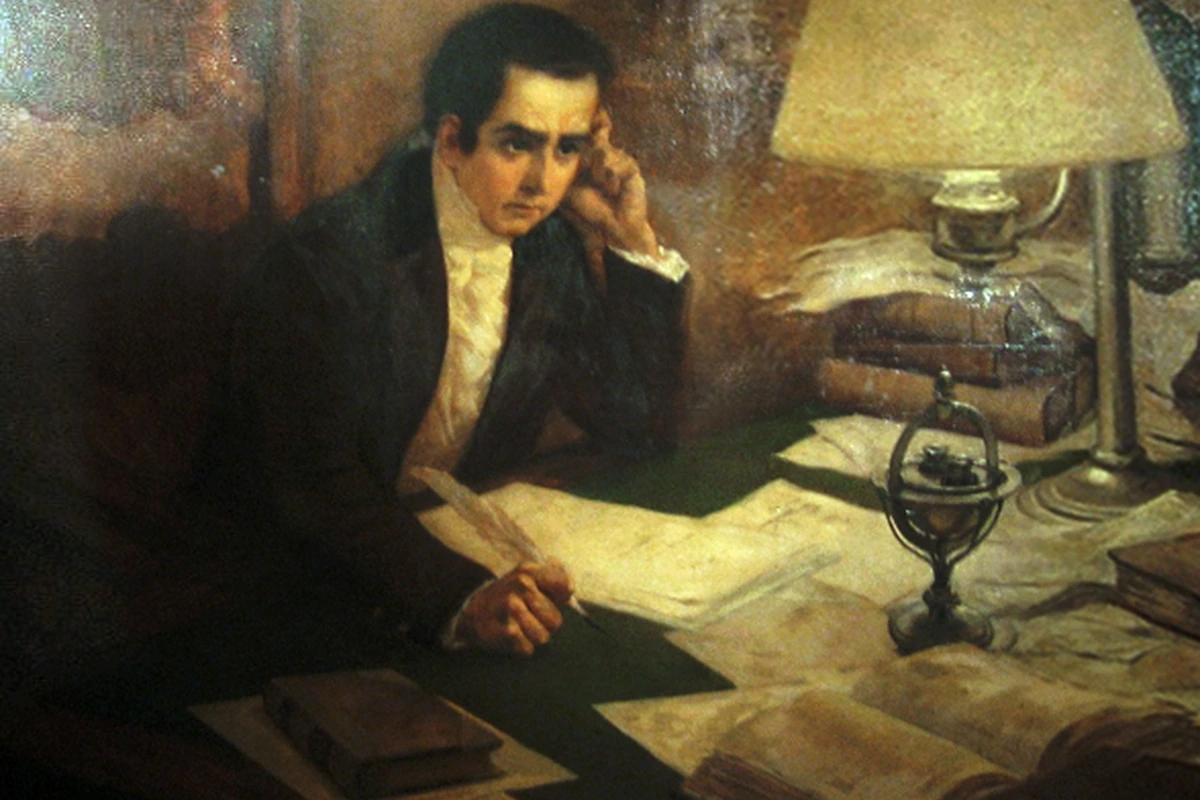
A reading room, a biblioteca popular and a cultural center offer different ways to learn and spend time locally. Start with what you want to do there.
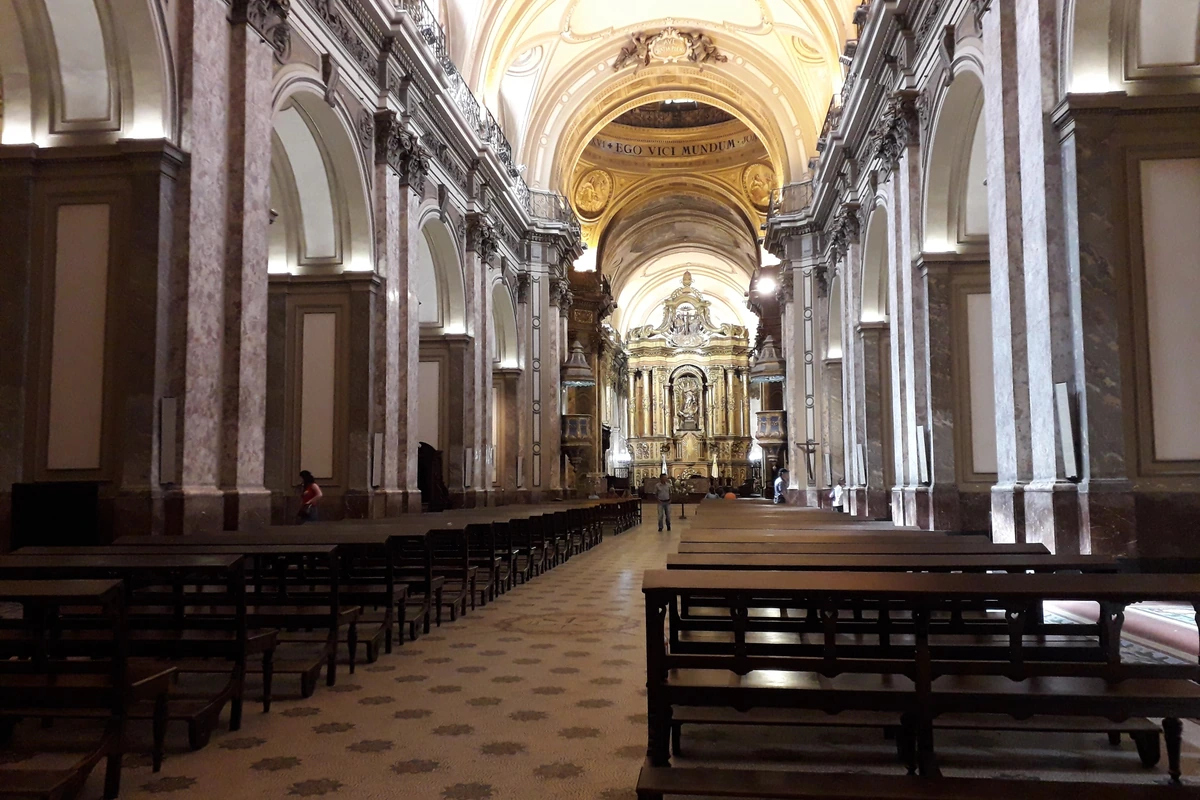
A familiar denomination or cultural label does not tell you how a local gathering works. Contact the host, understand the invitation and leave room to listen.
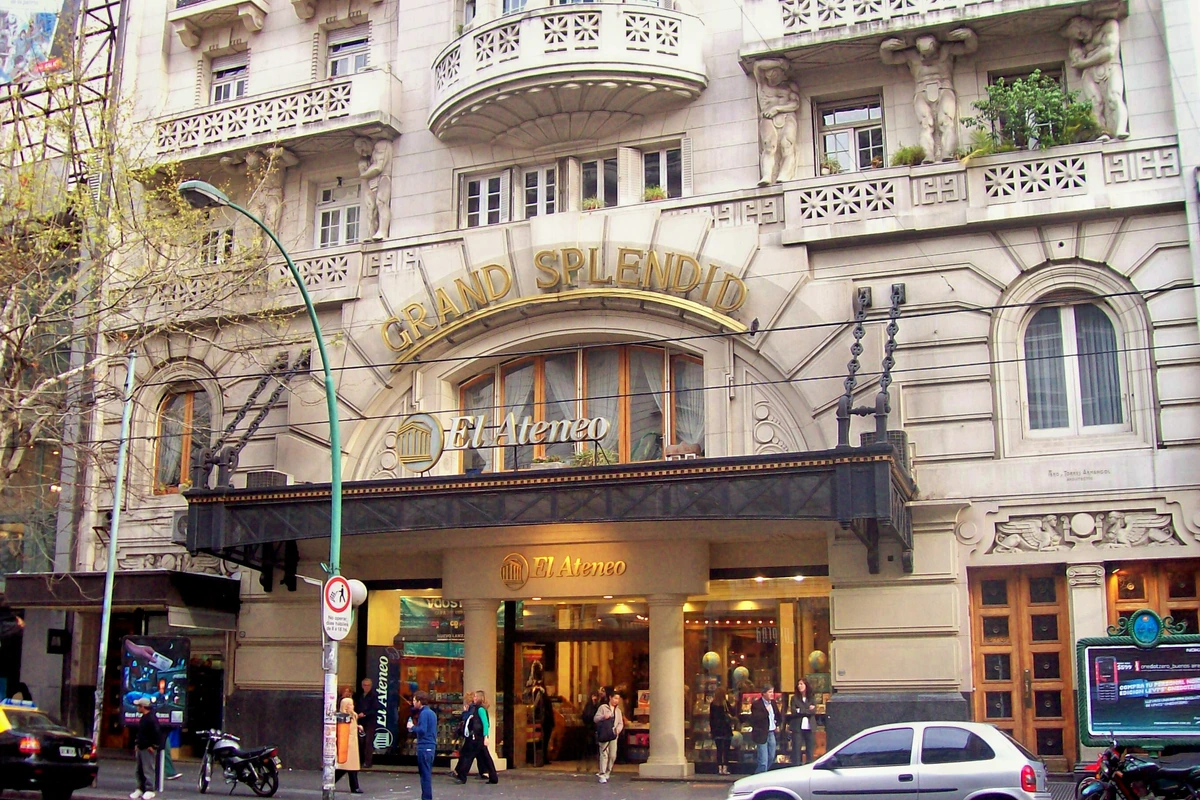
Your classroom Spanish still counts, even when the first reply escapes you. Train your ear around local forms and the conversations your own week will repeat.
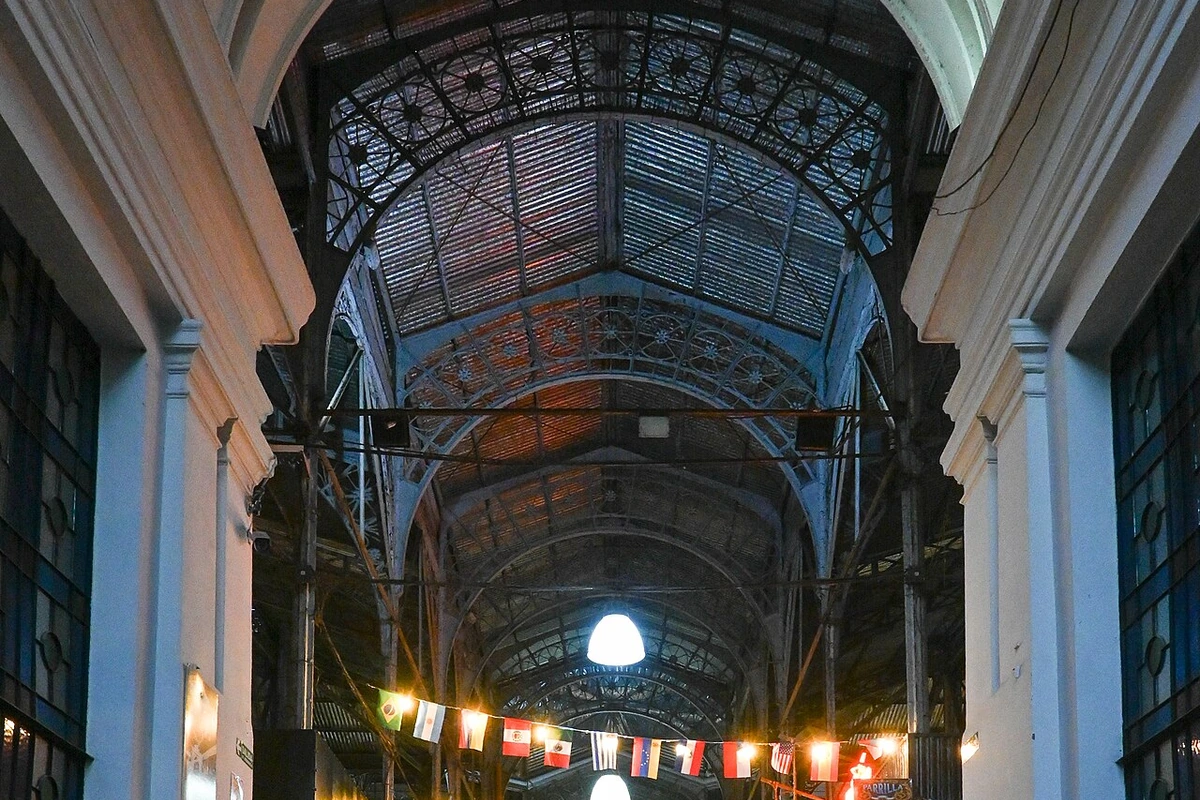
Mercado de San Telmo opens daily, Progreso and Belgrano Monday to Saturday, and growers sell direct at the agronomy faculty fair. Bring pesos for fair stalls.
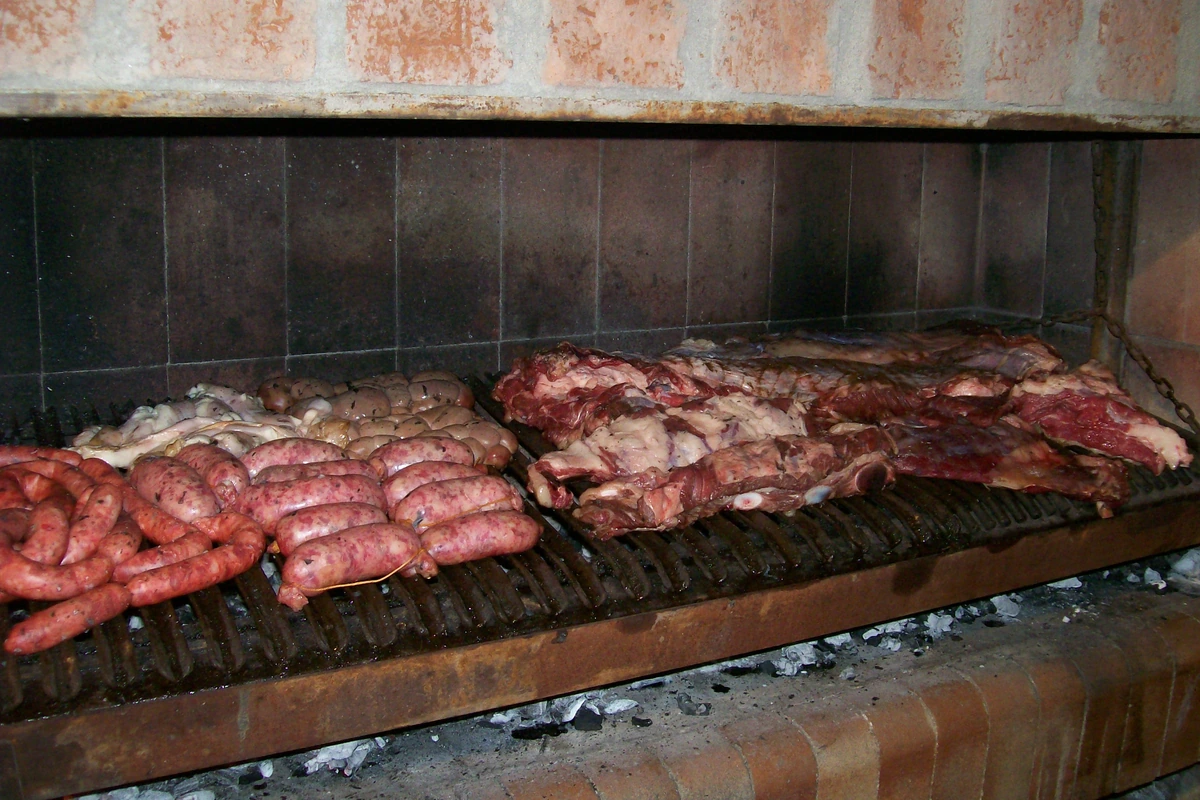
A family meal can begin with corn, river fish, goat, or orchard fruit. Use the region to guide your questions, then learn the preparation from its source.
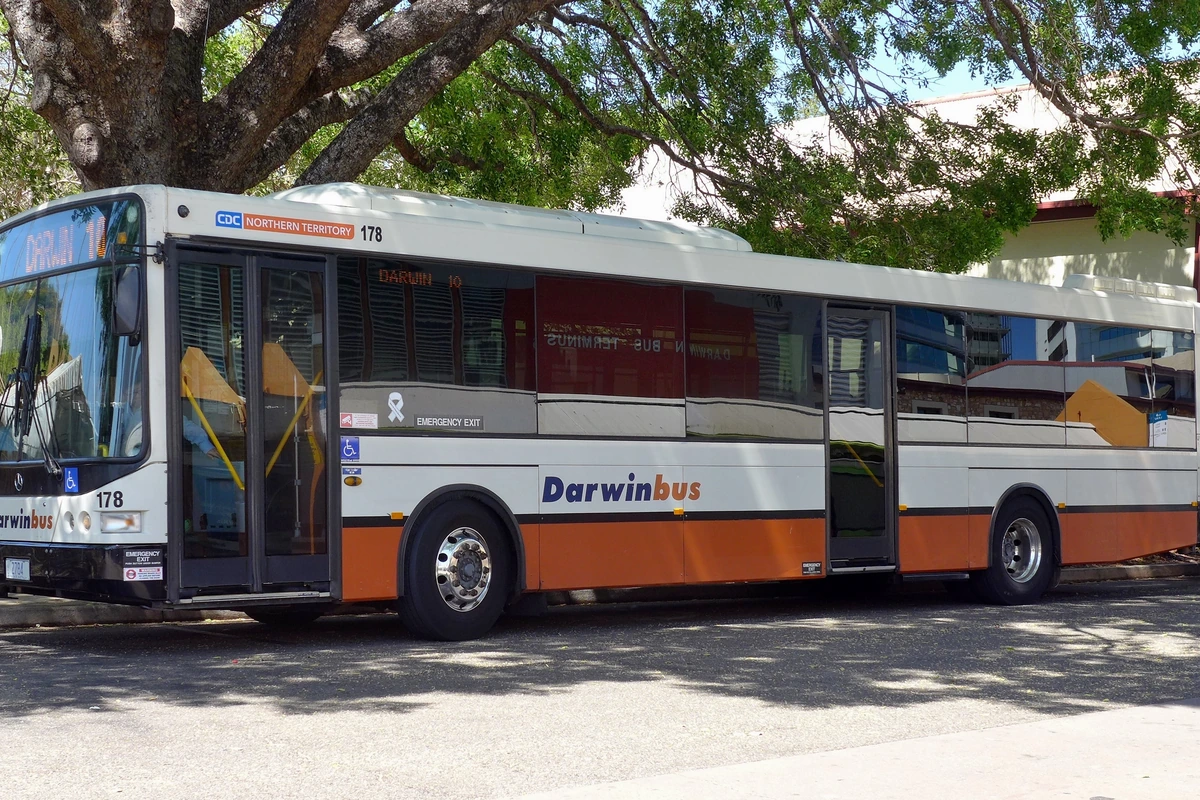
A lift may work while the sidewalk outside does not. Trace the whole journey against your own needs.
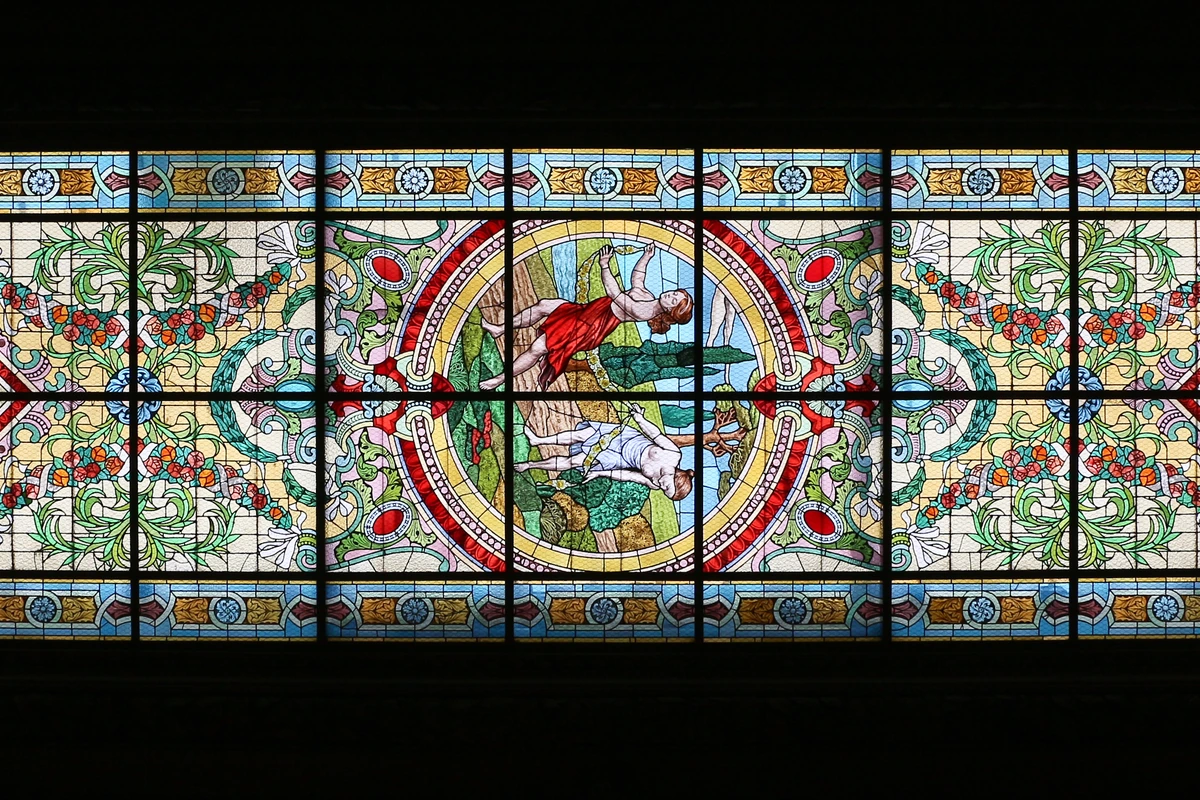
An afternoon with one exhibition can tell you more than a hurried circuit of museums.
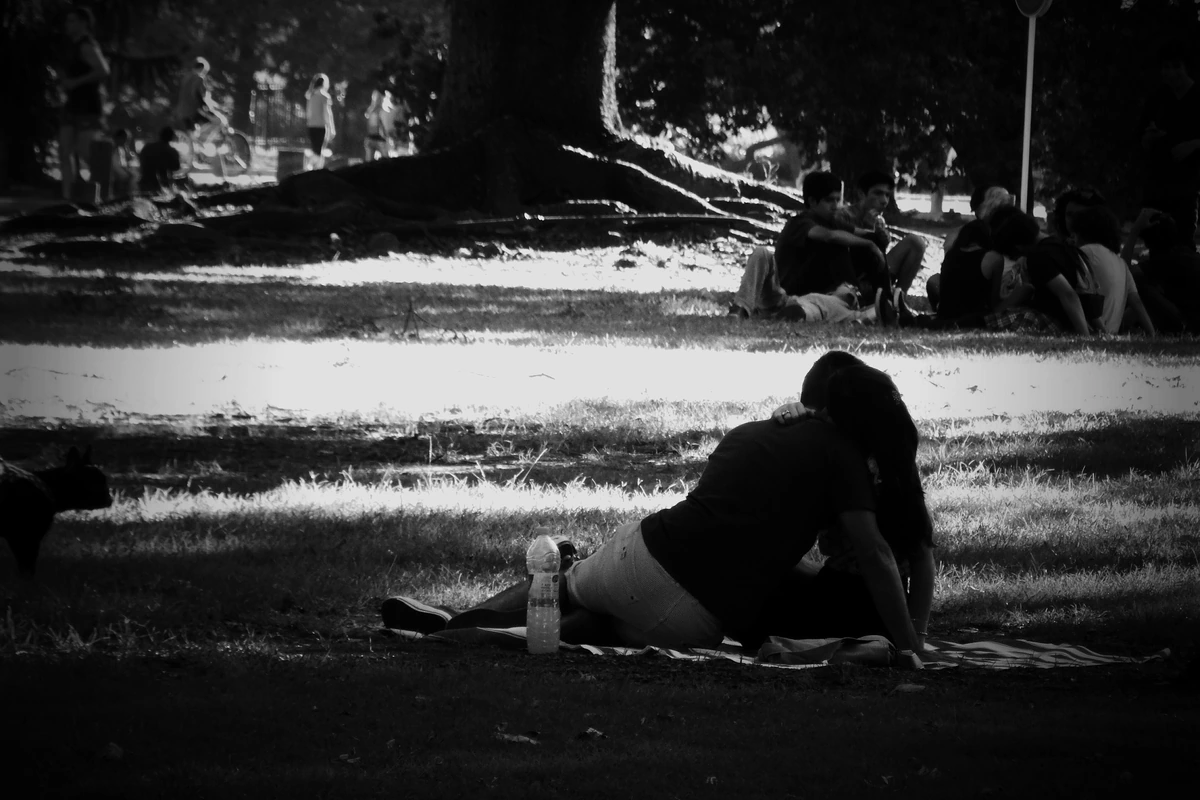
Distance alone says little about a bike ride; crossings, wind, surface, and the trip home set the pace.
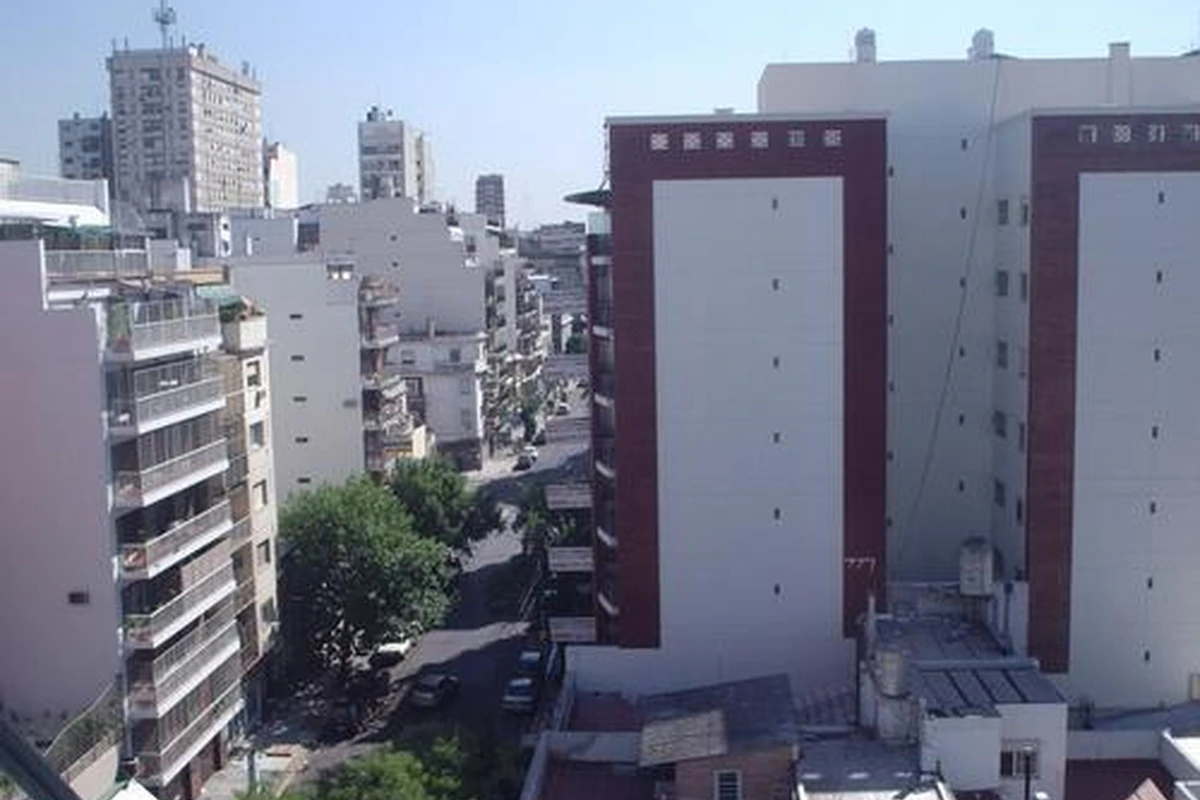
A barrio name opens the search; the building, block, and daily routes settle it.
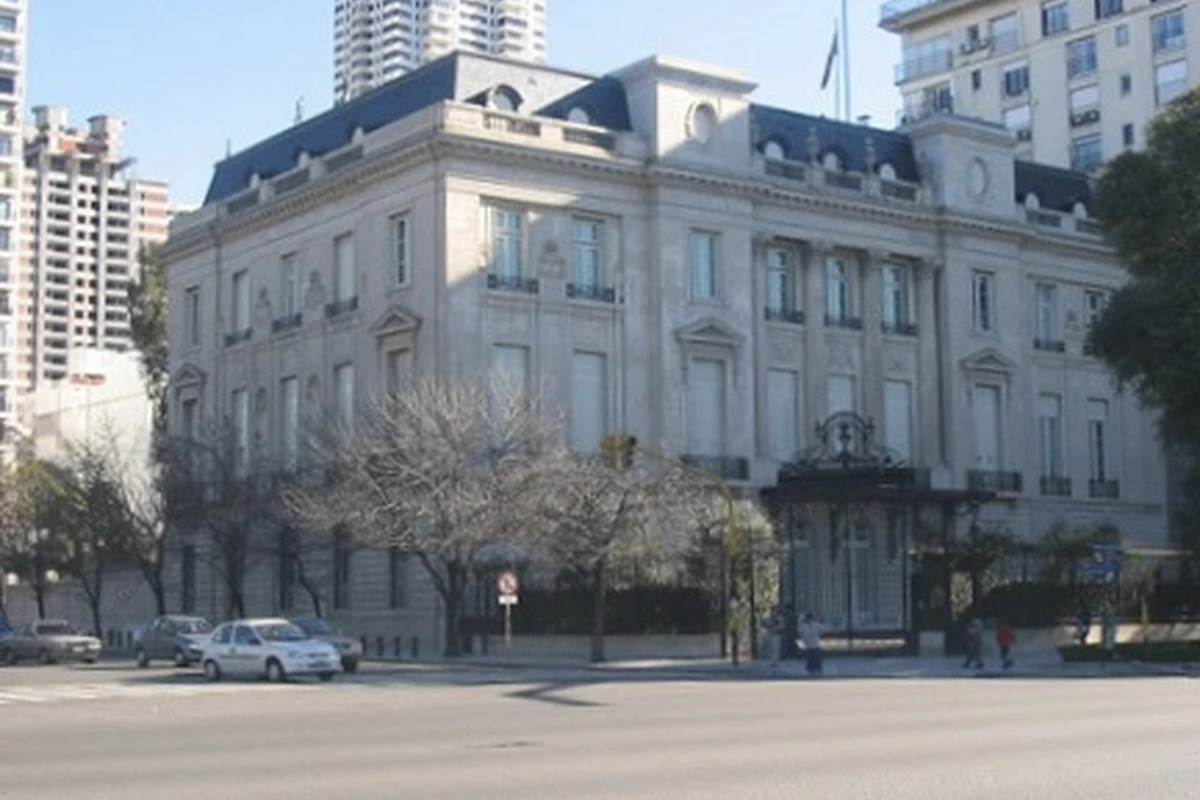
The 1823 recognition date begins the official chronology; a chamber, a school, and the embassy tell other parts of the story.

A forwarded event can lead to a good evening; a fellowship requires a current call and a different commitment.