 Americans in Argentina
How to move to Argentina from the US: 6 steps
A US passport gives you 90 days to enter visa-free and file for residence. Rentista or pensionado applicants need about US$1,250 in monthly income; the DNI comes after approval.
Find guides to residence, renting, health care and daily life, alongside the history of American institutions in Argentina.
Choose a topic, then narrow the guides by reader or location.
Showing 66 of 66 articles. Topic: All resources. Reader: Everyone. Location: Every location.
A US passport gives you 90 days to enter visa-free and file for residence. Rentista or pensionado applicants need about US$1,250 in monthly income; the DNI comes after approval.
A US passport gets 90 tourist days without a visa or AVE, with one 90-day extension available. A longer stay calls for residence through Migraciones.
No official count tracks US citizens living in Argentina. For those who stay, residence through Migraciones and continuing US tax filings shape life more than a tourist entry stamp.
Compare a furnished stay with a residential lease on total cost, then see whether the building, services and written responsibilities match the listing.
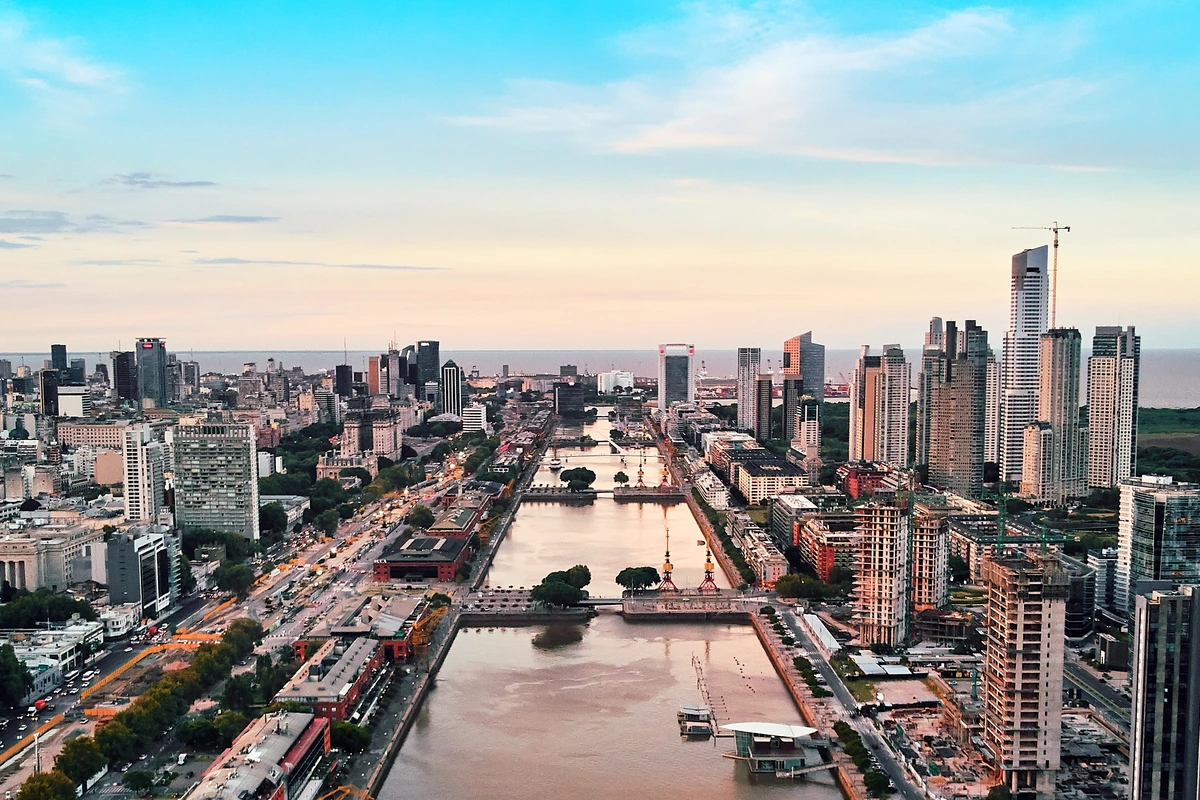
Palermo, Recoleta and Belgrano are common starting points, but no official map tracks American residents. Judge an address by its connections and the apartment behind its front door.
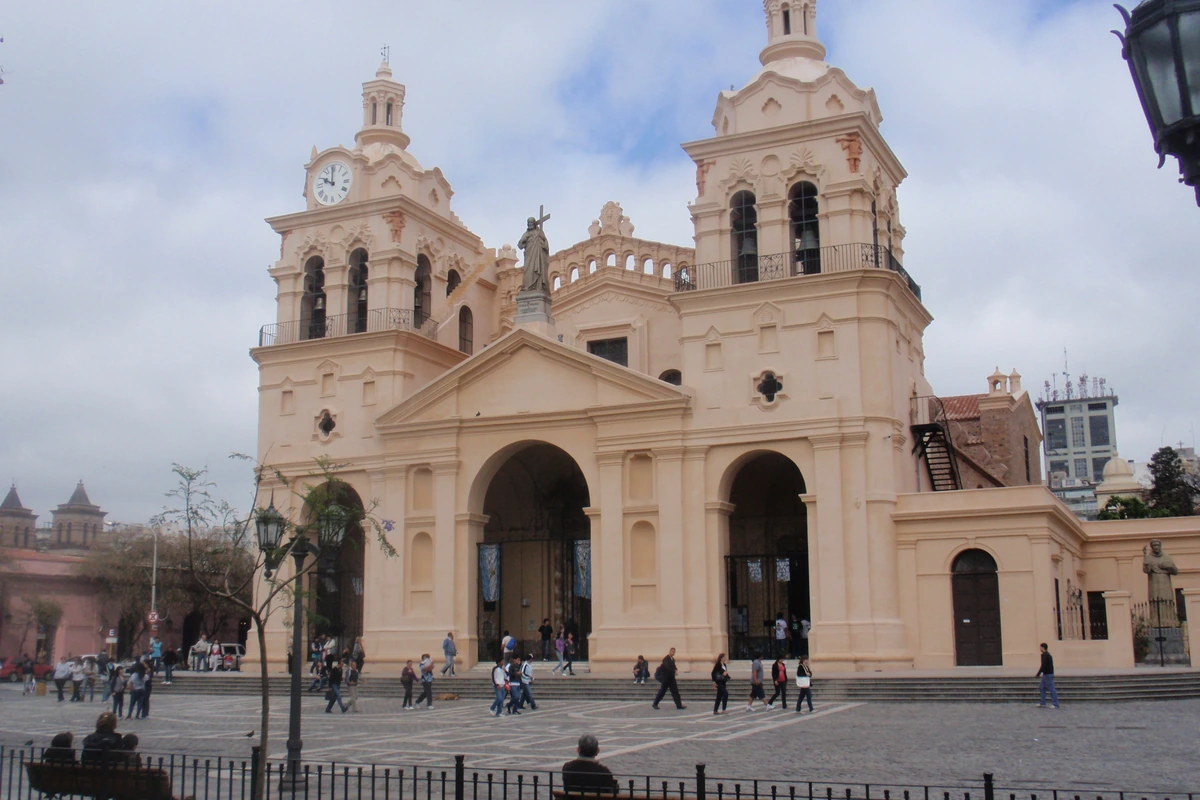
Buenos Aires has the widest choice of jobs, hospitals and US flights. Córdoba and Mendoza offer city services at 20–30% lower living costs; the other three suit more specific priorities.
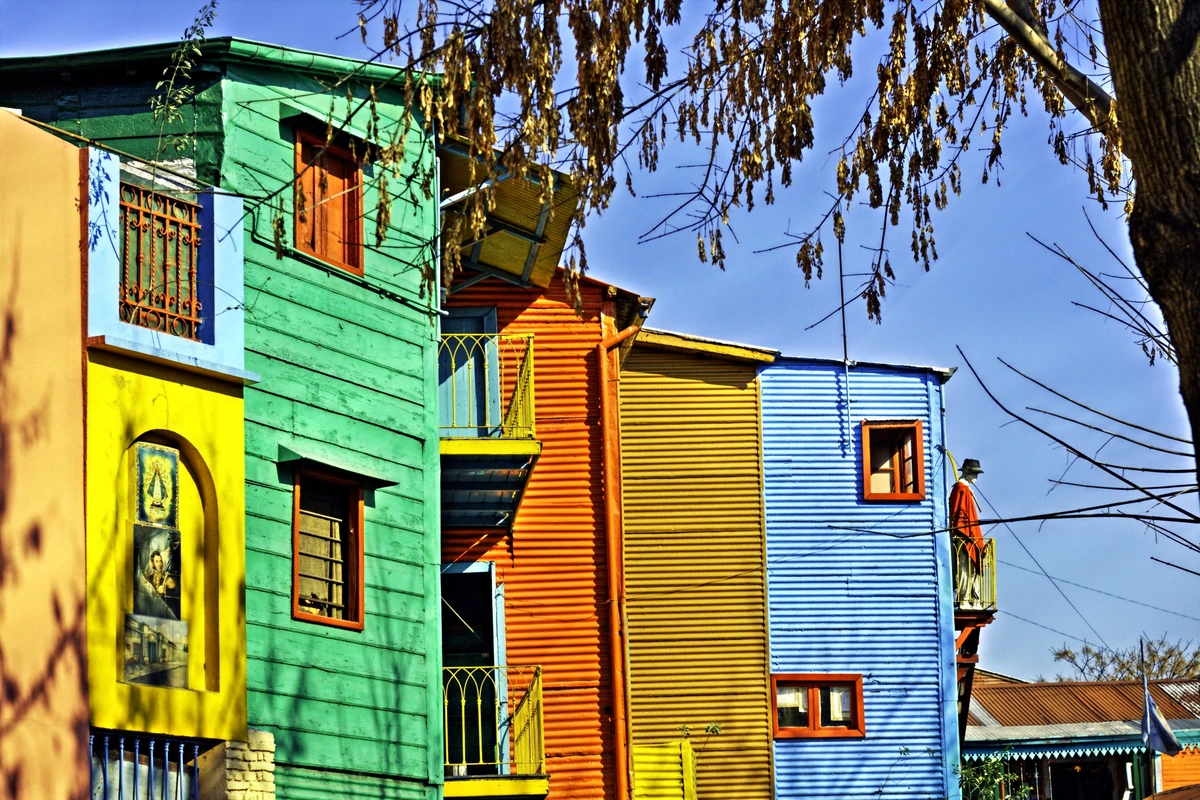
Six Buenos Aires barrios offer different starting points for a first home. Compare the exact streets, transport and rental terms rather than assuming a familiar name will fit.
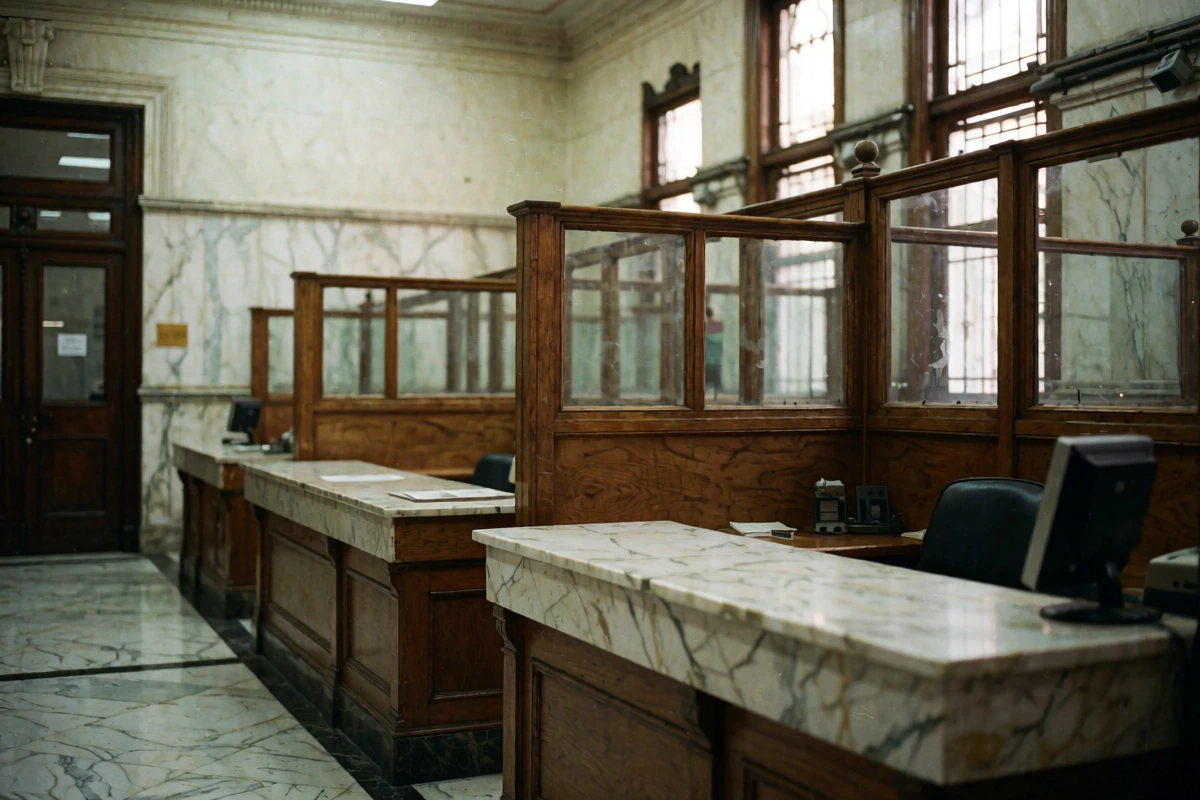
A US card covers most daily purchases; pesos cover the gaps. A local account becomes practical after your residence and DNI are in place.

The blue dollar is an informal cash rate that now sits near the official rate. For most daily spending, a no-foreign-transaction-fee US card charged in pesos is simpler.
Moving to Argentina can bring worldwide income within Argentine tax rules while US citizenship keeps US filing obligations in view. Residence dates and each income stream matter.
The old AFIP name still appears on paperwork, but ARCA now handles the same tax and customs work. Existing CUITs, passwords and filing records carried over.
Pensionado residence can fit a Social Security recipient with about US$1,250 in monthly pension income, but Buenos Aires living costs and health coverage require a larger budget.
A 401(k) or IRA can remain in the US after you move, but a withdrawal, rollover or Roth conversion may have different consequences in Argentina. Review the transaction before making it.
A useful family transfer is the number of pesos your relative can access after fees and conversion. The receiving method and the purpose of the payment shape the choice.
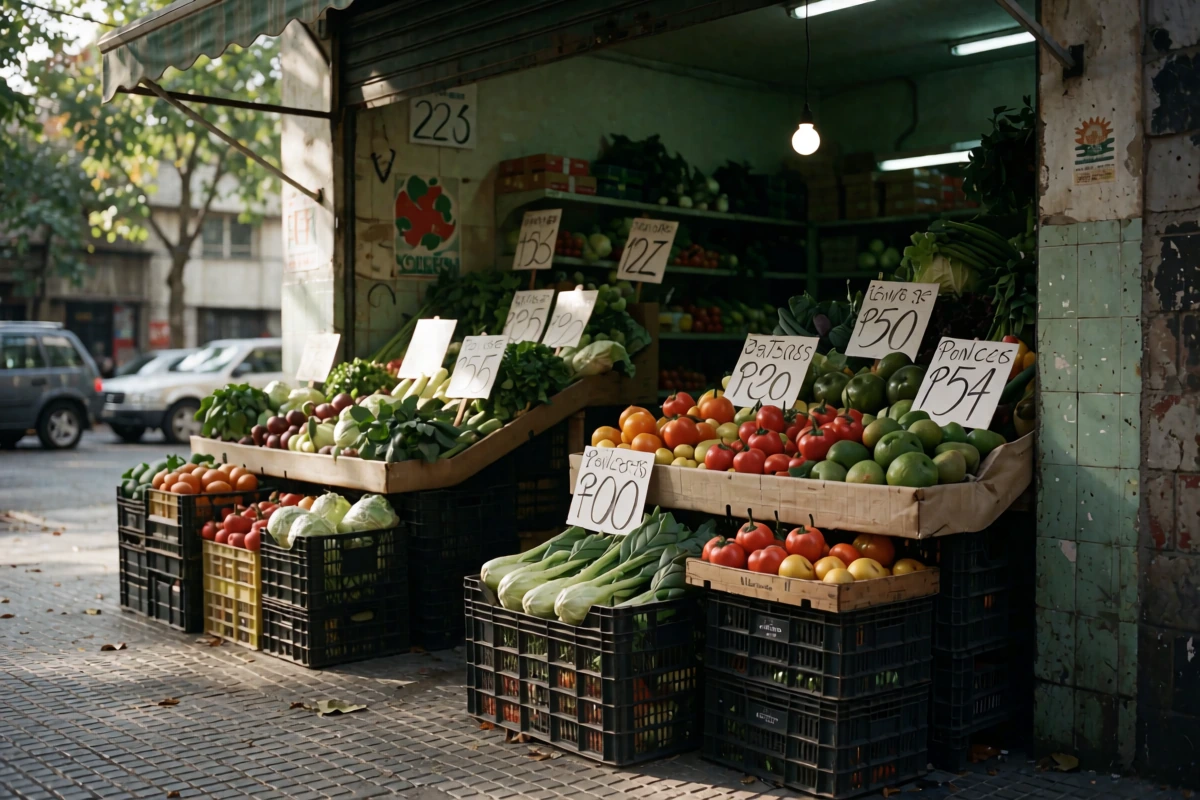
A single person in Buenos Aires can budget US$1,300–1,900 a month including rent as of September 2026. The apartment accounts for much of the difference between cities and neighborhoods.

Argentina's year-round time zone gives many remote workers overlap with US teams. A sustainable week depends on the hours you keep, the desk you can actually use, and a connection that has a fallback.
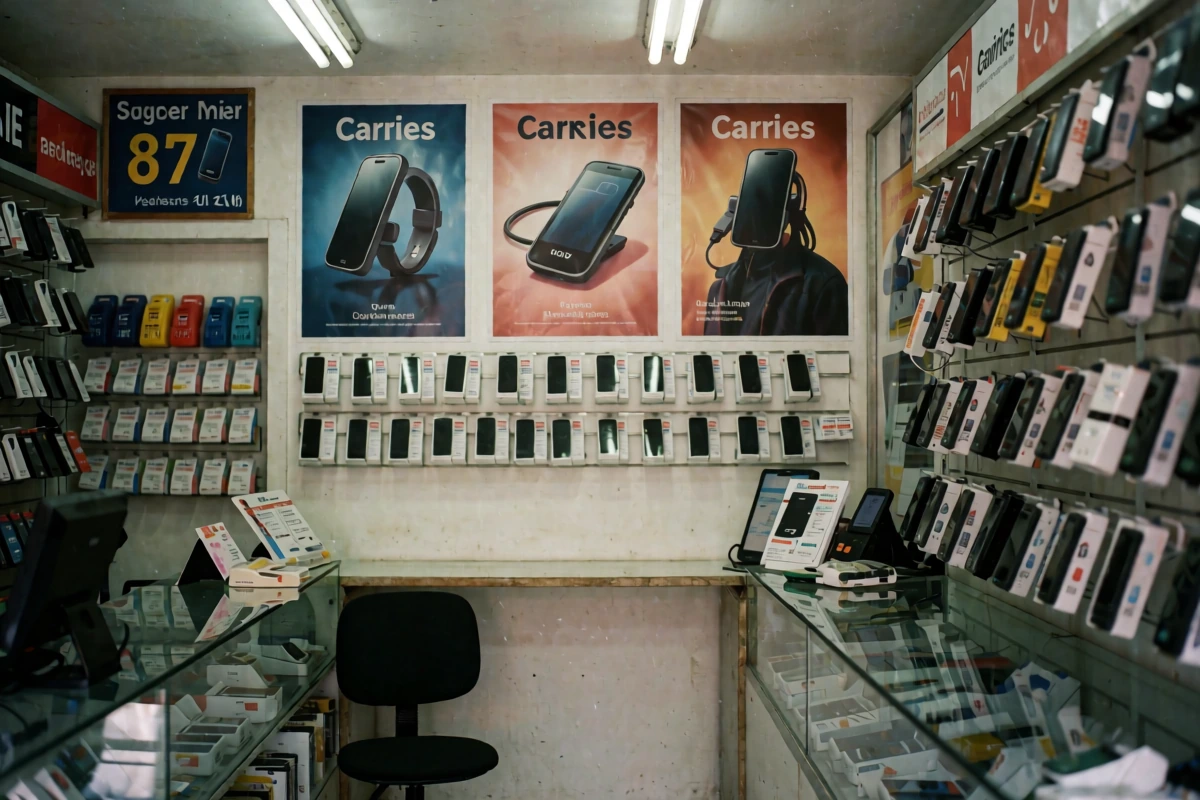
A local number makes calls and WhatsApp arrangements easier, while the US line may still receive account-recovery codes. Home internet depends on the exact apartment, with mobile data as a tested fallback.
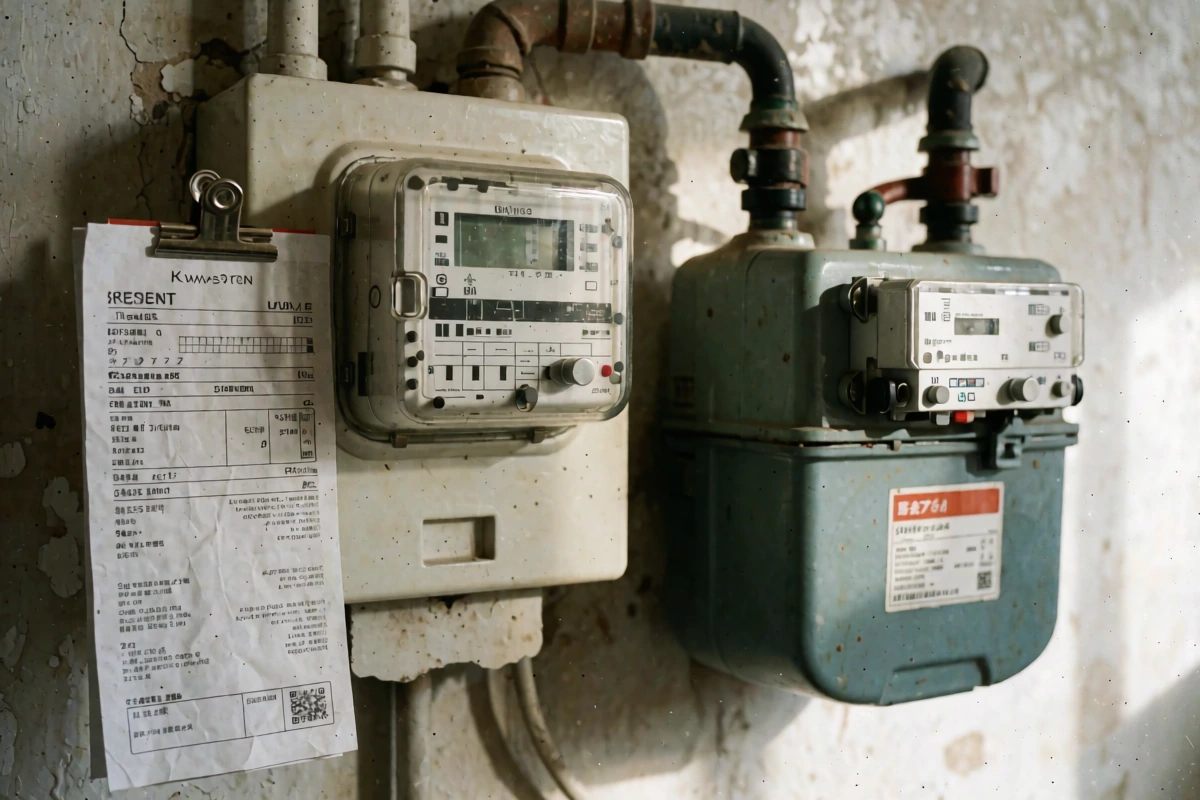
At an Argentine rental, utility accounts, building equipment and lease responsibilities may point to different people. The current bills establish the provider; the building contact explains what happens between the street and the apartment.
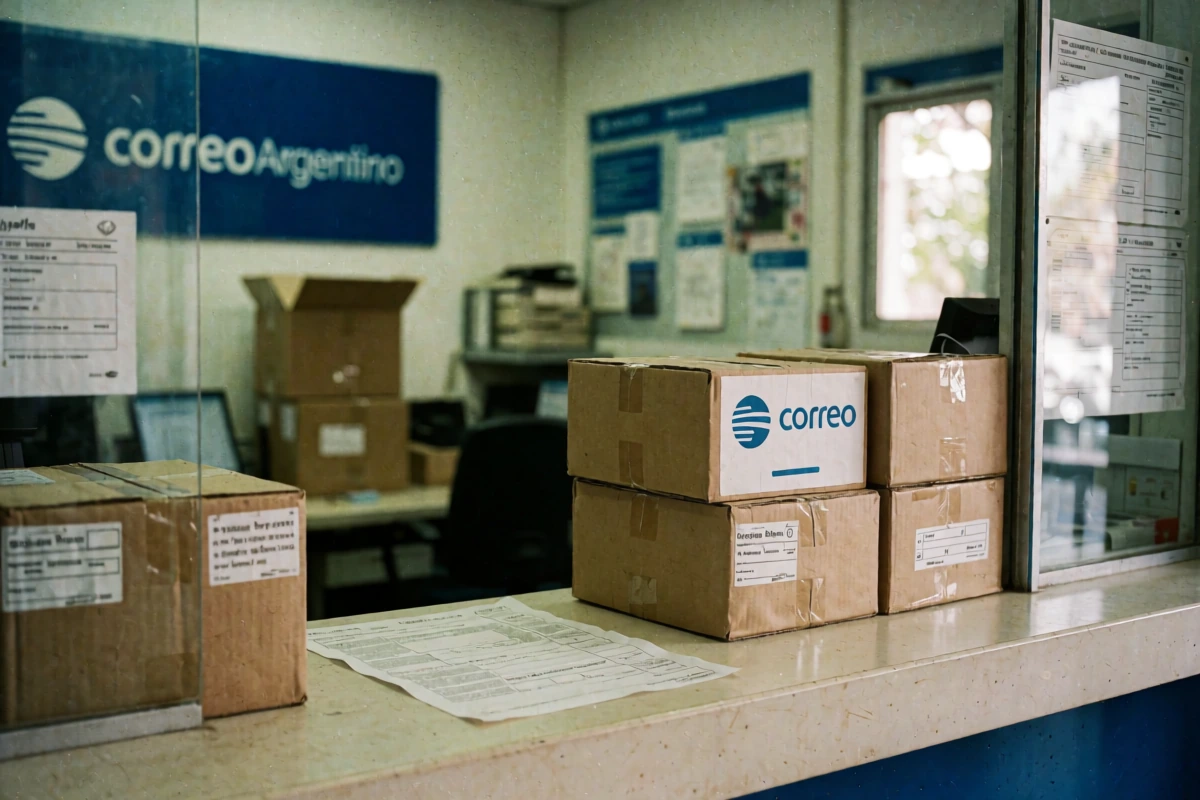
An American parcel needs more than international postage: the contents must fit the customs route, the address must identify the unit, and someone has to receive it. Postal and express services handle those steps differently.
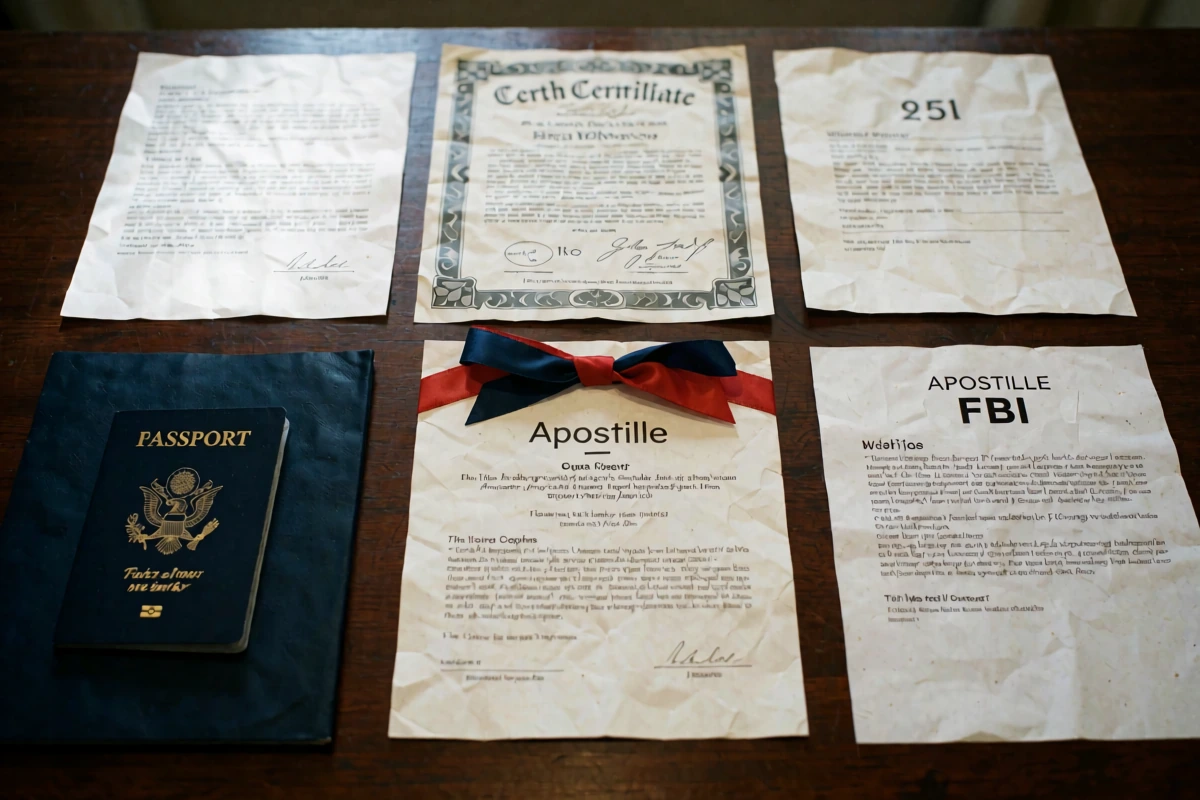
An American record may need a certified copy, an apostille, and a Spanish translation before an Argentine office can use it. The receiving office determines what belongs in the file.
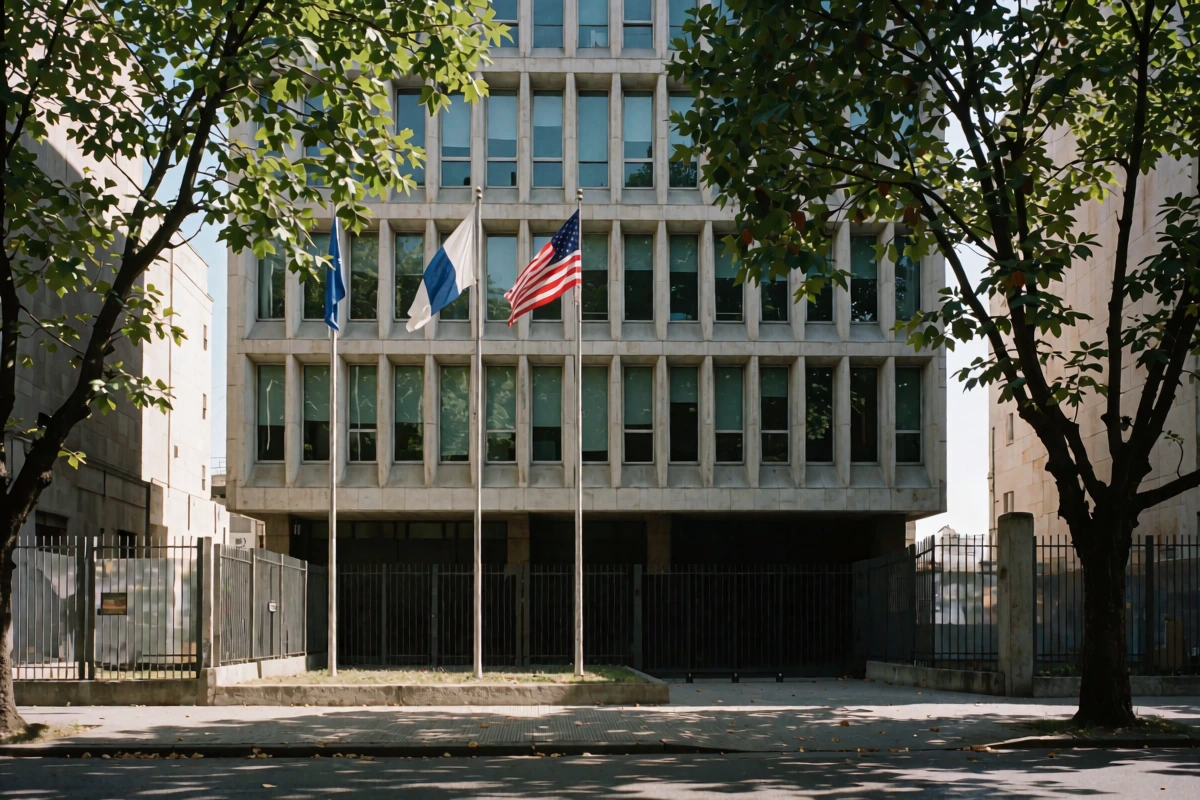
For a lost U.S. passport or a serious emergency, the embassy has a consular role. Local responders handle immediate danger, and Argentine authorities decide residence and legal matters.
A U.S. account can remain open while its security code goes to a number you lost after moving. Accurate addresses and independent recovery methods keep American ties usable from Argentina.
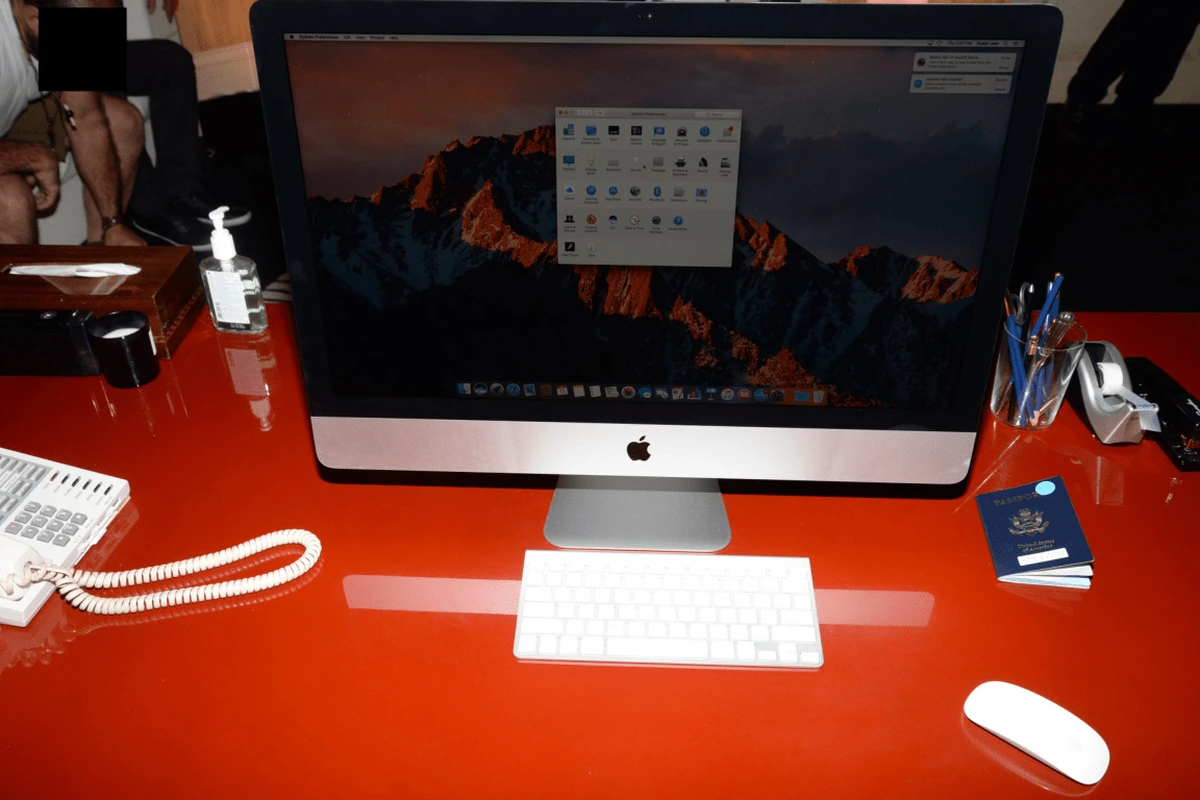
An adult renewal may follow DS-82, while a first passport, a lost document, or a child's application often calls for DS-11 and an appearance. Embassy instructions determine the route from Argentina.
The state tied to your voting residence sets the rules for requesting and returning a ballot. Email delivery of a blank ballot does not necessarily mean you can email a completed one back.
Two years of legal residence is a starting eligibility principle for Argentine naturalization, not a citizenship date. The applicable residence test and filing route need a current review.
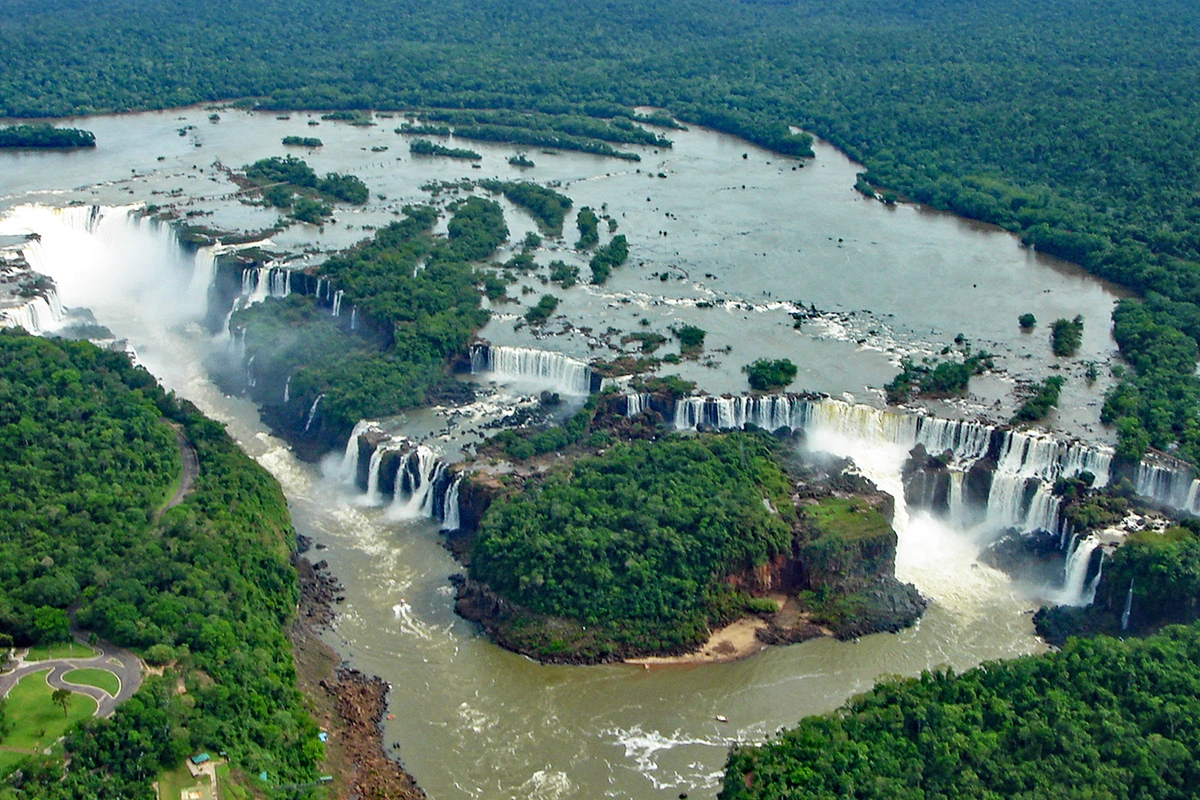
January in Buenos Aires averages a 30°C (86°F) high, while Ushuaia reaches only 14°C (57°F). Summer falls in December–February; altitude, rain and wind matter as much as the season.
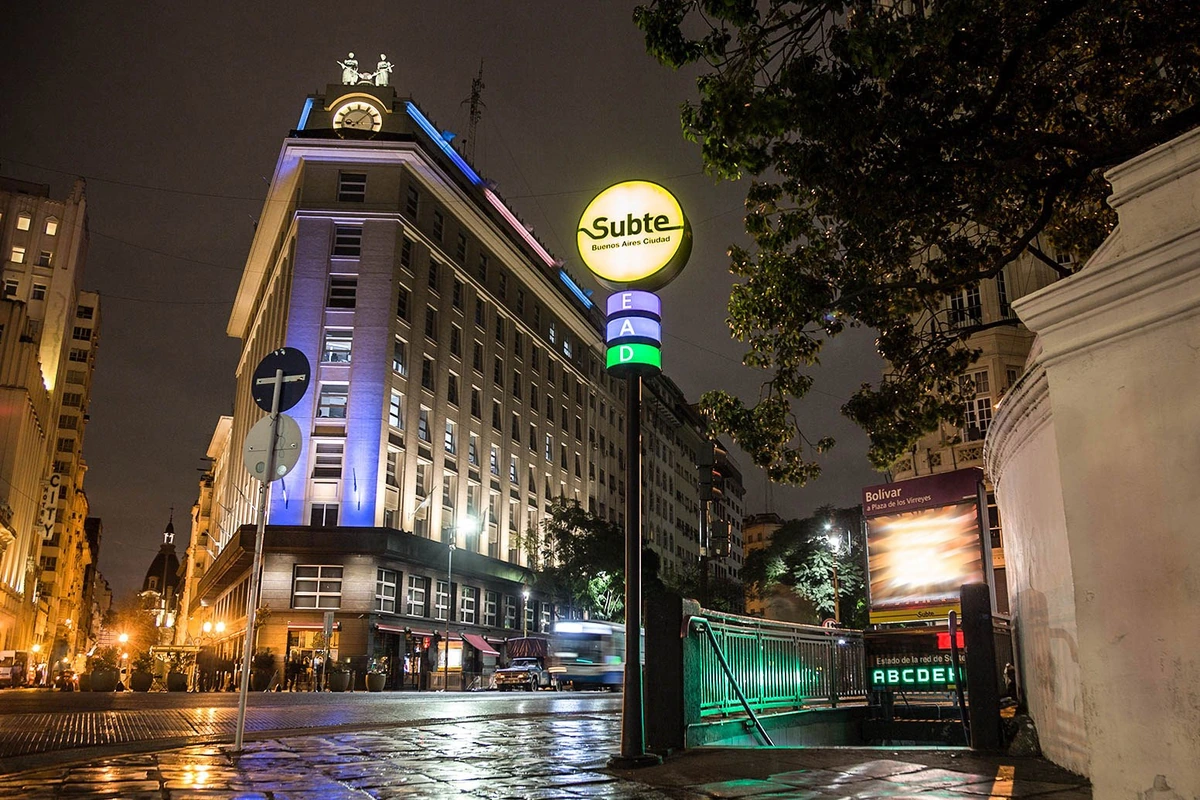
A colectivo number alone will not get you home: direction, branch and stop matter. SUBE covers eligible buses, Subte and metropolitan trains; test a complete trip from your door to your destination.
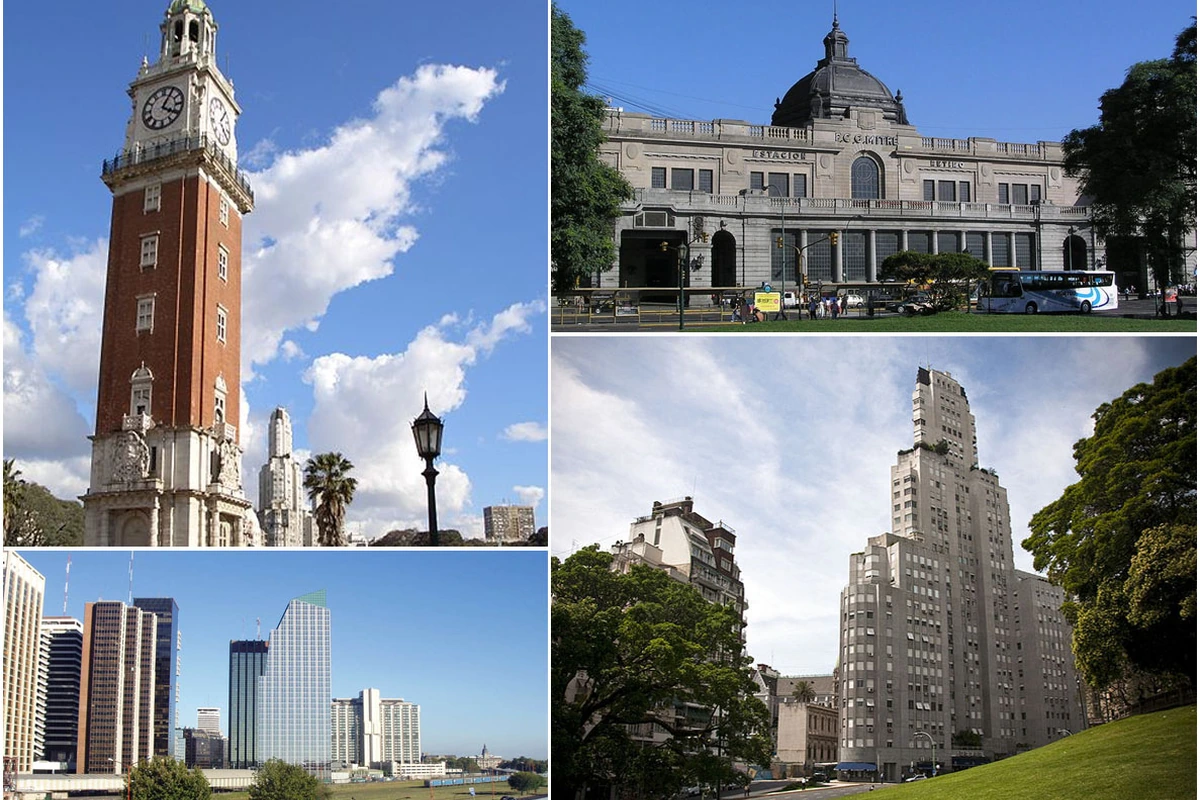
A flight to Patagonia may save a short stay; an overnight cama bus may save a hotel night. Compare departure and arrival doors, baggage, sleep and the local connection before choosing.
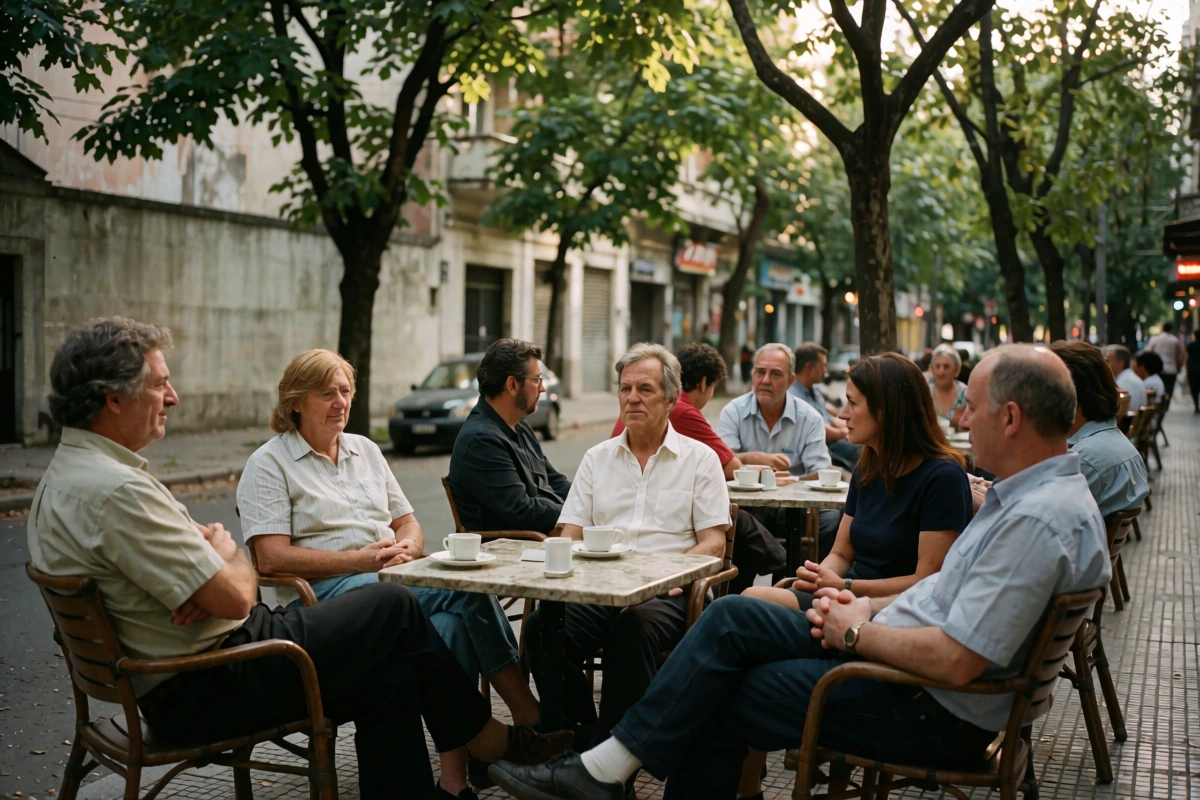
Keep a phone and bag close in crowds, know the route home at the hour you will travel, and keep contacts available without your main device. For police emergencies call 911; Buenos Aires SAME medical emergencies use 107.
STEP is an optional State Department channel for Americans abroad. It can carry relevant messages and help officials reach you during a crisis; local emergency numbers and a household check-in plan still do their own jobs.
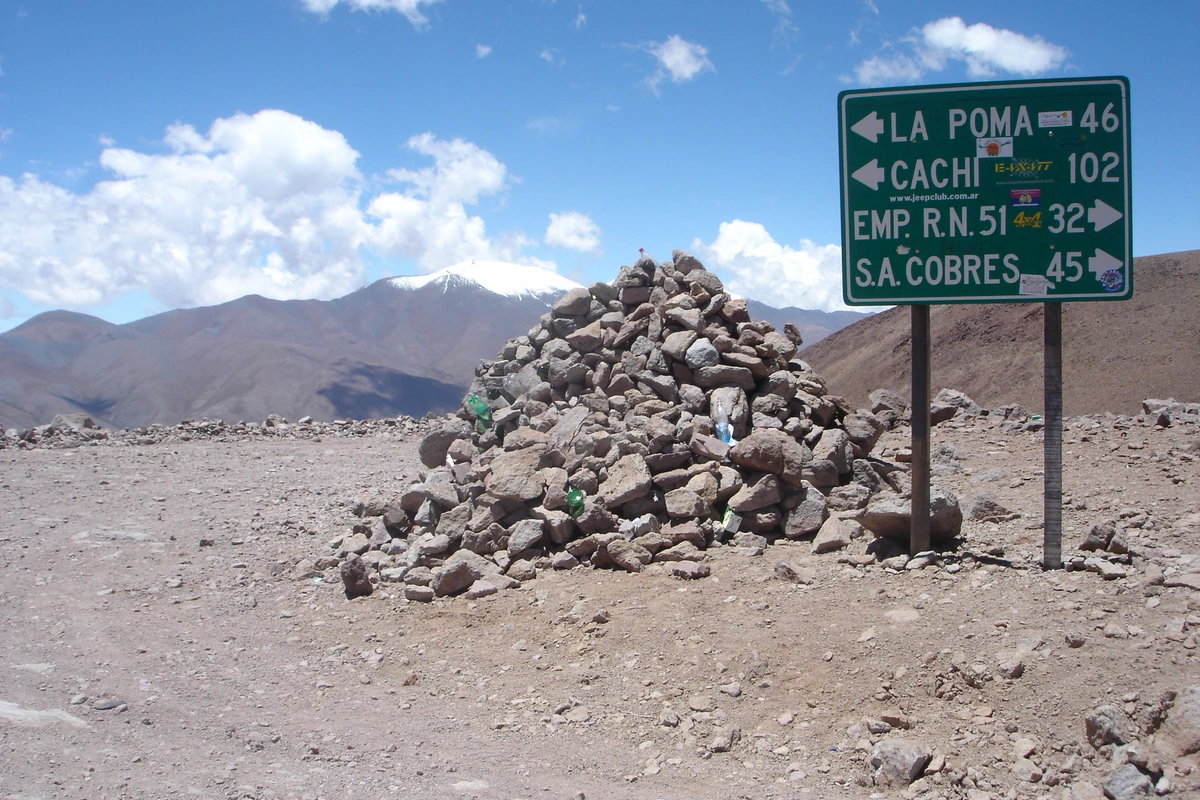
A car can reach a vineyard or Patagonian trailhead that transit cannot easily serve, but Buenos Aires parking can consume the advantage. Match the license, rental terms, toll system and daylight to the actual route.
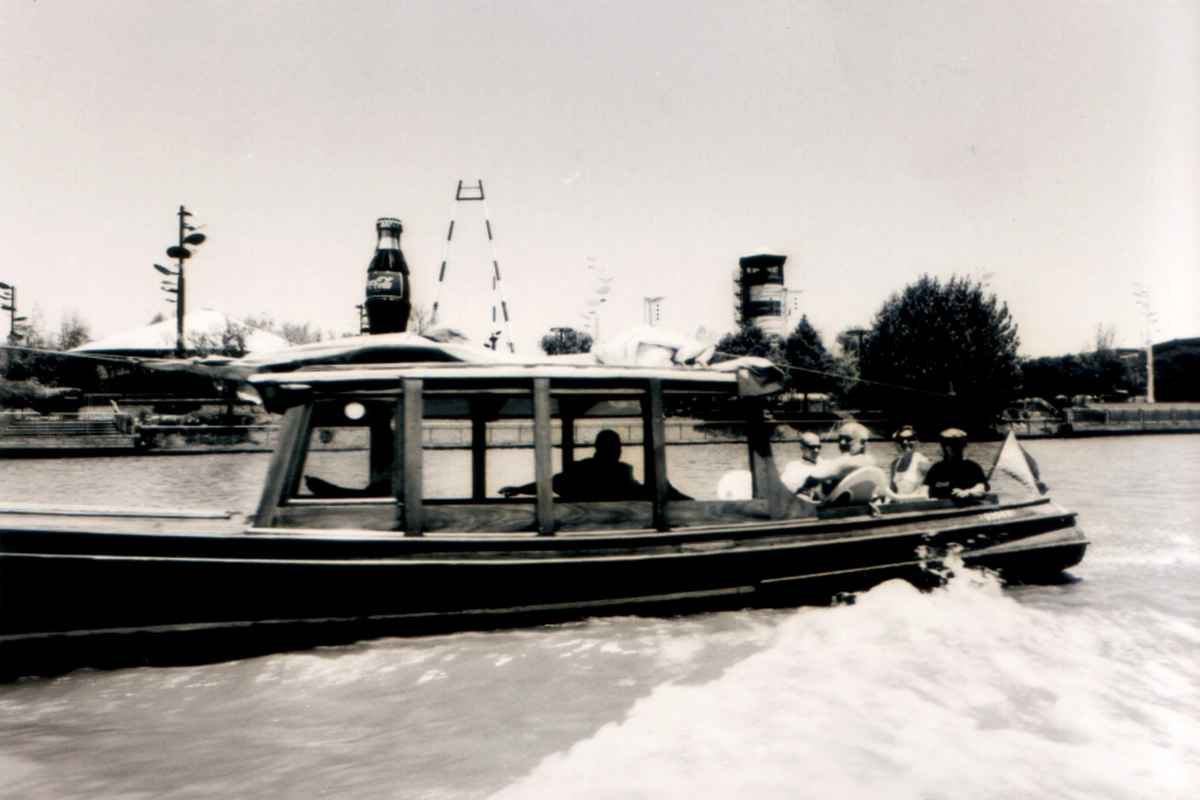
A Buenos Aires base opens up Mendoza, Iguazú, the northwest and Patagonia, but each asks for different time and weather plans. Count usable days at the destination, then price the complete trip and its return.
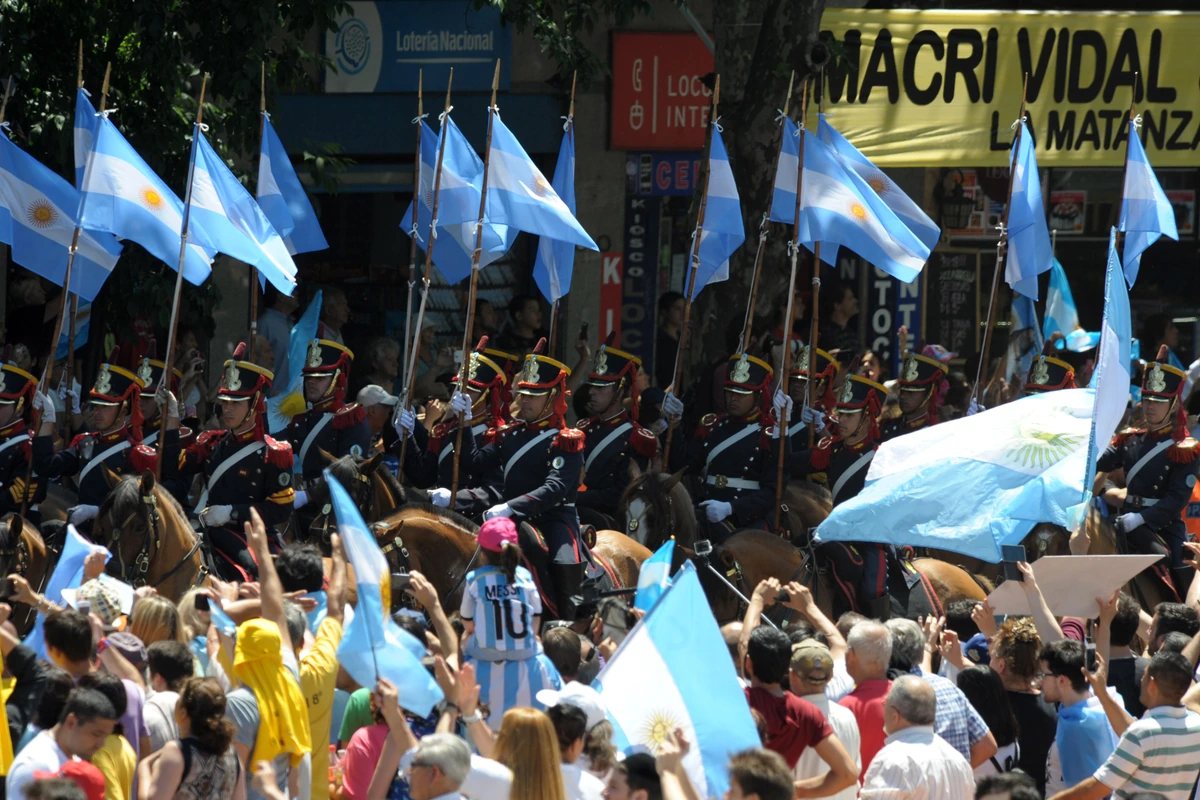
Argentina's national holidays, movable dates and tourism nonworking days can change bank hours, school routines and transport. The official calendar gives the date; the provider and employer determine what happens to your appointment or deadline.
A warm first conversation needs somewhere to continue. Shared activities and relaxed, specific follow-up make that easier than waiting for a perfect invitation.
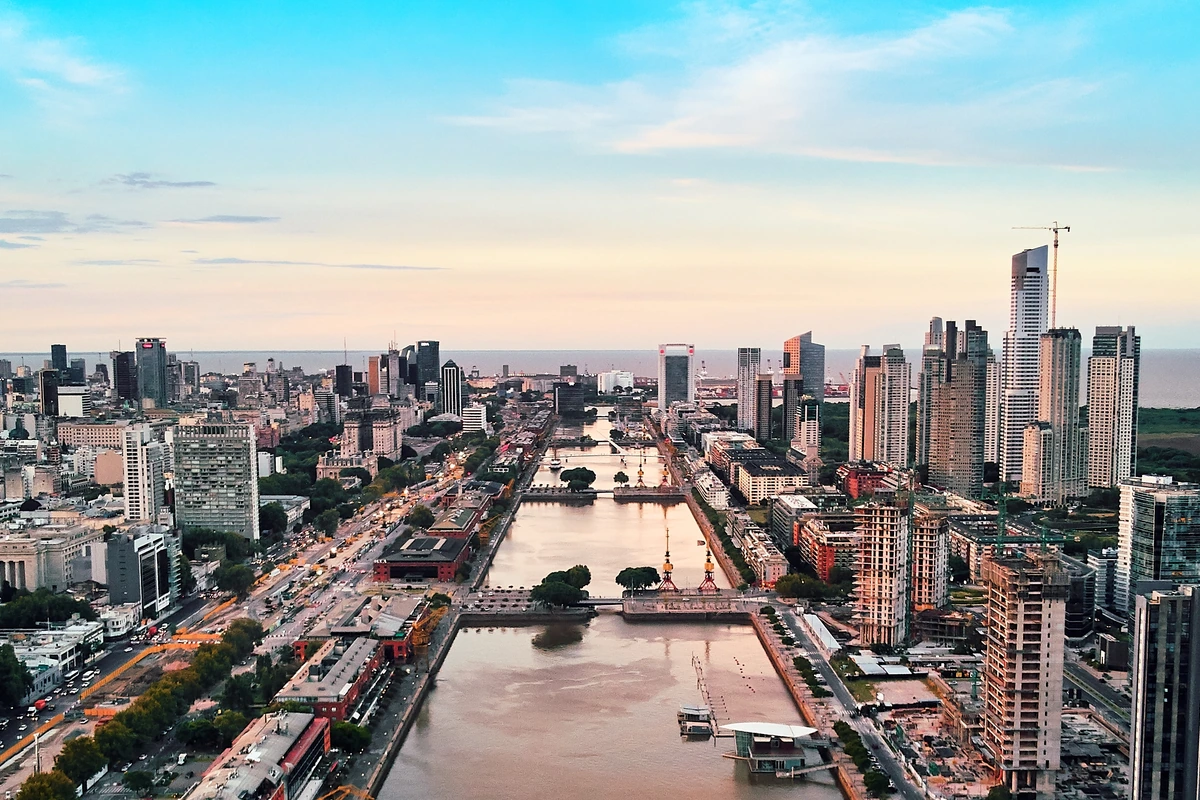
A club gives you a shared activity; volunteering adds a responsibility. Both work better when the role fits the time and Spanish you can actually offer.
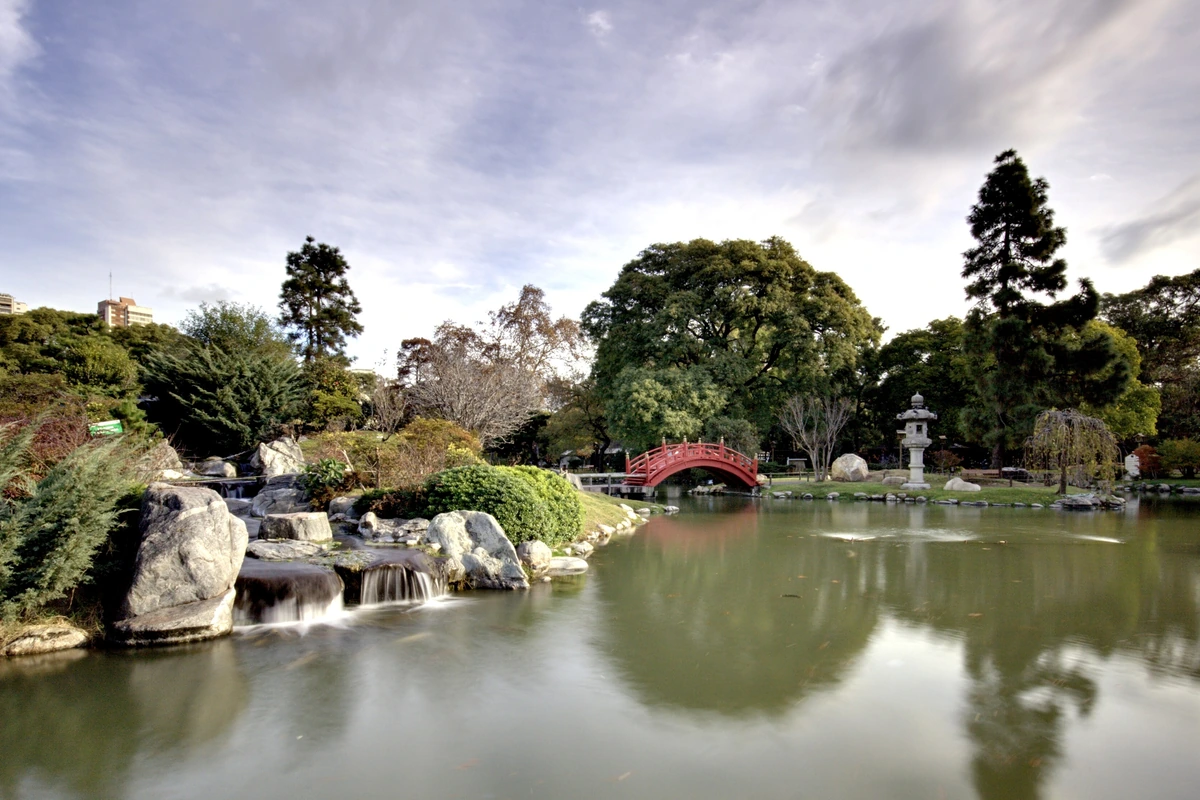
A busy social calendar and dependable support are different things. Keep connections at home, build local familiarity and identify qualified care before an urgent moment.
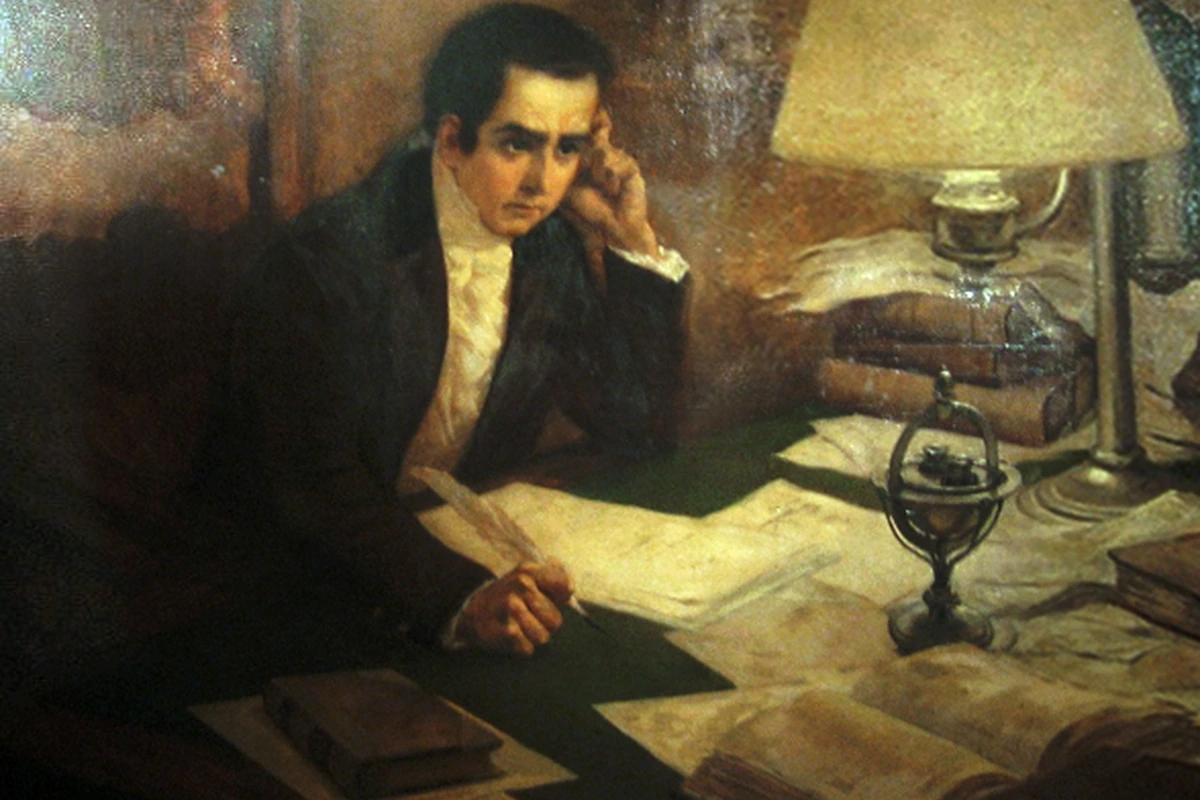
A reading room, a biblioteca popular and a cultural center offer different ways to learn and spend time locally. Start with what you want to do there.
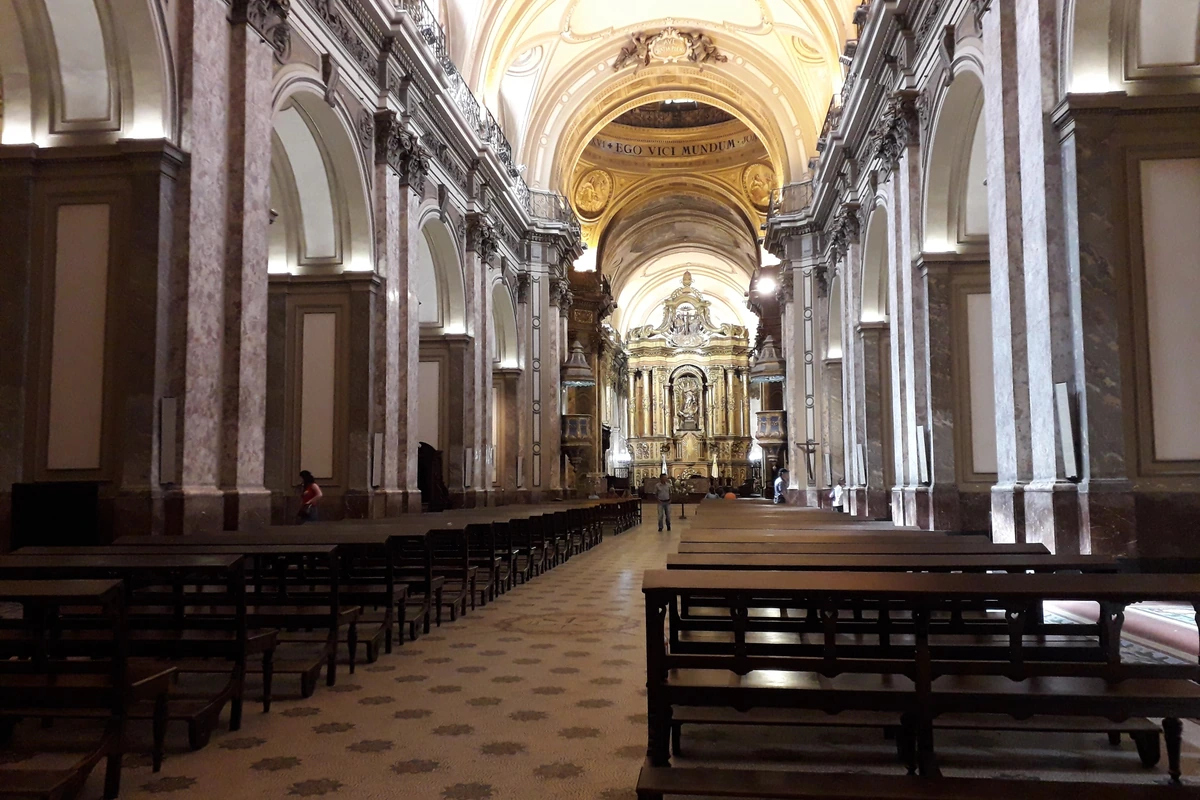
A familiar denomination or cultural label does not tell you how a local gathering works. Contact the host, understand the invitation and leave room to listen.

Your classroom Spanish still counts, even when the first reply escapes you. Train your ear around local forms and the conversations your own week will repeat.
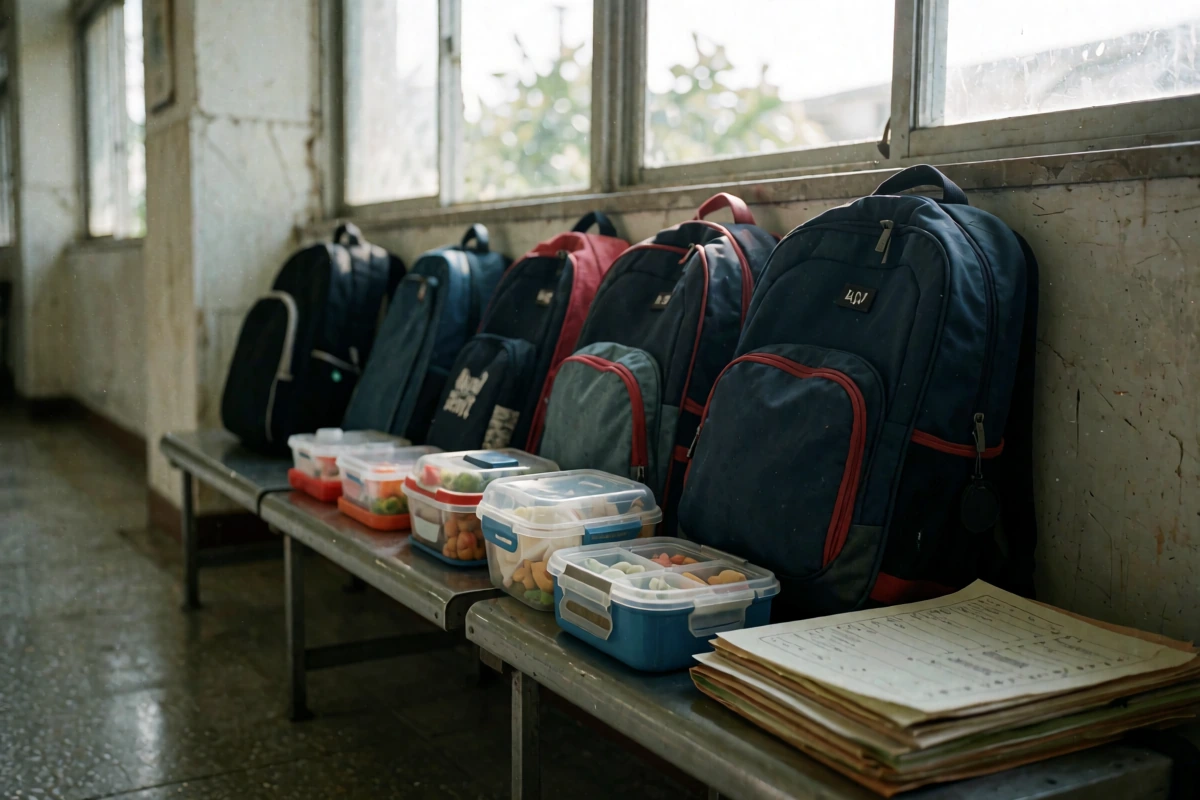
A school place and an apartment have to work together. Build the move around the child's route, health needs, and time to settle rather than the flight alone.

The word bilingual cannot tell you who will help your child in class. Ask for the grade's timetable, support arrangements, and a current written offer.
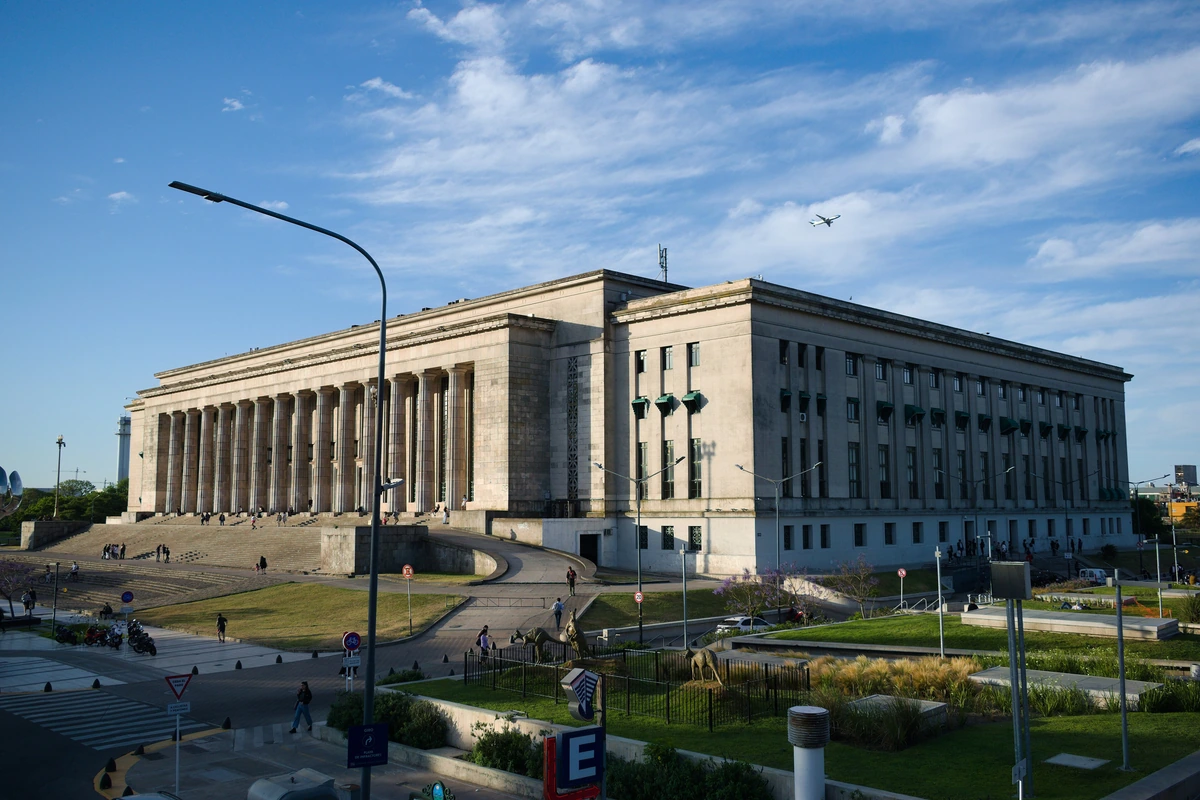
A university offer needs a language test and a commute test. Confirm the costs for your status and how the qualification will be used afterward.
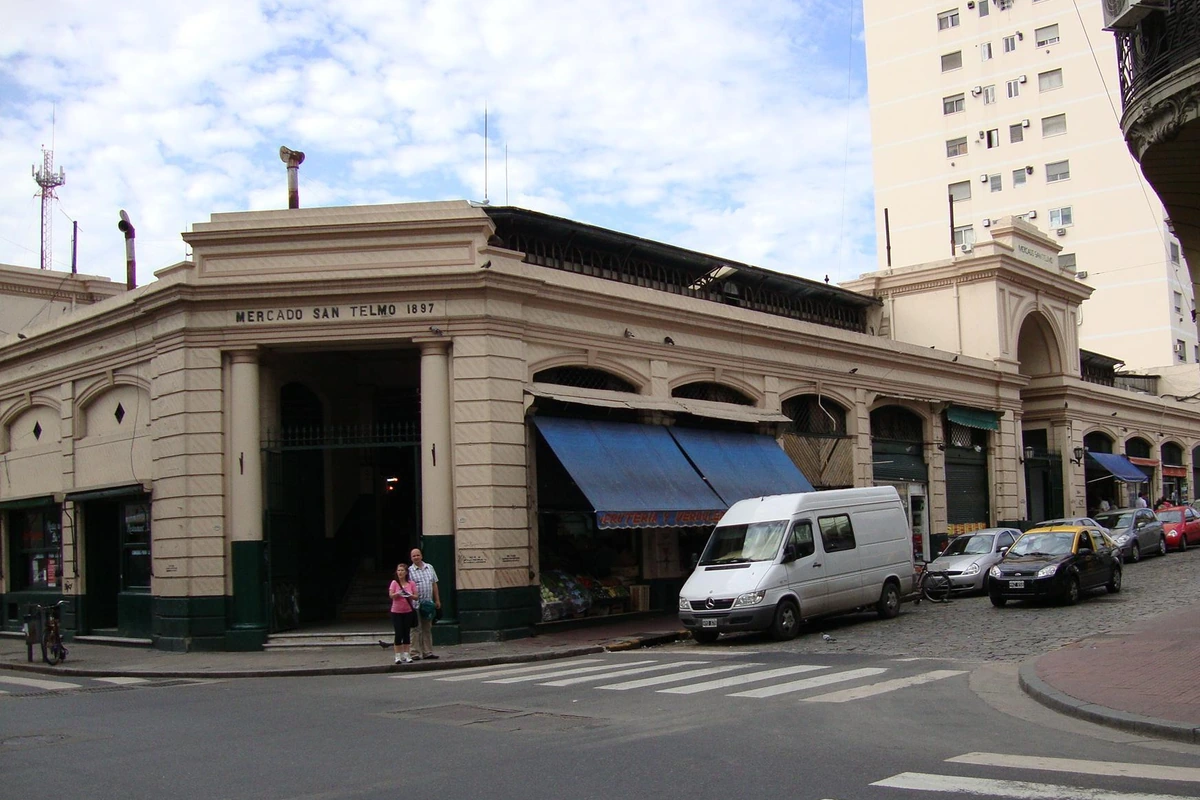
Start with meals your household will eat and shops you can reach. A supermarket, produce counter, and bakery may each earn a different place in the week.
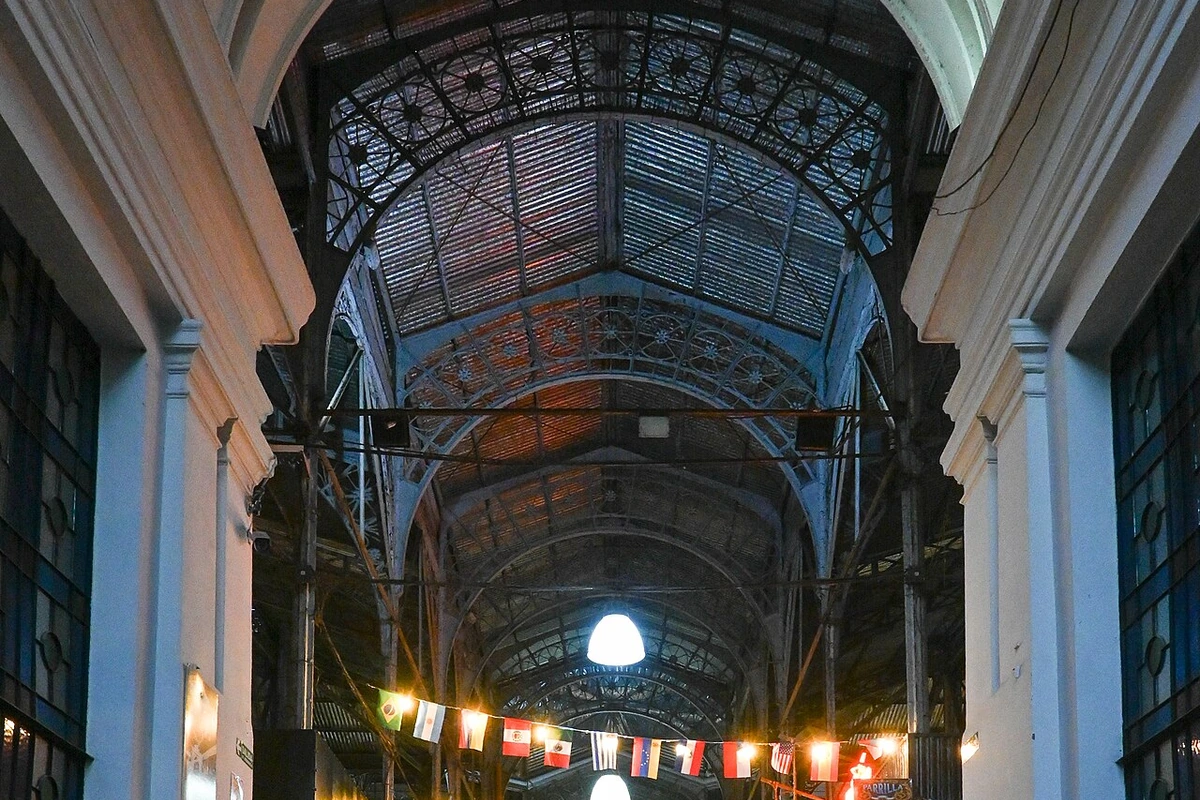
Mercado de San Telmo opens daily, Progreso and Belgrano Monday to Saturday, and growers sell direct at the agronomy faculty fair. Bring pesos for fair stalls.
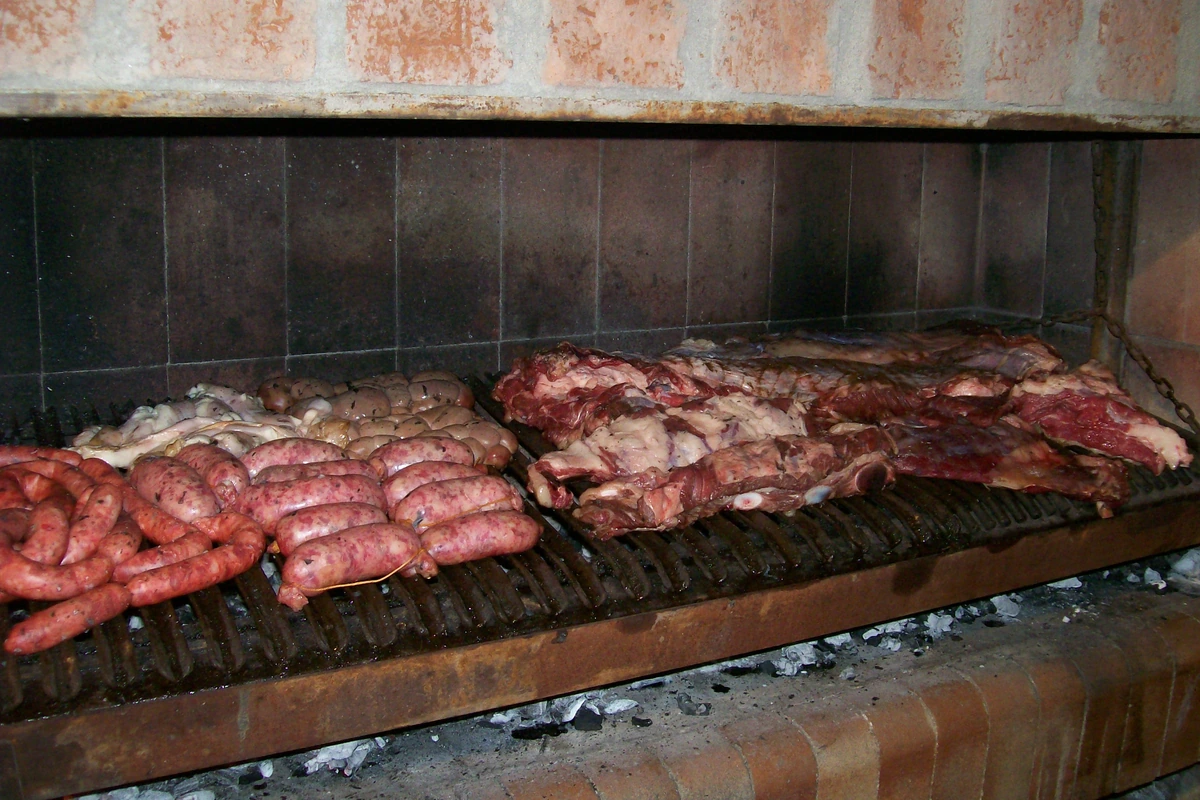
A family meal can begin with corn, river fish, goat, or orchard fruit. Use the region to guide your questions, then learn the preparation from its source.
The clinic for routine care may not be the one open at night. Set up both routes and keep records available to the adult who would take the animal.
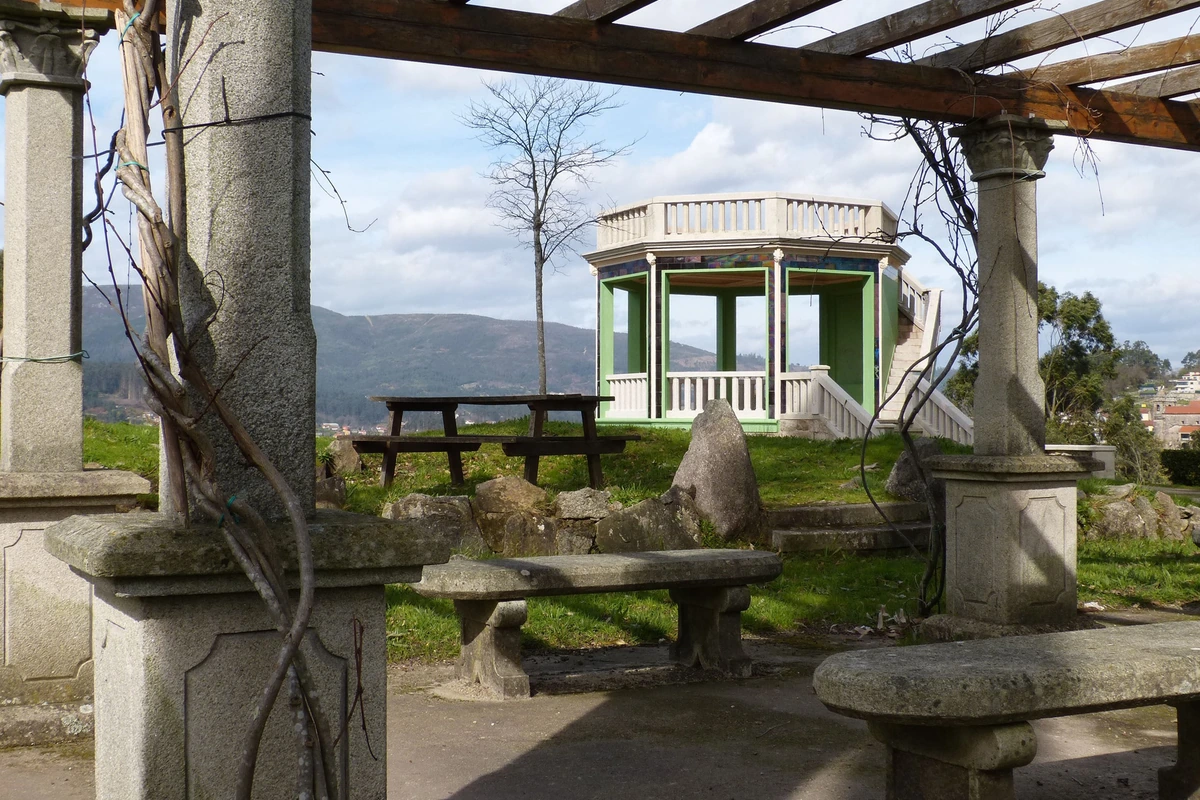
Start with the hours no adult currently covers. A reliable childcare plan names who takes responsibility at every handoff and what happens when a child is ill.
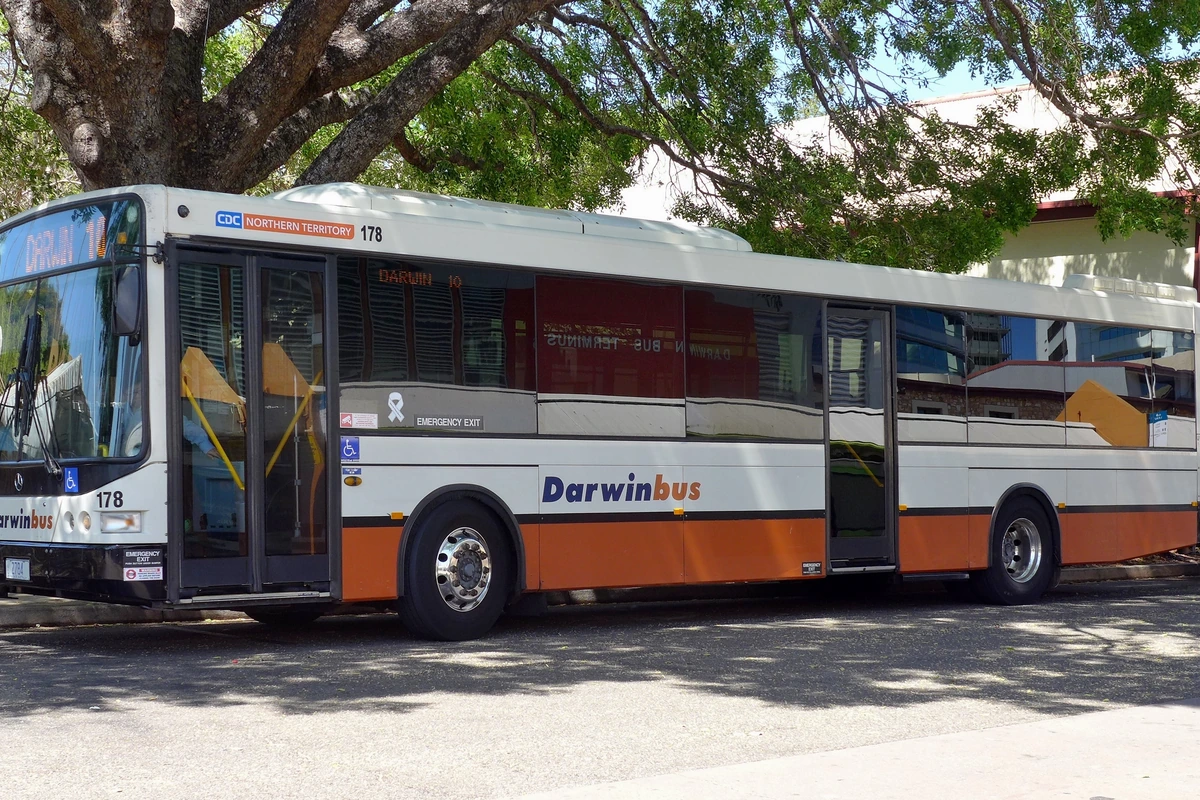
A lift may work while the sidewalk outside does not. Trace the whole journey against your own needs.
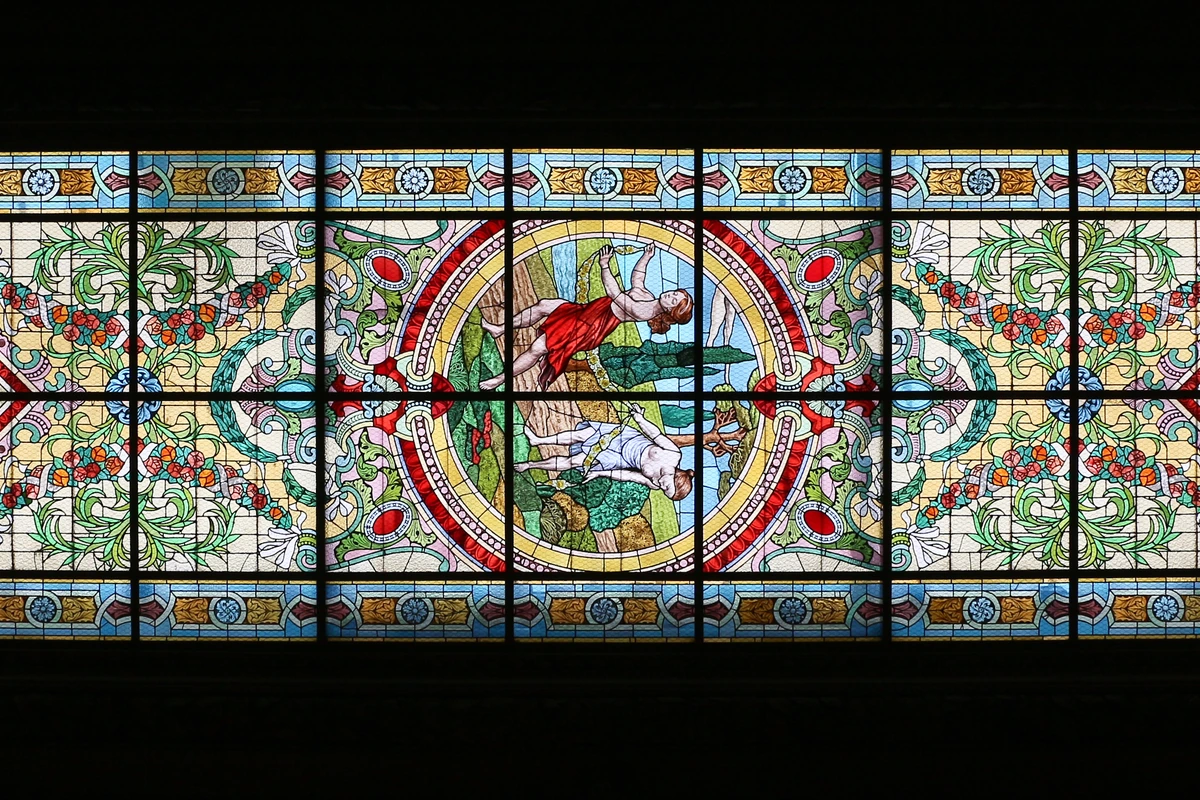
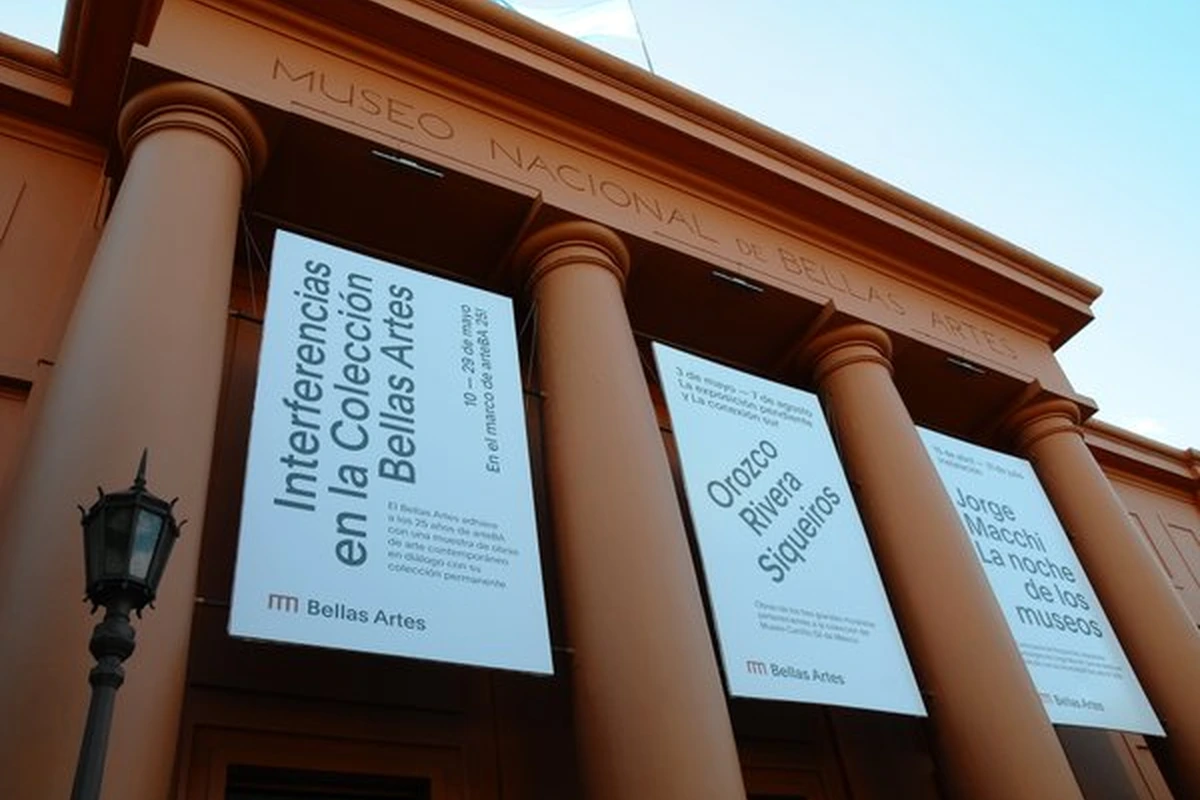
An afternoon with one exhibition can tell you more than a hurried circuit of museums.
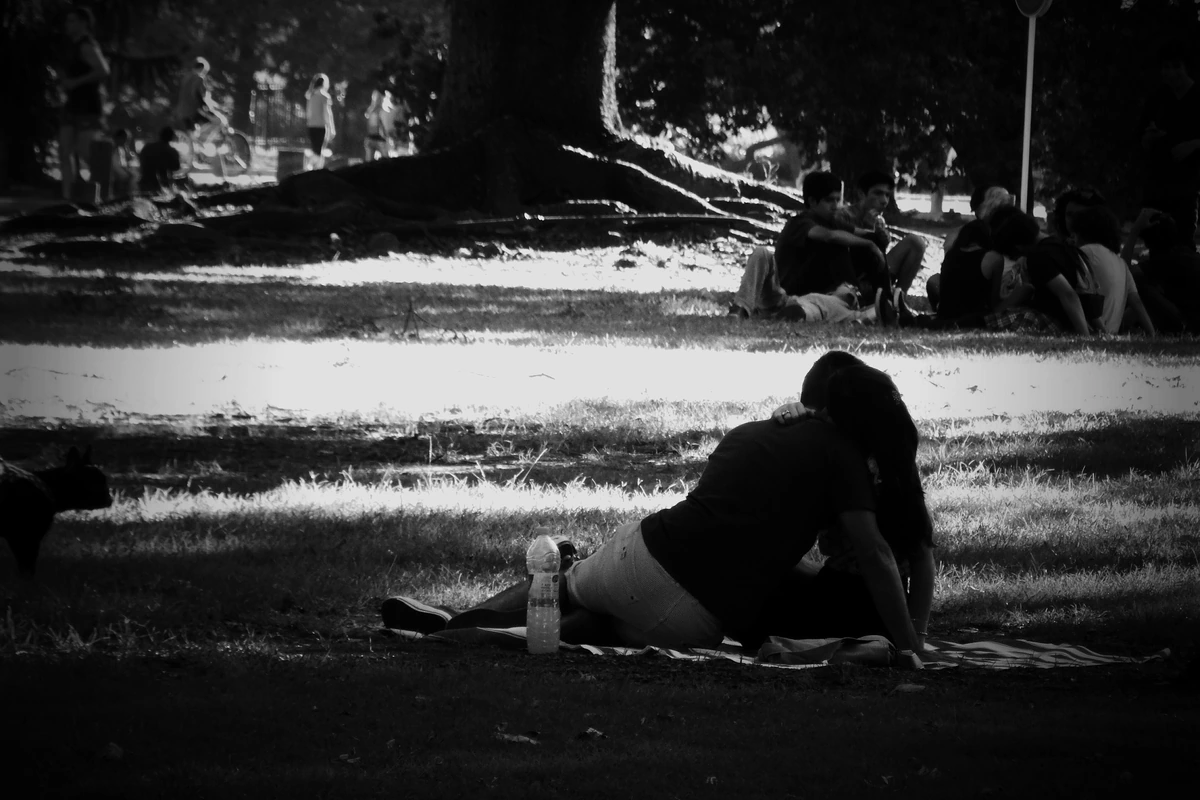
Distance alone says little about a bike ride; crossings, wind, surface, and the trip home set the pace.

Emergency care is free for everyone; for other care, Americans pay a prepaga (about US$130–870 a month at 30) until a DNI makes public care free.
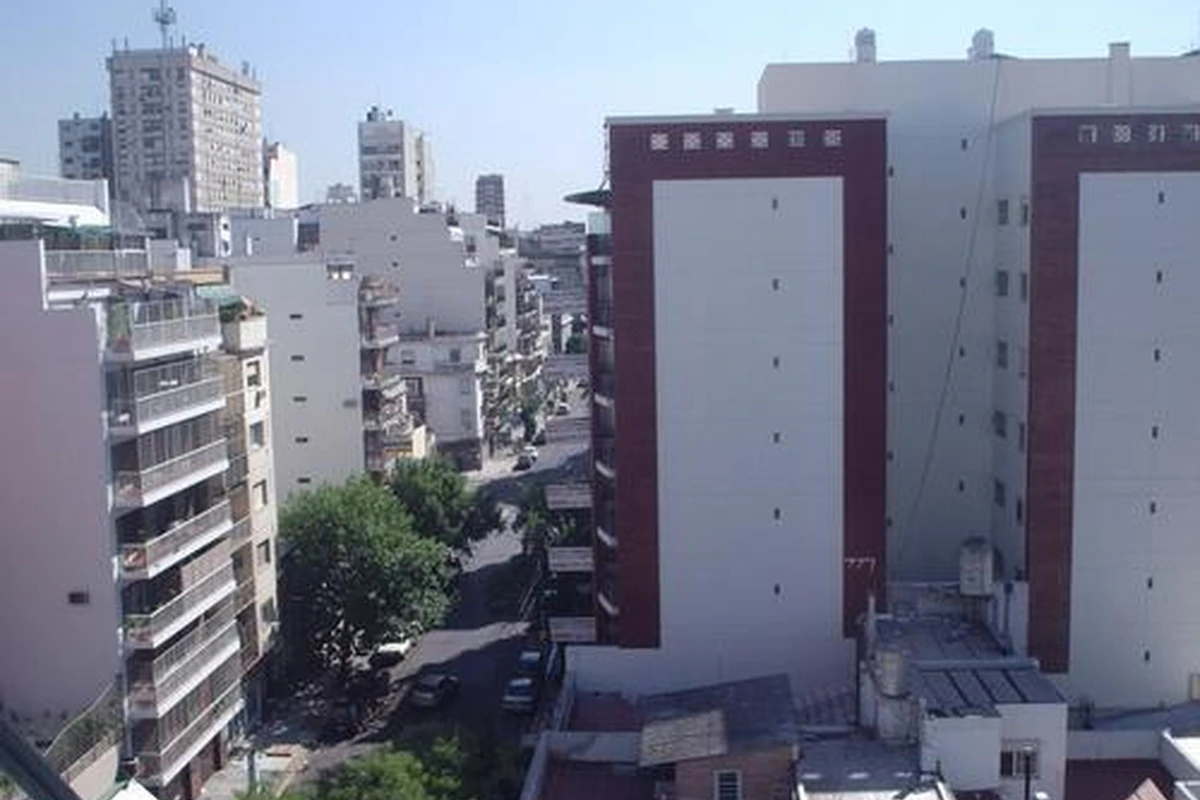
A barrio name opens the search; the building, block, and daily routes settle it.
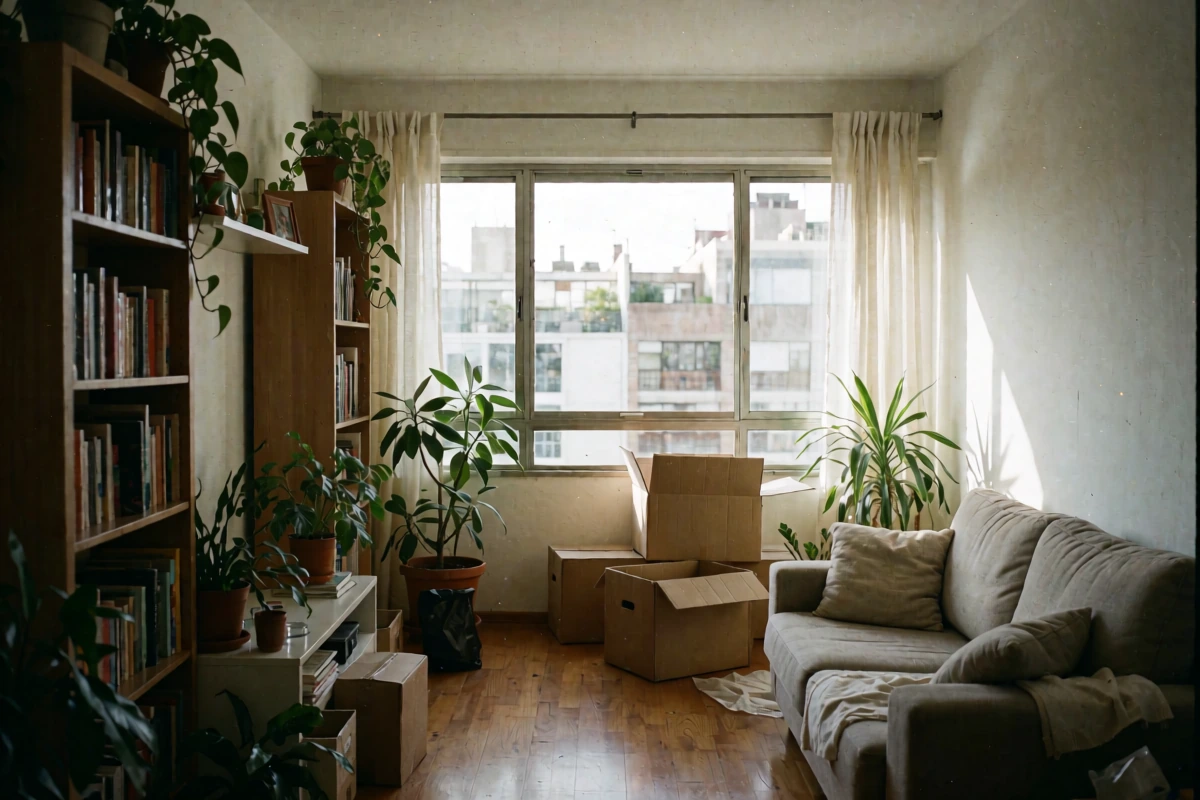
Before furnishing the place, learn its building routines, utility arrangements, and electrical limits.
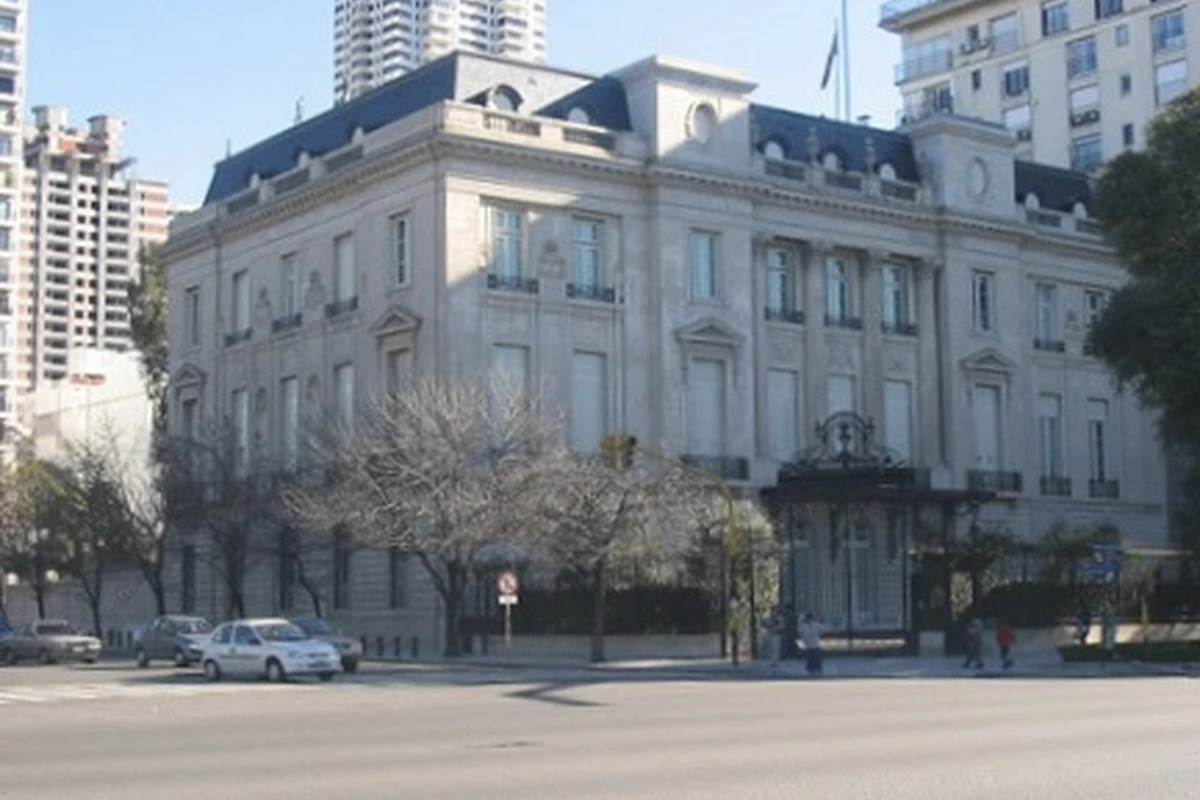
The 1823 recognition date begins the official chronology; a chamber, a school, and the embassy tell other parts of the story.

A forwarded event can lead to a good evening; a fellowship requires a current call and a different commitment.
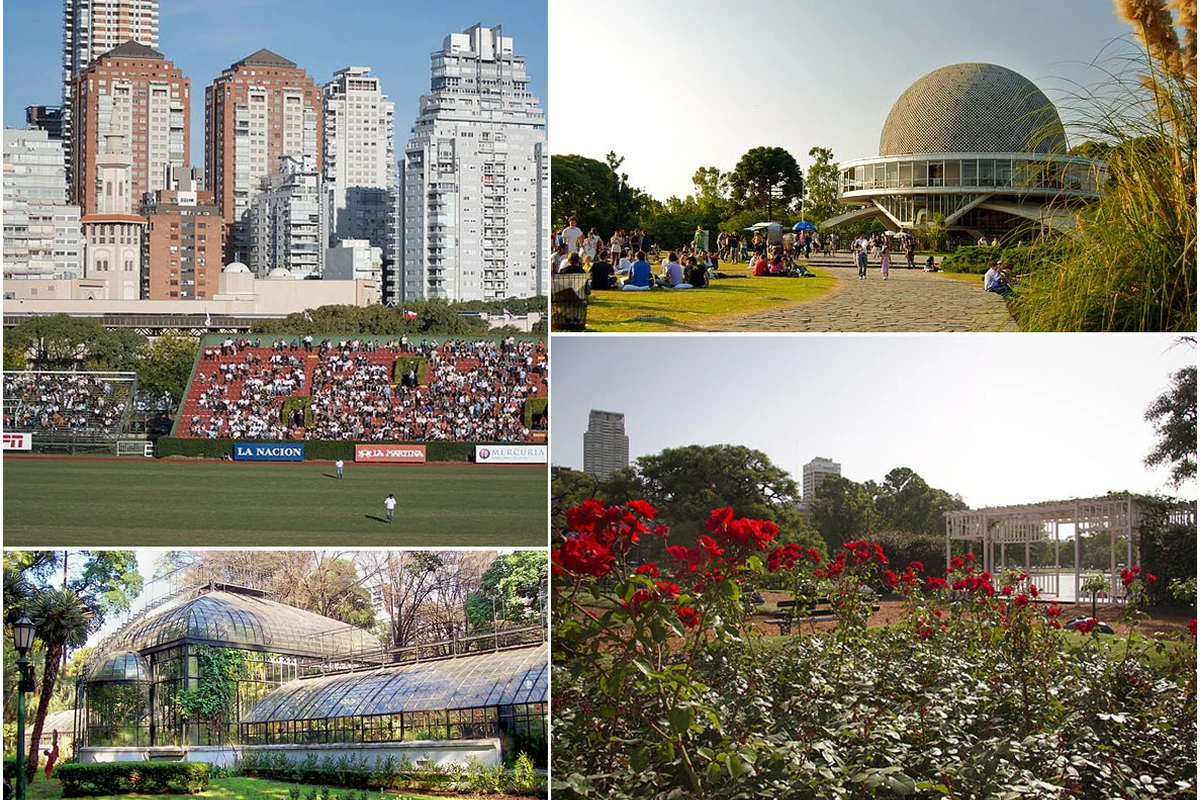
The right to buy a city apartment is broad; a safe purchase depends on the exact parcel and paperwork.
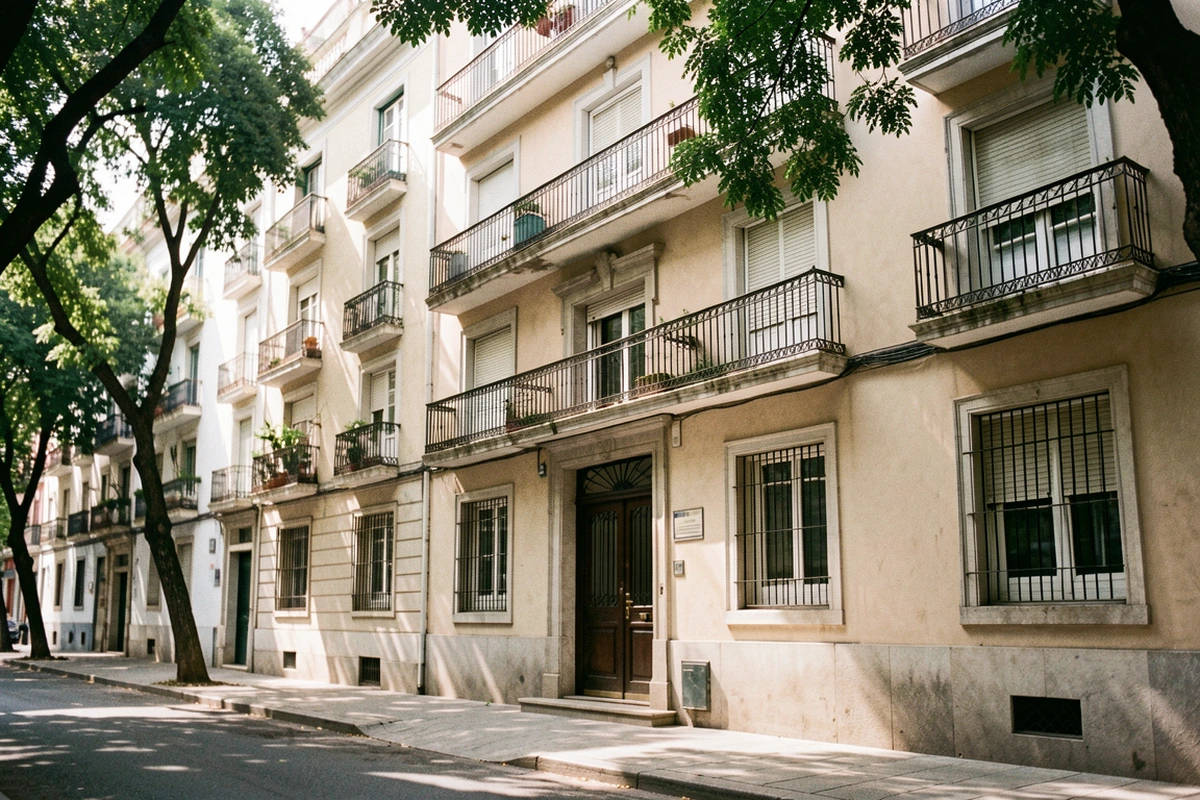
The listing is only the beginning: put the term, currency, increases, guarantee and expensas beside each other before signing.
A US passport does not rule out an urban purchase; an escribano and the exact property's records determine what can safely close.
An owner abroad needs a clear mandate, reliable property records and a route for signatures and payments before a listing goes live.
Choose the block and daily journey first: a barrio name cannot tell you about the apartment entrance or the lease.
A furnished first address gives time to test Mendoza's daily routes; read the inventory, services and exit terms before paying.
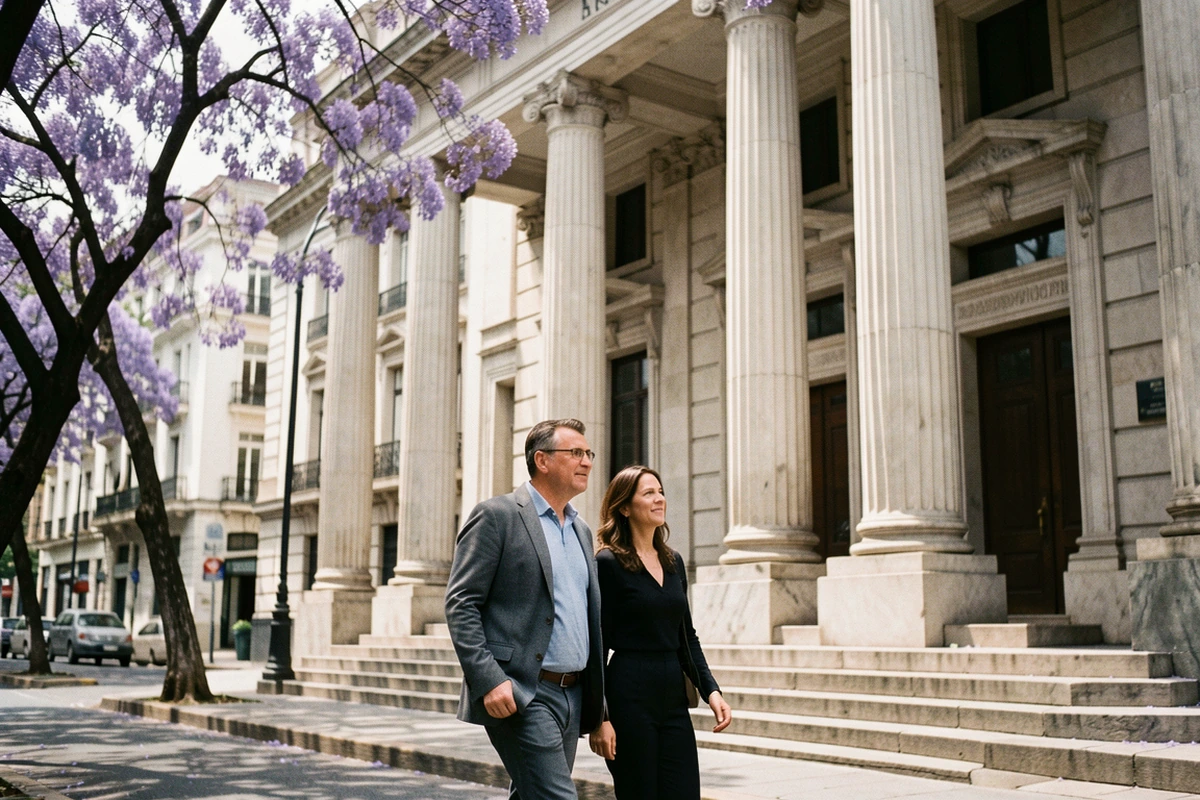
Americans get 90 days visa-free as tourists, extendable once by 90 days. To live in Argentina you need residence: rentista or pensionado with at least US$1,250 a month of income from abroad, work, study, family, or the 180-day digital nomad visa. Temporary residence costs ARS 100,000 at Migraciones and leads to permanent residence after 3 years.

A CUIL is the 11-digit work and social-security number ANSES assigns from your DNI; a CUIT is the same number registered for tax with ARCA (formerly AFIP). Both need a DNI behind them, so Americans without one use a CDI for one-off transactions.

Large sums move best as US-dollar wires into an Argentine dollar account, while everyday spending settles on a US card at close to the official rate (about ARS 1,545 per US$1 in September 2026). For family or a landlord who needs cash fast, Western Union pickup is usually ready within minutes.
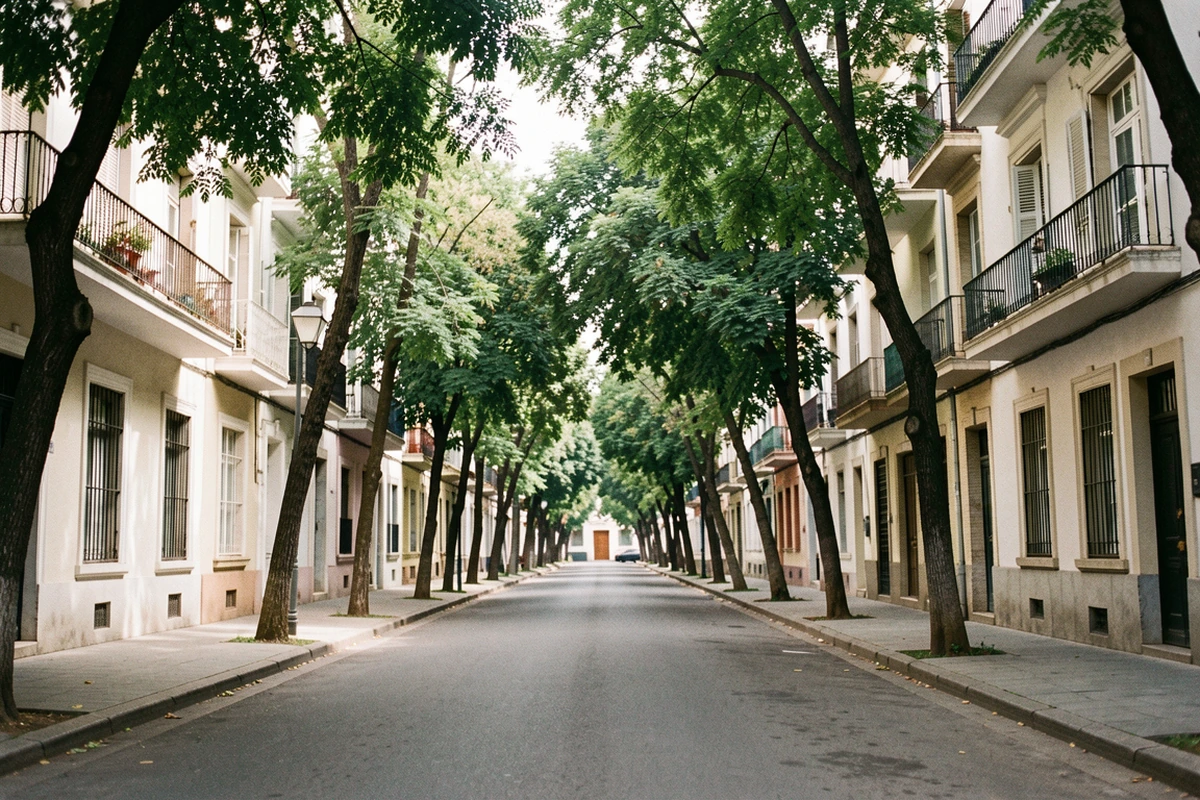
Belgrano's commercial corridors and residential streets support very different daily routines. Pick an actual address, walk your school or work route, compare complete lease costs and test the building before choosing a home.
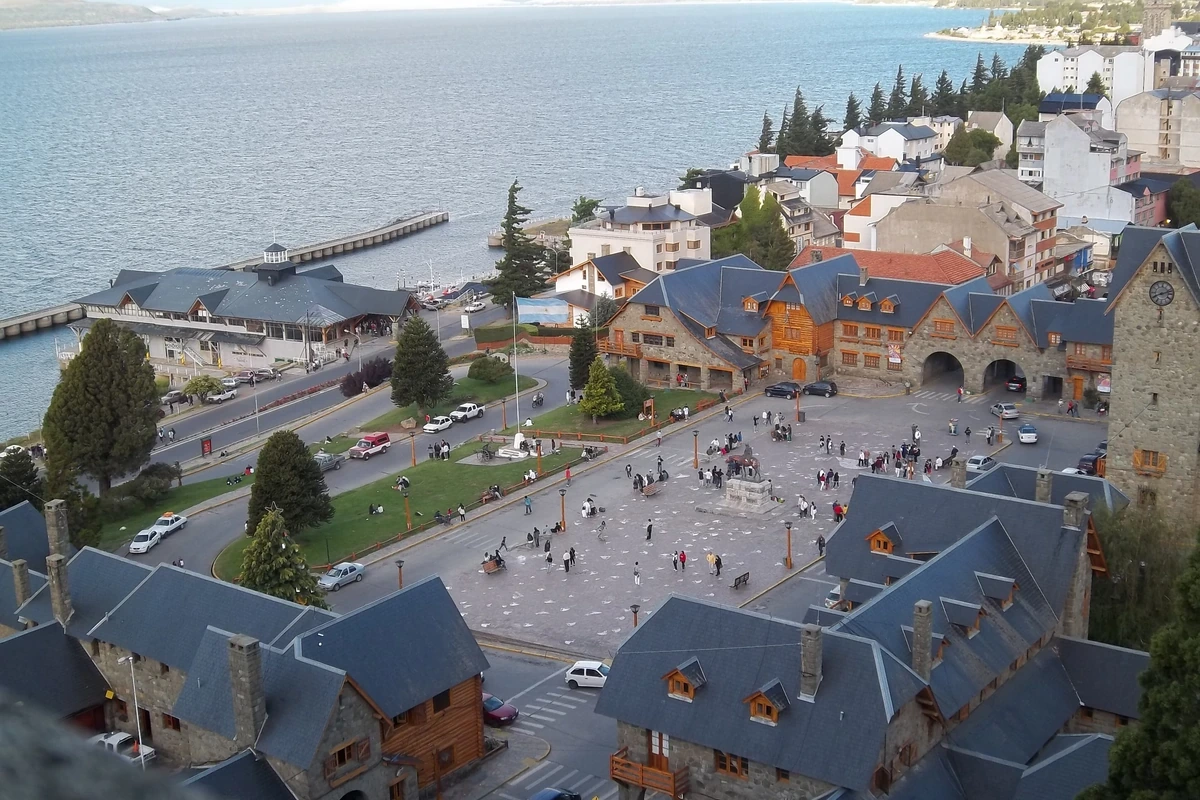
A Bariloche vacation apartment is not necessarily a year-round home. Compare available long-term housing with heating, winter routes, healthcare, connectivity, building costs and the contract's real exit terms.