 Americans in Argentina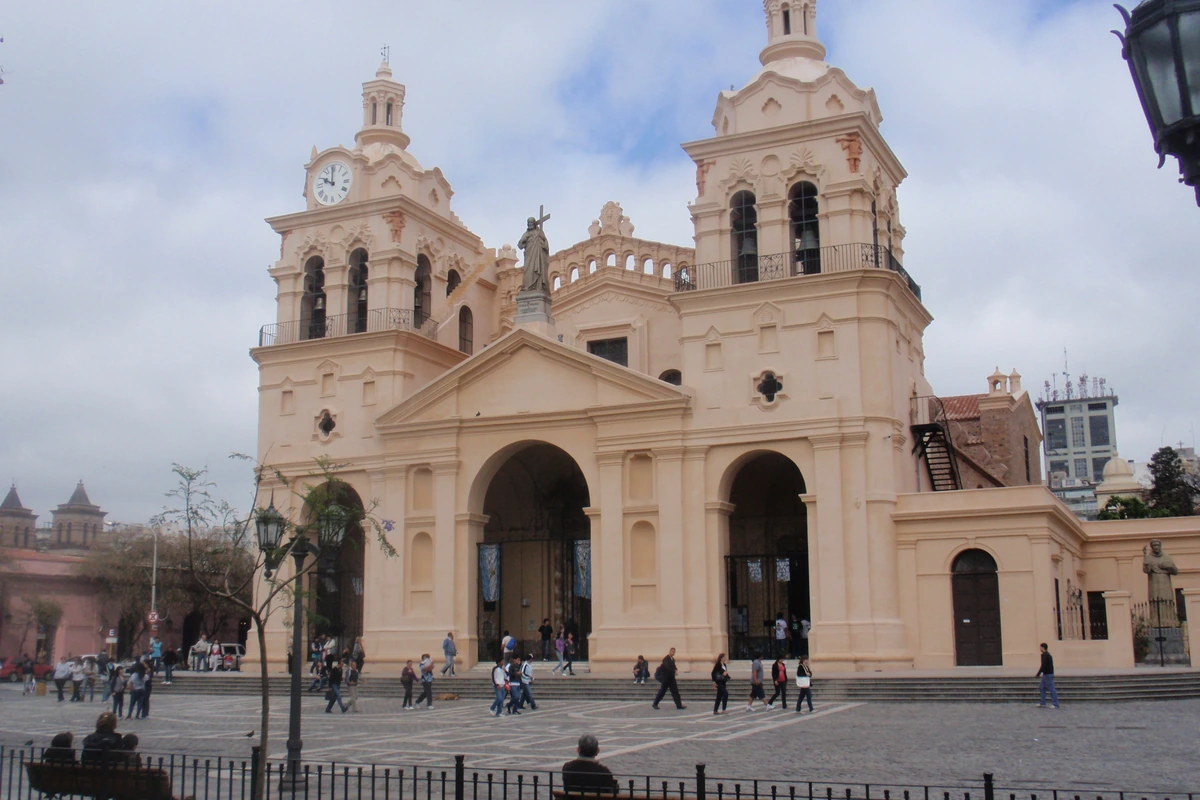
Size and distance change the comparison
The Buenos Aires metro area has about 15 million people, and a single person's monthly spending runs about US$1,300–1,900 including rent as of September 2026. Córdoba has roughly 1.5 million residents and sits about 1 hour 15 minutes away by air. Mendoza's metro area exceeds 1 million and is about 1 hour 50 minutes by air; both cities cost roughly 20–30% less to live in than Buenos Aires.
Rosario, at about 1.3 million, is a Paraná river port 300 km northwest of the capital, 3.5–4 hours away by road. Salta, with about 600,000 residents, stands around 1,200 meters above sea level in the northwest and is about 2 hours 10 minutes from Buenos Aires by air. Bariloche, the smallest of these six, sits on Lake Nahuel Huapi in northern Patagonia, roughly 2 hours 20 minutes away by air. Those connections matter when work or family takes you back to the capital.
Buenos Aires makes services easiest to reach
The capital has the deepest job market, international schools and private hospitals including Hospital Italiano, Hospital Alemán and Hospital Británico. Nonstop flights serve Miami, New York, Atlanta and Houston. In Palermo, Recoleta, Belgrano and Caballito, many errands can be done without a car; a subte ride costs ARS 1,753.
A central one-bedroom rents for about US$750 monthly, versus US$545 outside the center. Greater choice comes with traffic, noise and often smaller apartments. December through February is humid, and air-conditioning raises summer bills; winters are comparatively mild.
Córdoba offers a large city beside the sierras
Buying an apartment in Córdoba as an American calls for its own title and payment checks if you decide to settle there. The Universidad Nacional de Córdoba, founded in 1613, brings a large student population; car plants and software firms contribute to the job market. Hospital Privado Universitario de Córdoba and Sanatorio Allende offer private care. The climate is sunnier and drier than Buenos Aires, with Villa Carlos Paz and the Sierras de Córdoba about 35 km west for weekends. US flights usually connect through Buenos Aires, Santiago de Chile or Panama City.
Mendoza keeps the Andes close to city life
Mendoza has hot desert summers and cold, dry winters. For a specific arrival plan, compare a furnished first rental in Mendoza with a longer lease after you know the routes. Vineyards in Luján de Cuyo and the Uco Valley sit within reach of hiking and skiing in the Andes. Santiago de Chile is 360 km west via the Cristo Redentor pass, which can close in heavy snow. The Zonda, a hot dry wind from the mountains, can lift temperatures within hours.
The tree-lined center is walkable, though suburbs such as Chacras de Coria make a car more useful. A household choosing Mendoza for the outdoors will feel that distinction every week, not just on mountain trips.
Three cities with more particular trade-offs
Rosario's long Paraná riverfront and Universidad Nacional de Rosario come with easy road access to Buenos Aires and a humid climate much like the capital's. It has had Argentina's highest murder rate among big cities, driven by drug gangs, although homicides fell sharply in 2024. The specific neighborhood warrants close attention there.
Salta has a colonial center of churches and arcades, with the Cafayate wine valley about 190 km south. Summers are rainy, winters dry and sunny; services are thinner than in Córdoba or Mendoza, and most US journeys begin with a flight to Buenos Aires. Bariloche has cool summers and snowy June–September winters, with Cerro Catedral 20 km from town. Ski season in July and January holidays make long-term rentals scarce and expensive, while winter heating adds to costs.
The choice becomes clearer around a routine
Buenos Aires best serves frequent US travel, careers and international-school needs. Córdoba makes room for university-city life and hospitals at a lower cost; Mendoza offers dry weather, wine country and mountain access. Rosario works for someone drawn to a river city with road access to the capital, provided the neighborhood is chosen carefully. Salta's colonial streets and dry winters or Bariloche's lakes and snow may outweigh thinner services or a tougher rental market for households built around those places.
[An American's first furnished months in Mendoza](https://americansinargentina.com/resources/furnished-first-months-mendoza-americans) give that decision a practical starting point. A furnished month in the season you expect to live in can expose the daily costs behind a city's appeal. Decree 70/2023 leaves lease length, currency and price adjustments to agreement with the landlord, so local rental terms deserve the same attention as climate. [Search furnished and long-term rentals in all six cities on PlataPlace](https://plataplace.com/en/rent?utm_source=americansinargentina&utm_medium=referral).
Common questions
What is the best city in Argentina for Americans?
Buenos Aires offers the broadest job market, private hospital choice, international schools and nonstop US flights. Córdoba and Mendoza have big-city services at roughly 20–30% lower living costs.
What are the top cities in Argentina by size?
Of these six, Buenos Aires, Córdoba, Rosario and Mendoza are the four largest metro areas, in that order. Salta is smaller and Bariloche smaller still.
Which big Argentine city is cheapest to live in?
Córdoba and Mendoza both run about 20–30% below Buenos Aires. As a September 2026 benchmark, one person in Buenos Aires spends about US$1,300–1,900 monthly including rent.
Do I need a car outside Buenos Aires?
Central Córdoba, Mendoza, Rosario and Salta can work on foot and by bus. A car becomes more useful in Mendoza's wine suburbs and in Bariloche.