 Americans in Argentina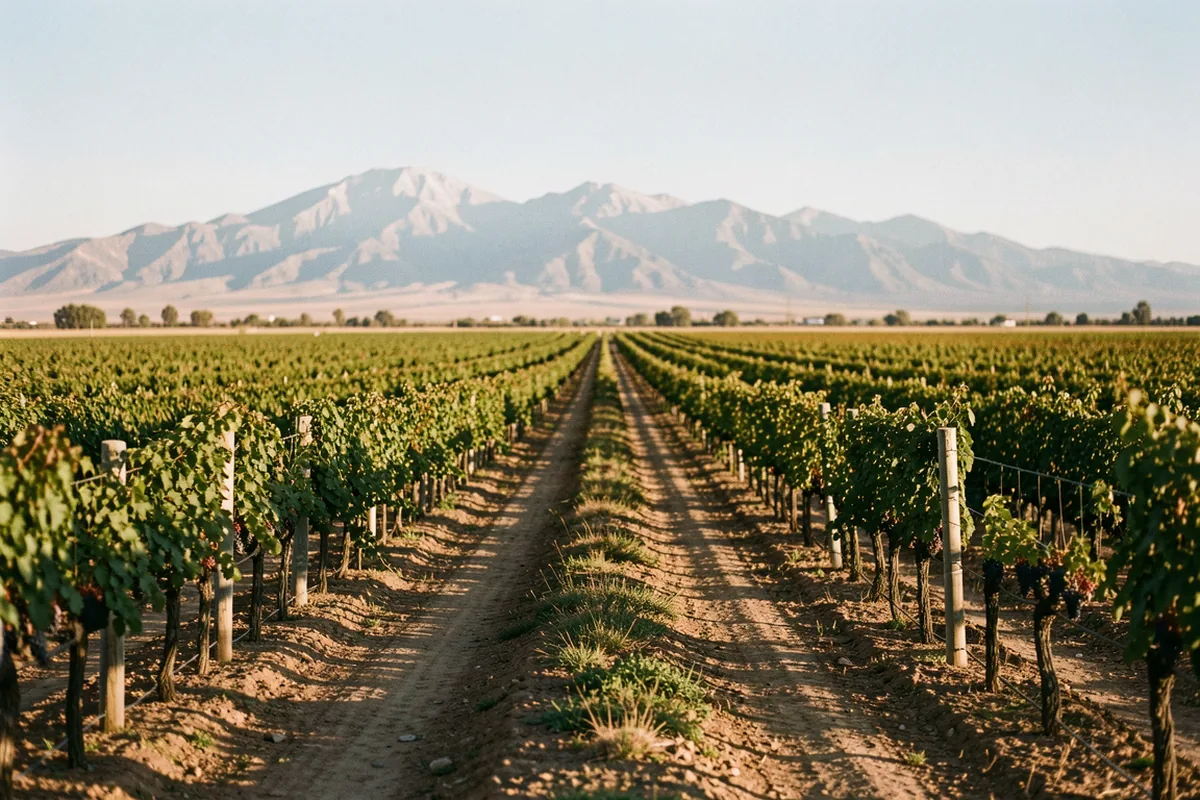
The short version
Rural means outside the urban boundary, whatever the parcel is used for. For a foreign individual who does not qualify for an exemption, the law caps foreign ownership of rural land at 15 percent nationally and in each province and municipality, allows no single foreign nationality more than 30 percent of that, and limits one foreign owner to 1,000 hectares in the zona núcleo or an equivalent area elsewhere. It also bars properties that contain or border large permanent bodies of water, and routes border-zone properties through the Interior Ministry.
Check the exemptions first. The exceptions cover foreigners with ten years of continuous, permanent, proven residence; foreigners with Argentine children and five years of that residence; and foreigners married to an Argentine for at least five years before the transaction who also prove five years of continuous, permanent residence. Either way, see farms for sale on PlataStar to learn what exists, and let a lawyer tell you what the law means for you before you pay anything.
Where the law stands today
DNU 70/2023, published on 21 December 2023, ordered the repeal of Law 26,737. The national land registry says on its own page that the law's restrictions are in force and that, although the decree ordered the repeal, the law was restored by an injunction that is currently in force. In early October 2026 that page still said so. Press reports at the end of September 2026 say the Supreme Court has ruled on the question. Treat any such report as something to confirm: ask your escribano or lawyer to check the position at the time you buy, not weeks earlier.
Do not plan around the repeal. A deal built on the assumption that the law no longer applies can be void if it does. Article 7 says acts that violate the law are totally and incurably null, with no compensation for those who took part, and that the people who delivered the land or signed the documents answer personally and jointly with their own assets. Article 6 forbids using an Argentine individual or company as a front to disguise foreign ownership and calls it fraudulent simulation. Buying in a friend's or relative's name is not a workaround.
Check what counts as foreign and what counts as rural
The law covers any foreign individual, whether or not they live in Argentina, unless an exemption applies. It also covers companies where foreign owners hold more than 51 percent of the capital or enough votes to control, other companies controlled by a foreign company above 25 percent, and some trusts and joint ventures with foreign participants. A company structure does not by itself take you out of the rules.
Rural land is defined by its location outside the urban boundary, not by how it is used, and the law names farming, forestry and tourism among the uses it covers. A country lodge outside the town limits is therefore rural land even though it is also a business, while a hotel inside a town is urban property and a business. If that is your plan, you can browse hotels for sale on PlataStar and note which side of the boundary each one sits.
Registration is part of the process. The national registry issues a certificate of authorization, the certificado de habilitación, for transfers the law covers, and the escribano or the court involved processes it. The registry's page lists the online procedure for a foreign person acquiring rural land. Ask your escribano to start there, and do not hand over more than a refundable reservation until the certificate position is clear.
Water, borders and the parcel itself
A lakeside estancia in Patagonia, a riverside chacra or a farm near a frontier is where the specific bans bite. Article 10 bars foreigners covered by the law from owning properties that contain or border large permanent bodies of water, and from properties in border security zones except under the exceptions and procedures of Decree-Law 15,385/44 as amended by Law 23,554. Article 13 requires the Interior Ministry's prior consent to acquire rural property in a security zone. Ask your lawyer whether the parcel touches either category before you fall for the view.
In irrigated regions such as Mendoza, ask what water the property really has: which right is registered for the parcel, what it covers and how it passes to a buyer. Vines with weak water are a different asset from the same rows with secure irrigation.
Find out who is on the land and who farms it. Tenants, sharecroppers and anyone occupying part of a parcel are a due-diligence question that a title study does not answer. The registry's ownership report, the boundary survey and a walk of the whole perimeter each tell you something the others do not.
Vineyards: the registration that makes the grapes sellable
The Instituto Nacional de Vitivinicultura requires a vineyard to be registered right after planting, with a deadline of 31 December each year. Without the registration the owner cannot carry out commercial operations with the production, whether that is winemaking, selling fresh grapes or making raisins. The owner must also tell the institute about any change in area or varieties.
To register you need the deed or other proof of title or of the right to exploit the vineyard, a CUIT, a sworn declaration of the location, the productive area and the area planted with each variety, and a registration with SENASA's registry of agricultural producers, the RENSPA. That makes the CUIT an early task for a foreign buyer. The CUIT and CUIL guide for Americans explains it before you need it.
If you buy an existing vineyard, ask for the registration and check that its area and varieties match what is on the ground. To see what is on the market in wine country, browse farms for sale around Luján de Cuyo on PlataStar.
A sensible order of work
Classify the parcel as urban or rural. Check whether you qualify for an exemption. Ask a lawyer for the current legal position, in writing, close to the purchase date. Order the title study and the registry report for the parcel's own province. Check water, occupants and boundaries. Only then pay a reservation, and keep it refundable until the certificate position is clear.
After closing, the paperwork continues: the CUIT, the RENSPA and, for vines, the vineyard registration. If the land is only a first step and you still need a home, the guide to buying a lot to build covers the urban case, and you can describe the parcel you want on PlataStar when none of the listings fit.
Rural land rewards patience. Know which side of the line the parcel is on, ask the lawyer the question twice, and leave the view for last.
Common questions
Can an American buy a farm in Argentina?
Yes, within limits. Rural land is covered by Law 26,737, which sets limits for foreign owners and requires a certificate before the transfer. Exemptions exist, such as ten years of continuous, permanent, proven residence. Confirm the law's current status with a lawyer at the time of purchase.
Is Law 26,737 still in force?
The national land registry's page says its restrictions are in force by an injunction that restored the law after DNU 70/2023 ordered its repeal. Reports of a Supreme Court ruling at the end of September 2026 need to be confirmed with an escribano or lawyer when you buy.
Can I buy through an Argentine friend or a local company?
Not to disguise foreign ownership. A genuine company purchase must satisfy the ownership/control rules and applicable limits; have your lawyer assess the structure. Article 6 prohibits using Argentine individuals or companies to disguise foreign ownership, and Article 7 makes acts that violate the law totally null, with personal and joint liability for those who took part.
Can I buy a lakefront or border property?
Foreign owners covered by the law are barred from properties that contain or border large permanent bodies of water. Border security zones are barred except under the exceptions and procedures of Decree-Law 15,385/44, and Article 13 requires the Interior Ministry's prior consent.
Do I need to register a vineyard I buy?
Yes. The Instituto Nacional de Vitivinicultura requires registration, which needs the deed, a CUIT, a sworn declaration and a RENSPA registration. Without it the owner cannot do commercial operations with the grapes.