 Americans in Argentina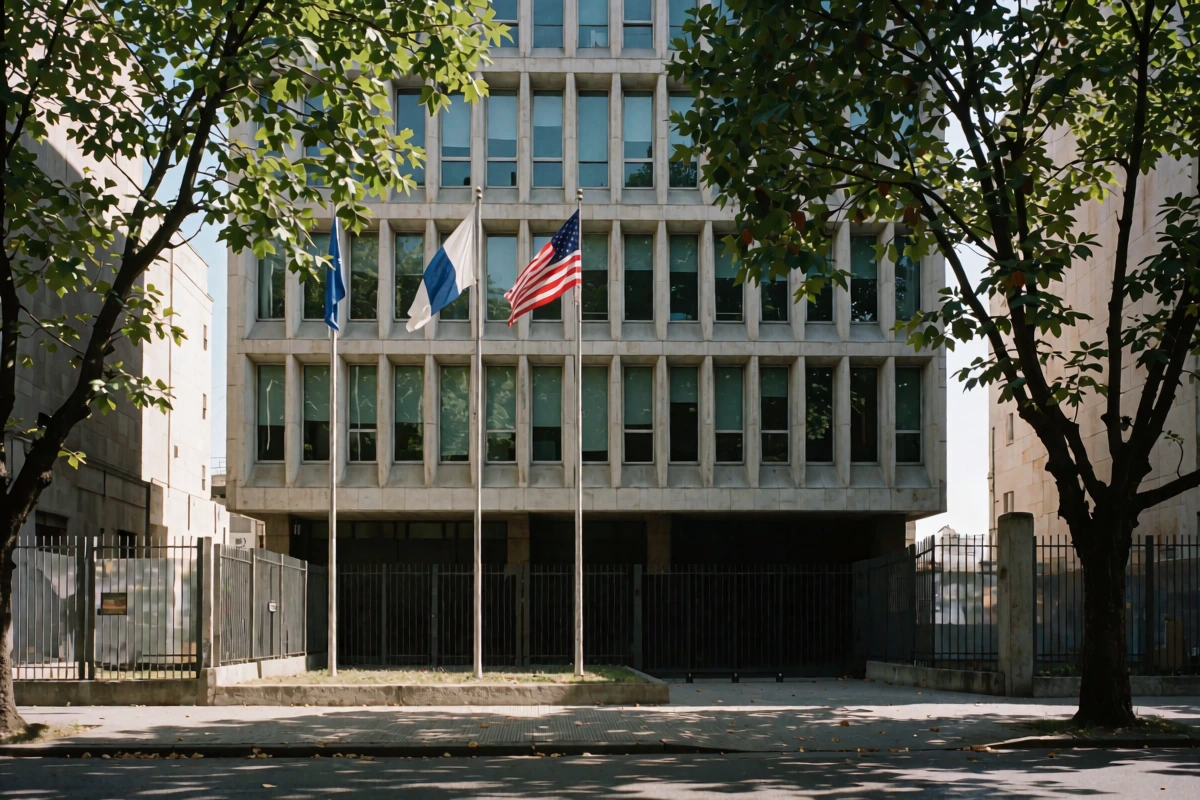
Call local responders for immediate danger
Argentina's general emergency number is 911. Local police and medical responders can act at the scene of an immediate threat. Consular assistance may follow alongside their response if a U.S. citizen is hospitalized, detained, missing, or affected by a serious crime.
When contacting the embassy, a brief account of what happened, the person's location, and any immediate danger helps staff identify the consular issue. They may explain options, establish contact with relatives, or direct a family to local resources. The Argentine authority involved still makes its own decisions.
Routine services have separate appointment routes
American Citizen Services covers passport matters, Consular Reports of Birth Abroad for eligible children born in Argentina, and certain notarial acts. Each service calls for its own evidence and eligibility check; visa services use a separate route. A child's citizenship documentation, for example, needs more than an adult passport-renewal checklist.
The embassy's current service instructions set the appointment category, forms, originals, photographs, payment, and location. Save those instructions with the appointment confirmation, especially if several people are assembling the papers. Closures and entry requirements can affect a trip to Buenos Aires even when the application itself is ready.
In an emergency, consular help is practical and limited
After an arrest, disappearance, hospitalization, crime, or death, staff may help contact relatives and offer information about local lawyers or medical care. They may visit a detained U.S. citizen and monitor access within Argentine law. This can make an unfamiliar situation more intelligible to relatives abroad, though the embassy cannot investigate a crime, act as private counsel, remove charges, or direct a court.
The U.S. government generally does not pay hospital, hotel, legal, or return-travel bills. In limited emergencies, staff may explain ways for family to send funds or discuss assistance available under strict conditions. Consular contact is useful, but a household still needs its own plan for medical and travel costs.
Living outside Buenos Aires affects the trip
A required appearance can mean transport, lodging, and time away from work for someone in Salta, Bariloche, Mendoza, Córdoba, or a smaller community. Some questions can begin by phone or email, but the current embassy instructions decide when remote contact is enough. Published emergency and outreach arrangements are more reliable than a neighbor's memory of a past visit.
A private file with the official instructions, appointment confirmation, fees actually specified, and relevant records makes the journey easier to manage. If the embassy refers you to another office, that office sets its own evidence requirements. A referral names the responsible authority; it does not approve the papers in advance.
Other questions still have their own offices
Dirección Nacional de Migraciones handles Argentine residence, and Argentine offices handle local civil records. The IRS handles U.S. federal tax matters; the relevant program handles federal benefits. Overseas voting guidance has its own channels. A residence renewal and a passport replacement may fall in the same week, but the applications belong to different authorities.
If a phone disappears, a secure backup of passport pages, insurance and medication details, and a U.S. contact can help a family respond. STEP, the Smart Traveler Enrollment Program, offers enrollees security messages and a route for consular contact efforts while local responders remain the first call for immediate danger. A trusted person can know where to find contact information without holding unrestricted account access.
A clear account of the U.S.-citizen issue helps consular staff act within their role. For the immediate response, the local case, and Argentine residence, the authority remains here in Argentina.
Common questions
Can the embassy get me Argentine residence?
Dirección Nacional de Migraciones handles Argentine residence. The embassy provides its listed U.S. consular services, not local status for private applicants.
What can the embassy do if a U.S. citizen is detained?
Staff may contact relatives, provide information, and visit a detained citizen within the applicable limits. Argentine authorities decide the case and any release.
Will the embassy pay my hospital bill or flight home?
The U.S. government generally does not pay those costs. Staff may discuss family funding routes or assistance available under strict conditions in a qualifying emergency.
Must I go to Buenos Aires to contact the embassy?
Some questions begin by phone or email. The embassy's current instructions say when a personal appearance is needed and which route serves an emergency.