 Americans in Argentina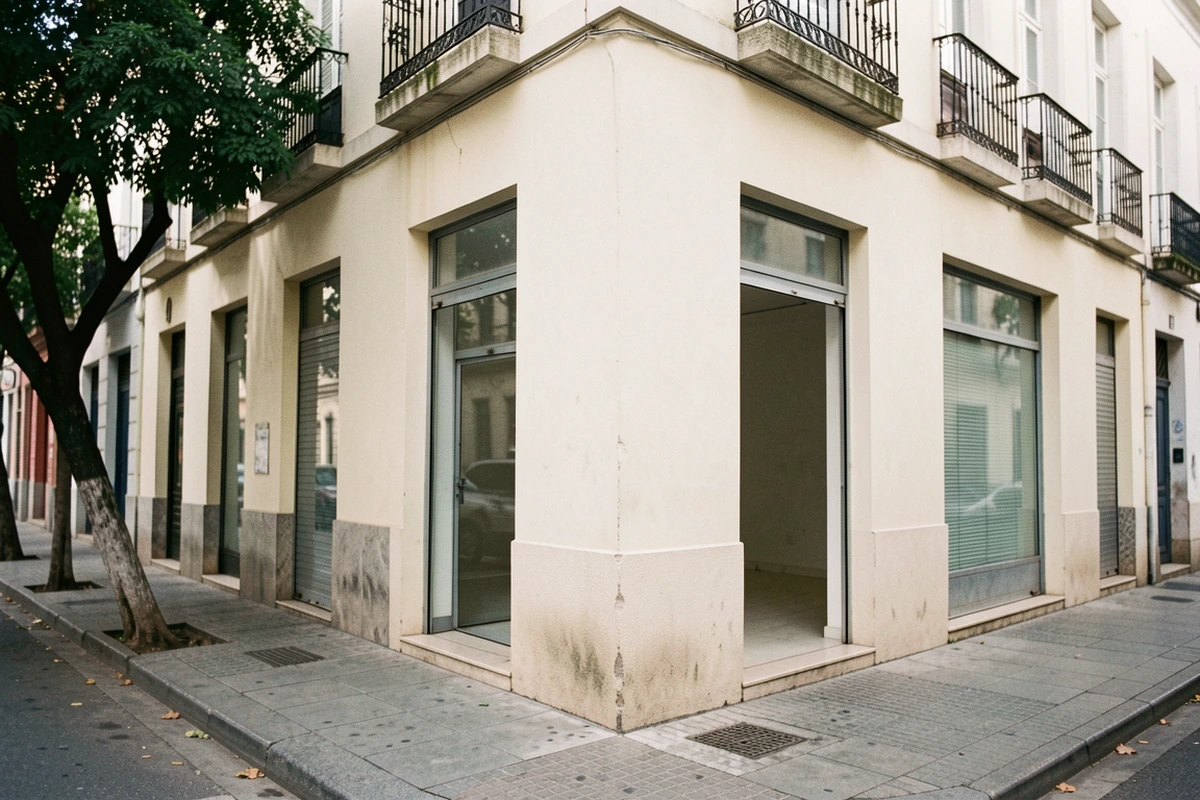
Start with the address, not the sign on the door
Step three of the City's guide to opening a local comercial is to check that your activity is allowed at the address, using the Ciudad 3D map and the Código Urbanístico (Law 6,099), which sets land uses, mixed-use zones, maximum surfaces and parking and loading requirements. Historic districts, protected areas and listed buildings add further checks, and some areas need a separate use consultation, the Consulta de usos. You can see retail spaces for rent on PlataStar to build a shortlist, then check each address against those rules before you visit twice.
All of this applies inside the City of Buenos Aires. A shop in Vicente López, San Isidro or any other municipality of Buenos Aires Province answers to that municipality's rules and procedures, so "Buenos Aires" in an agent's mouth needs a follow-up question.
A former café is not proof that a café can open there again. Ask to see the existing authorization and which activities it covers. If you are buying the business, the City has a separate procedure for transferring an authorization that was already granted.
What the City asks for, and who has to do it
The application runs online through a miBA account at level 3. The applicant is identified by CUIT and can be an individual or a company. If a company applies, its legal representative needs a Clave Ciudad from AGIP and has to link it to the company. If you do not have a CUIT yet, start with the CUIT and CUIL guide for Americans, because it takes lead time.
The application includes a sworn declaration of the activity you will carry out in the premises and a technical annex signed by a registered architect, engineer or maestro mayor de obras, with a sketch of the location. The Certificado de Aptitud Ambiental from the City's environmental agency is a separate step, and so is the fire-safety plan, the Sistema de Autoprotección, which is a sworn declaration for Group 1 premises and carries more requirements for Groups 2 and 3.
The professional has to apply special considerations in shopping galleries, food courts, transit stations and other complexes, in historic or protected areas, and in listed buildings. Ask which of those categories your address falls into before you reserve it. The City also classifies activities in a table of categories, the Cuadro de Asimilación de Rubros, so give the professional your real menu, equipment and delivery plan, not a general description.
Three routes to opening, and the trap in the QR sticker
The City describes several kinds of authorization. With a sworn declaration without plans, available up to 500 m², you can start trading immediately and receive a QR sticker, although final approval still depends on the City's technical review. With a sworn declaration with plans you can also start right away, subject to review, except where a specific law requires inspection first. A license is the strictest route: you cannot start until you receive official notice of approval, and it requires an inspection beforehand. A license is valid for 15 years, after which you file a sworn update.
The City's page also warns that premises can be cleared for use, librado al uso, without yet having the habilitación. If a seller tells you a place is approved, ask which of these it is, and look at the QR sticker, which is how the City records the status.
Write the lease around the approval
Commercial leases fall under the Civil and Commercial Code. The term is whatever you write, and Article 1198 supplies three years if you write none. Article 1199 lets you set the rent in pesos or dollars and adjust it with an index expressed in the same currency. Article 1221 sets 10 percent of the remaining rent as the default price of leaving early. Those defaults assume you can use the space. A permit delay should not leave you paying full rent on premises you cannot open.
Ask for terms that follow the approval: rent that starts after the permit, or a reservation that is refundable if the City or your professional rejects the premises. Get the landlord's written consent for the works you need, including any extraction and signage. A sign that projects from the facade needs its own City permit, the Permiso de anuncio publicitario exterior, and if deliveries will stop in front of the shop you can ask the City for a loading space, the cajones azules.
The guide to renting an office with dollar income covers currency, indexing, guarantees and expensas, and all of it applies to a shop.
Buying a business instead of renting a space
A fondo de comercio is an operating business. Law 11,867 lists what one can include: installations, stock, the commercial name and sign, the clientele, the right to the premises, patents, trademarks, designs and other commercial rights. If that is the route you are weighing, browse businesses for sale on PlataStar as a search of its own, because the questions are different from those of a vacant shop.
The law sets a process for the sale. The sale must be announced for five days in the Boletín Oficial and in a local newspaper, and the transfer document can only be signed ten days after the last publication. In that window creditors can object, and the buyer, auctioneer or escribano must retain the amounts they claim and deposit them in a special bank account, holding them for twenty days so creditors can seek an attachment. Unless all creditors consent, the price cannot be below the seller's admitted qualifying debts plus qualifying undisclosed debts whose creditors have filed opposition. The transfer document must be written and registered within ten days to have effect against third parties. When these steps are skipped, buyer, seller and escribano are jointly liable for the unpaid creditors up to the sale price.
That is why a business purchase deserves its own lawyer and its own price. Ask for an itemized inventory and for evidence behind whatever drives the price: sales records, expenses, supplier agreements, who owns the equipment. The lease on the premises needs its own agreement with the landlord, in writing, before you pay for goodwill tied to the address.
If the price includes the building, keep the two deals apart. A contract that transfers rights over real estate has to be made by public deed under Article 1017 of the Civil and Commercial Code, so an escribano handles the property side, while the business sale follows Law 11,867.
Build an opening budget that can survive a delay
List what you pay before the first customer: deposit, guarantee, the professional's fees, works, equipment, stock and permits, then rent and wages from day one. Put your own quotes into PlataStar's occupancy cost calculator instead of market averages. If you will employ people, the City's guide lists the employer registry and the payroll book among the related procedures, so ask your accountant what applies.
A business run from the US raises tax questions on both sides. The IRS says US citizens are generally taxed on worldwide income wherever they live, so settle the structure, signing authority and record keeping with an Argentine accountant and your US tax adviser before you sign anything. If a US company will run the café, Article 118 of the Ley General de Sociedades applies to habitual activity in Argentina, and that is a corporate lawyer's call.
When the premises you need are unusual, post a café or shop requirement on PlataStar with the activity and the physical needs spelled out. Changing a shortlist costs nothing. Redesigning a kitchen after the lease is signed costs a great deal.
The right premises are the ones the City will let you open, at a rent you can carry while you wait.
Common questions
Does a former restaurant make a safe café rental?
No. Ask which activities its authorization covers and have a professional check the address against the City's rules. The previous use does not prove your activity can run there.
Is a local the same as a fondo de comercio?
No. A local is the premises. A fondo de comercio is an operating business and the assets and rights that go with it, sold under Law 11,867. Work out which one the offer actually includes.
Can I start trading before the City finishes its review?
For some routes, yes. The City describes sworn-declaration routes that let you start immediately subject to later review, and a license route that does not let you start until you are notified of approval. Ask your professional which one applies.
Do these rules apply outside the City of Buenos Aires?
No. The City's procedures apply inside the City. A municipality in Buenos Aires Province or another province has its own rules, so confirm them for the exact address.
Who signs the technical annex?
A registered professional such as an architect, an engineer or a maestro mayor de obras, according to the City's page.