 Americans in Argentina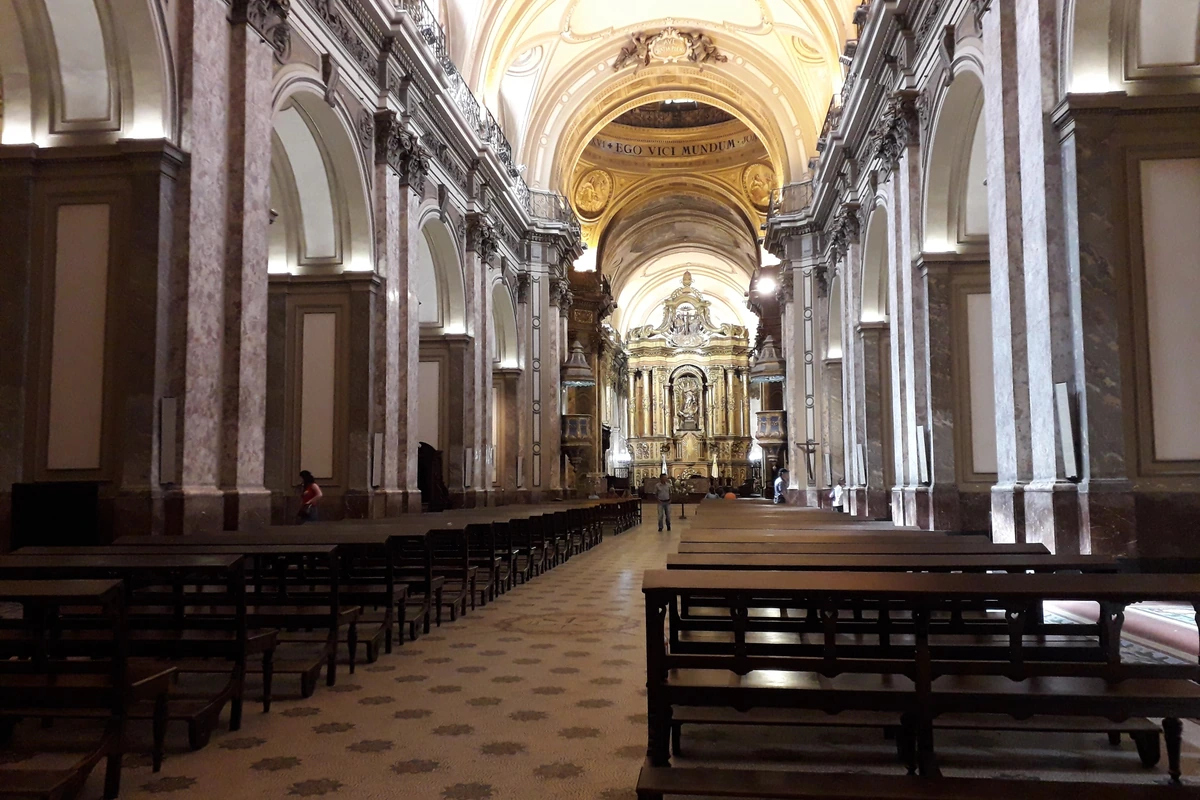
Catholic history is visible, but belief is personal
Catholic inheritance appears in Argentine architecture, schools, public ceremonies, the national calendar and political history. The constitutional framework provides for federal support of the Roman Catholic Apostolic faith and protects freedom of religion. That combination may be unfamiliar to Americans. It does not determine a congregation's practices or an individual's beliefs; questions about marriage, school or membership belong with the relevant institution or authority.
A baptism, procession or memorial can gather observant members alongside relatives whose connection to the tradition is cultural or occasional. Spiritual, agnostic, atheist and secular lives are part of Argentina too. Neither a public ceremony nor the church on a neighborhood corner can describe the convictions of everyone present.
The particular host sets the terms of a visit
Buenos Aires has a prominent Jewish community with synagogues, schools, cultural institutions, bookstores and food traditions. Muslim institutions include mosques and cultural centers. Evangelical and Pentecostal congregations meet in settings ranging from neighborhood spaces to large auditoriums, alongside Orthodox Christian and other Protestant communities. Buddhist, Afro-Brazilian and Indigenous traditions add other forms of belonging; Afro-Argentine life is also part of the country's cultural life.
The mix varies by town, province and migration history. A denomination does not tell you how long the service runs, what the congregation believes politically or how families take part. Music, dress and food may also differ from the version familiar in the United States. The specific gathering, rather than its directory label, is what a prospective visitor needs to understand.
Services are usually in Spanish, though some communities have English-language or bilingual gatherings. A current message from the host can establish the language, schedule, visitor access and registration requirements. A holiday announcement might refer to a private meal, lecture or observance rather than an open service, so its format matters as much as its date.
Visitor guidance may cover dress, seating and donations. Families may need to know how children participate and whether childcare exists; a visitor with access needs will need details of the entrance and facilities. Food customs and permission for photographs or participation in an unfamiliar ritual also depend on the host. It is possible to attend respectfully while observing parts in which visitors do not take part.
Cultural life offers other ways into a community
Neighborhood clubs can combine sports, dances, classes and meetings. Libraries, universities, theaters, museums, union venues and centros culturales provide other settings. Some programs are free or low-cost, but admission and access belong to the individual event. National culture information and the Buenos Aires city agenda can point toward one; its organizer has the live details.
Tango is one part of cultural life rather than a description of the whole country. Córdoba, Mendoza, Rosario, Salta and smaller cities have their own festivals and regional music, with several calendars even within one city. A choir rehearsal, ceramics class or public talk may give you more to share with others than an evening chosen because it seemed typically Argentine.
Returning helps you understand what a first visit cannot
Christmas, Holy Week and Jewish or Muslim observances may alter services, school schedules and other activities. Local dates and closures may differ from those at home or at another congregation. A community that interests you also needs hours, transport and language demands your household can manage if you hope to return.
On a second or third visit, local references and instructions become easier to understand. Private gatherings and declined invitations remain the host's to define. Worship is a living conviction for its participants, and cultural events are sustained by the people who make them happen. If a class or meal follows an introduction, the relationship can grow at a pace comfortable to both sides.
A familiar prayer or shared interest may be the beginning, even when the language and customs around it are new. Returning on the host's terms gives you a better sense of whether the gathering has a place in your life.
Common questions
How do I find a religious or cultural community?
Search current listings in the exact city and contact organizations that interest you. Ask about visitor access, language, schedule and registration before attending.
Does a directory prove a gathering is still operating?
No; schedules, venues and holiday arrangements can change. Confirm with the host's current page or office, especially when the visit involves travel or a particular observance.
How should I approach an unfamiliar congregation?
Read its visitor guidance, introduce yourself and observe before participating. Ask about dress, food, access and photography, and respect any parts reserved for members or invited guests.
Do I need to be religious to find community?
No; clubs, libraries, cultural centers and other institutions offer secular routes into shared activity. Choose a current program that interests you and whose schedule you can maintain.