 Americans in Argentina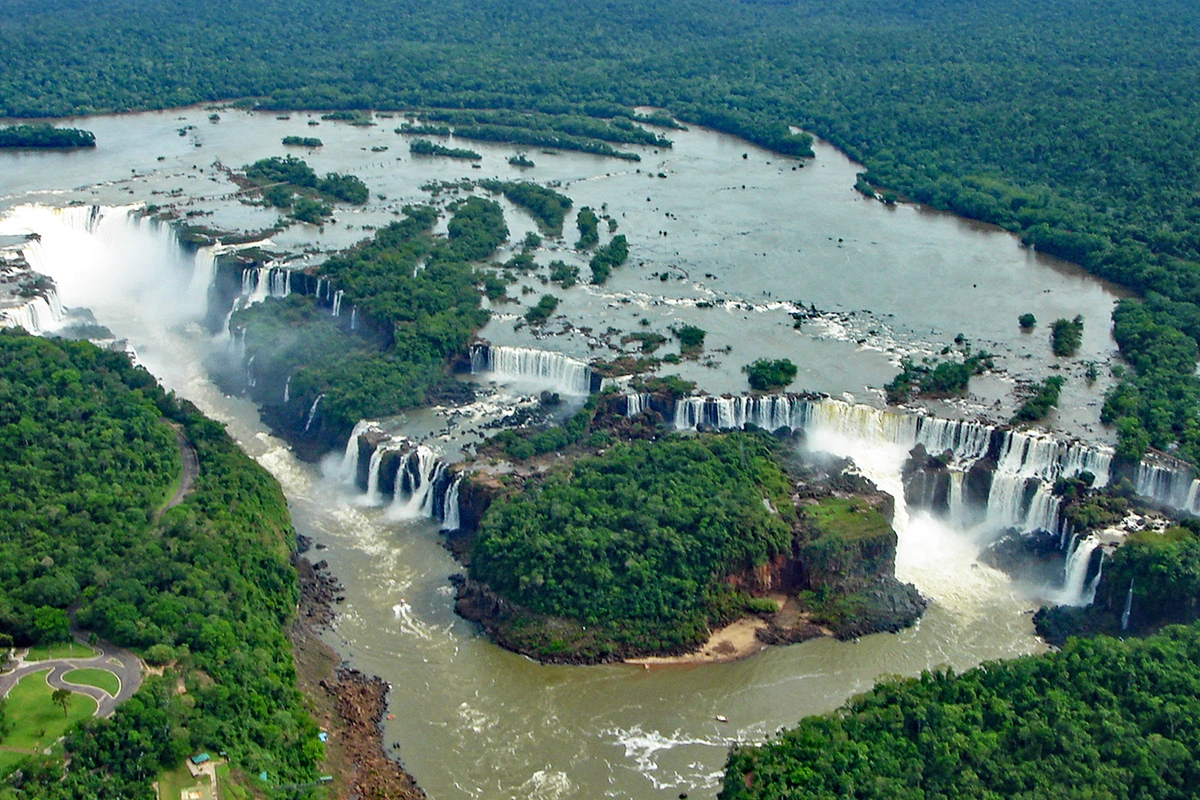
How January and July feel in different cities
The January high/low in Buenos Aires averages 30°C / 20°C (86°F / 68°F); July averages 15°C / 8°C (59°F / 46°F). Humidity stays with the city all year. Córdoba's January averages 31°C / 18°C (88°F / 64°F), while July drops to 19°C / 4°C (66°F / 39°F), with sunny, dry winter days and much colder nights.
Mendoza's January averages 32°C / 19°C (90°F / 66°F) and July 15°C / 3°C (59°F / 37°F); its annual rainfall stays under 250 mm (10 in). Salta's corresponding averages are 28°C / 16°C (82°F / 61°F) and 21°C / 2°C (70°F / 36°F), with most rain falling December to March.
Puerto Iguazú remains humid and rainy throughout the year: January averages 33°C / 21°C (91°F / 70°F), July 23°C / 10°C (73°F / 50°F). Bariloche averages 22°C / 6°C (72°F / 43°F) in January and 6°C / -2°C (43°F / 28°F) in July, when snow is part of winter life. Ushuaia stays cooler still, at 14°C / 5°C (57°F / 41°F) in January and 4°C / -2°C (39°F / 28°F) in July; snow can fall in any month.
Buenos Aires changes most when the rain arrives
A humid Buenos Aires summer can climb above 35°C (95°F) during a heat wave. Winter nights rarely go below freezing, and the last notable snowfall came on July 9, 2007. Spring, September to November, and fall, March to May, usually offer gentler walking weather.
Annual rainfall is about 1,200 mm (47 in), sometimes arriving in storms that flood streets and underpasses in minutes. A sudestada is a persistent southeast wind that can bring days of rain and high water on the Río de la Plata. After a storm, the cold southwest pampero can make yesterday's temperature feel remote.
Dry winters inland still bring cold nights
Córdoba receives most of its rain from October to March, often in summer thunderstorms. Its sunny winter days can end in frost. Mendoza is semidesert, with strong sun and low humidity; afternoon and nighttime temperatures can be 12°C (22°F) apart.
The Zonda comes off the Andes mainly from May to November, bringing hot, dry, dusty air and sometimes a sharp temperature rise within hours. Argentina's national weather service, the Servicio Meteorológico Nacional (SMN), issues Zonda alerts. Snow can close the Cristo Redentor (Los Libertadores) pass to Santiago for several winter days; the crossing reaches about 3,200 m (10,500 ft), and the national government's Pasos Internacionales page posts its status.
In the north, altitude changes the packing list
Misiones and Iguazú Falls are subtropical, hot and wet year-round; the Chaco and Formosa lowlands become some of Argentina's hottest places in summer. Inland, the same region offers a different winter. Salta city, around 1,150 m (3,800 ft), has warm, dry days, but Humahuaca at roughly 2,900 m (9,600 ft) and Salinas Grandes at about 3,400 m (11,200 ft) have strong sun and thin, dry air with nights well below freezing.
April to November is the dry season and generally the easier period for a road trip. In summer, storms can trigger mudslides and close roads through the Quebrada de Humahuaca for hours or days.
Patagonia's daylight changes more than its wind
Bariloche and the Andean lakes get snow from June to September, with most rain in fall and winter. East of the mountains, the steppe is drier and exposed to strong westerlies, especially in spring and summer. A mild-looking forecast there can still mean a windy day outdoors.
Ushuaia has roughly 17 hours of daylight in December and 7 in June. Hiking season generally runs November to March; the ski seasons at Cerro Catedral near Bariloche and Cerro Castor near Ushuaia run roughly mid-June to late September.
Pack for where you will spend the night
From December to February, light clothes, a sun hat and high-SPF sunscreen suit much of the country north of Patagonia. Mosquito repellent matters in Buenos Aires, the north and Iguazú, where recent summers have brought dengue outbreaks. Bariloche, El Calafate and Ushuaia still call for a fleece and windproof shell.
In the shoulder seasons, March to May and September to November, layers handle warm days and cool nights; a light rain jacket earns its place in Buenos Aires. From June to August, the capital's damp cold calls for a warm coat and waterproof shoes. The Andes, Patagonia and the high north need a down jacket, hat and gloves, with sunglasses and sunscreen for strong winter sun at altitude.
A rental's heating matters as much as the forecast
Buenos Aires humidity makes damp and mold common in ground-floor or poorly ventilated apartments. Laundry can dry slowly from May to September. At a viewing, the useful questions concern heating in each room, whether the bedroom has air conditioning for January, and where clothes will dry. Heating may come from a gas heater, radiators or a split air conditioner with a heat setting.
In Bariloche and Ushuaia, heating may run much of the year. Insulation, double glazing and the difference between mains and bottled gas affect daily comfort. PlataPlace accepts plain-language rental searches such as 'apartment with heating in Bariloche'.
Averages help choose the season; the SMN forecast for the place you will sleep helps choose tomorrow's clothes. Two stops in one province can still feel a season apart when one is higher or windier.
Common questions
Will a January move feel hot everywhere?
January averages a high of 33°C (91°F) at Iguazú but just 14°C (57°F) in Ushuaia. Buenos Aires averages 30°C (86°F), with humidity that can make summer harder to sleep through.
When is winter in Argentina?
June to August is winter, opposite the US; July is usually the coldest month and January the hottest. Altitude can make a northern winter night much colder than its daytime temperature suggests.
Does Buenos Aires get snow?
Almost never: its last notable snowfall was July 9, 2007. Bariloche, Ushuaia and the high Andes normally see winter snow.
Which months suit a regional trip?
September to November or March to May generally suit Buenos Aires, Córdoba, Mendoza and the north. Hiking season in Patagonia runs November to March; skiing runs roughly mid-June to late September.
Where do official weather alerts appear?
The Servicio Meteorológico Nacional at smn.gob.ar posts city forecasts and yellow, orange and red alerts for storms, wind, snow, Zonda and extreme heat.