 Americans in Argentina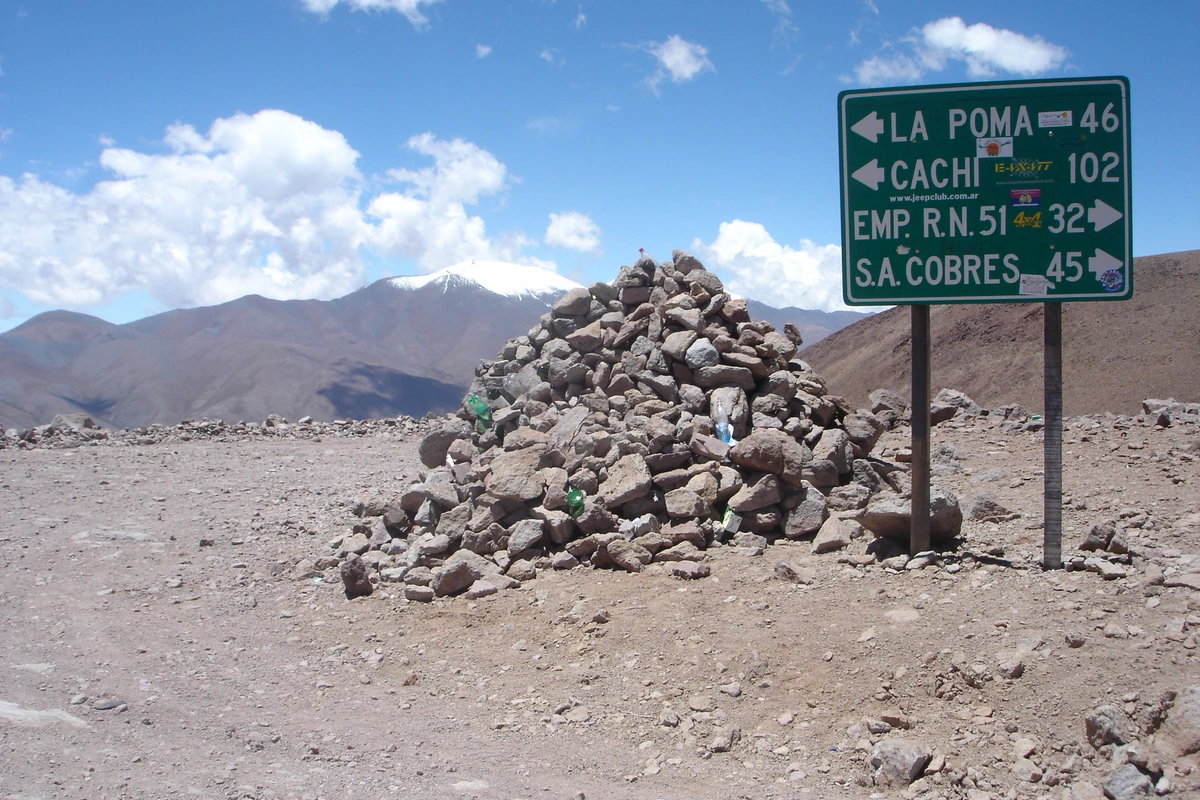
The car makes more sense beyond the transit grid
Walking, colectivos, the Subte, trains and taxis can spare a Buenos Aires resident rental and garage costs. An open curb may still be restricted: bus lanes, yellow curbs and small signs matter. Motorcycles also pass close to turning cars, so an aggressive maneuver by another driver is no guide to the space you have.
Valleys, vineyards, beach towns and Patagonian trailheads are more likely to reward a car when public connections are awkward. The road between those stops deserves as much attention as the destinations. A short line on the map may cross altitude or exposed country with sparse services; fuel, rest and daylight set a more honest daily distance.
The driver and rental agreement set the boundaries
A valid foreign license is generally used subject to Argentine rules and the rental company's conditions. An International Driving Permit may be required by a company or useful as a Spanish translation during an inspection, but the original license must accompany it. The requirements for a particular traveler and rental belong in the decision before payment.
Minimum age, deposit, authorized drivers, insurance deductible and the record of existing damage all affect the rental. Every person who will take the wheel needs authorization under the agreement. The vehicle needs its required paperwork; private owners also need the applicable technical inspection, called VTV or RTO. Identification, license, insurance proof and vehicle documents should be within reach at checkpoints.
Familiar road signs do not make every junction familiar
Traffic keeps right in Argentina, and signs generally use international symbols. At an unsigned intersection, vehicles from the right generally have priority. Lights, signs, roundabouts and road hierarchy can change that, so the junction in front of you takes precedence over a remembered rule from home.
Seat belts are required, children need appropriate restraints under applicable rules and phone use while driving is restricted. National routes require low beams or approved daytime running lights. National roads have a zero-alcohol standard; local enforcement details may differ, making no alcohol before driving the simplest choice. Posted speeds and parking restrictions apply, and police checkpoints are common on tourist corridors and during holidays.
A planned border crossing changes the paperwork
A rental described as suitable for touring may still exclude unpaved roads. Crossing into Chile or another neighboring country calls for advance authorization and additional documents. Some regional agreements include wording about the Falkland Islands, so a clause that touches the proposed route needs an explanation from the agent before departure.
Around Buenos Aires, major roads increasingly use electronic toll systems such as TelePASE; elsewhere a route may take cash or another electronic method. The rental company can explain how its vehicle is registered and how later charges are collected. Long weekends and summer changeover days also bring pressure to roads and lodging even when the distance stays the same.
The stopping point is part of the route
Current road information and Servicio Meteorológico Nacional forecasts are especially useful before a mountain or remote drive. City weather does not describe a high pass, and an alternate road may have problems of its own. Fuel, rest and lodging choices with some reserve make a shortened day possible. Downloaded maps help where mobile coverage thins out.
Rental contacts, lodging addresses, vehicle papers and local emergency information need to work without data. A trusted person can hold the remote itinerary and expected check-in time. Wind, heat, rain, altitude or fatigue may move the practical stopping point closer than planned. Reaching a safe place before dark can be the most successful part of that day's drive.
The car earns its cost on the days it reaches places that are hard to reach otherwise. A shorter regional drive, a weather delay or returning it before another Buenos Aires day can all leave more of the trip available to enjoy.
Common questions
Do I need my U.S. license if I have an International Driving Permit?
Yes. The permit can supply a Spanish translation and may be required by the rental company or helpful at an inspection, but it accompanies the original license. Argentine and rental requirements still apply to your circumstances.
Can a rental car cross into Chile?
An international crossing requires advance rental-company authorization and additional documents. The agreement also determines whether the car can travel on the proposed roads.
How do electronic tolls work in a rental?
Buenos Aires-area roads increasingly use systems such as TelePASE. The rental company's registration and billing process determines how charges appear later; insurance deductibles and authorized drivers are separate contract details to understand.
How far should I drive in a remote area?
Road and weather conditions, fuel stops and daylight set a better limit than mileage alone. Offline maps and a check-in arrangement with someone trusted help when mobile coverage becomes unreliable.