 Americans in Argentina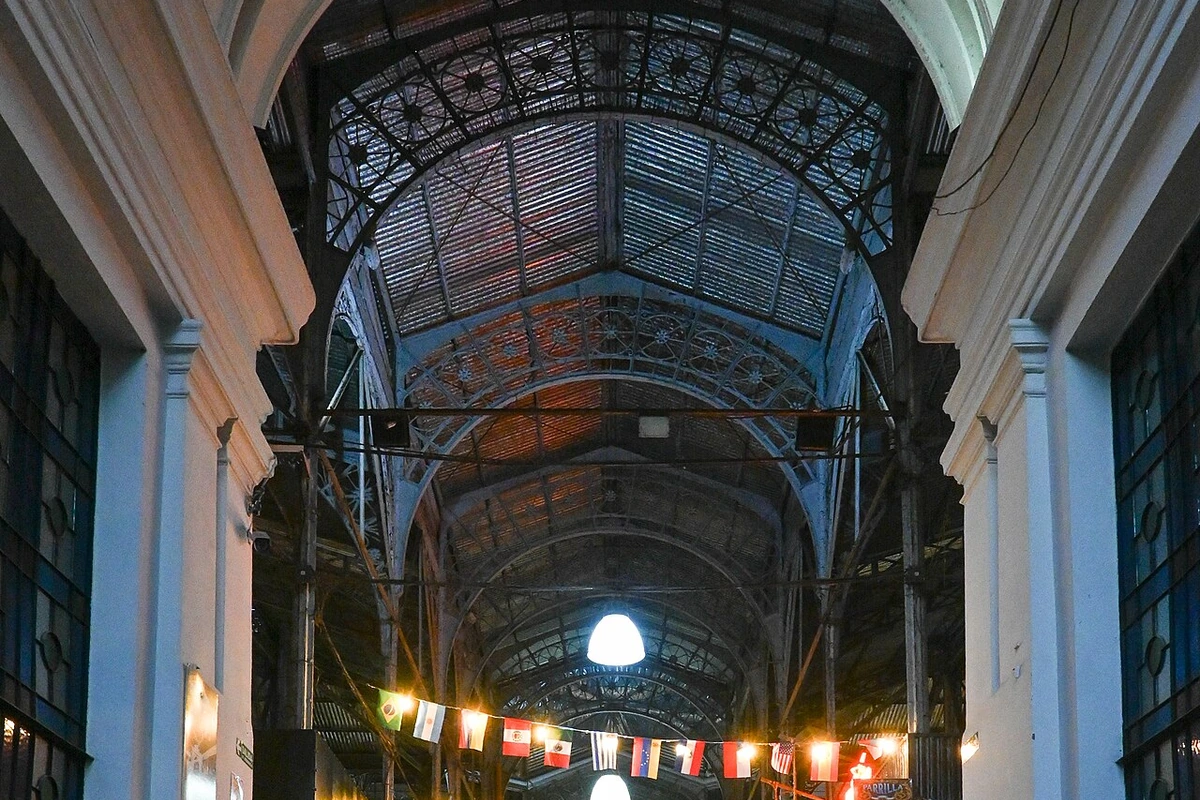
Three covered mercados for everyday shopping
At Defensa 961, Mercado de San Telmo opens daily, roughly 10:00 to 20:00. Its 1897 iron-and-glass hall mixes greengrocers and butchers with antiques and lunch counters. Mornings suit grocery shopping; on Sundays the street fair outside brings a much larger crowd into the building.
Mercado del Progreso has served Caballito since 1889. At Av. Rivadavia 5430 by Primera Junta on subte line A, it opens Monday to Saturday, though many stalls break at midday. Fruit and vegetable sellers, butchers, fishmongers, poultry vendors, and delis make it a working neighborhood market.
Mercado de Belgrano, at Juramento 2527 near the line D station of the same name, also opens Monday to Saturday. Greengrocers, butchers, fishmongers, and delis share a roof that is convenient from Belgrano, Núñez, and Colegiales.
Producer fairs and the neighborhood rota
At the Feria del Productor al Consumidor, family farms and cooperatives sell vegetables, fruit, honey, cheese, eggs, and preserves directly. It meets at UBA's Facultad de Agronomía, Av. San Martín 4453, on weekends announced in advance by the faculty. Cash makes purchases easier.
Two cooperative markets add weekday options. Mercado Bonpland is at Bonpland 1660 in Palermo; El Galpón occupies a former railway shed at Federico Lacroze 4171 in Chacarita. Both sell agroecological vegetables along with flour, dairy, and dry goods.
The city's Ferias Itinerantes de Abastecimiento Barrial move among plazas on a weekly rota published at buenosaires.gob.ar. These morning fairs sell fruit, vegetables, meat, fish, cheese, and bread. The program aims to undercut neighborhood shop prices, making the nearest scheduled plaza useful for regular shopping.
Mercado Central is for bulk buying
Just outside the city in Tapiales, Mercado Central de Buenos Aires sits on the Autopista Riccheri. The regional wholesale produce market also sells to the public; fruit and vegetables by the crate or sack are the lowest-cost bulk option in the metro area. An early trip, cash, and a car for boxes make more sense here than a small walk-home shop.
Sunday's famous fairs serve a different purpose
The Sunday Feria de San Telmo stretches along Defensa from Plaza Dorrego, roughly 10:00 to 17:00. It is a place for antiques, crafts, and street food rather than vegetables. Feria de Mataderos, at Lisandro de la Torre and Av. de los Corrales, brings crafts and folk music together with regional dishes such as locro and empanadas.
Comparable stops in Córdoba and Mendoza
In Córdoba, Mercado Norte stands at Rivadavia and Oncativo in the city center and opens Monday to Saturday, with produce, meat, fish, and lunch counters. Mendoza's Mercado Central, at Av. Las Heras and Patricias Mendocinas, sells produce, meat, and regional products alongside prepared lunches.
Weight and payment at the stall
A request for un kilo, medio kilo, or un cuarto (250 g) usually gets the vendor selecting and weighing the produce. Signs may price goods per kilo, piece, or bunch (atado), so the unit matters when comparing stalls. Bargaining is not customary.
Permanent mercado stalls generally take debit or credit cards and Mercado Pago QR codes; fair stalls often prefer cash pesos or a bank transfer. A foreign card gets close to the official exchange rate but does not qualify for Argentine bank discount days. A reusable bag or wheeled changuito helps with the trip home.
A rough calendar for the produce stalls
Summer, from December to March, brings peaches, plums, tomatoes, melons, and watermelon; cherries arrive from November. Autumn brings apples, pears, grapes, and quinces. In winter, from June to August, look for mandarins, oranges, lemons, squash (zapallo), chard (acelga), and spinach; spring brings strawberries, asparagus, and fava beans.
The nearest verdulería may cover most produce needs, with a covered mercado for meat or fish and an occasional producer fair for a larger trip. Holiday hours and rainy-day cancellations can interrupt that pattern; fairs announce changes on their social media accounts.
Common questions
What are farmers market hours in Buenos Aires?
Street fairs run in the morning, from early until early afternoon. Mercado de San Telmo is open every day, roughly 10:00 to 20:00; Mercado del Progreso and Mercado de Belgrano open Monday to Saturday.
Where can I buy directly from farmers in Buenos Aires?
At the Feria del Productor al Consumidor at the University of Buenos Aires agronomy faculty (Av. San Martín 4453), held on announced weekends. Mercado Bonpland in Palermo and El Galpón in Chacarita sell cooperative and agroecological produce during the week.
Can I pay with a US card at markets?
Yes, at most permanent mercado stalls; bring pesos for fairs. Many fair stalls take only cash, a bank transfer or a Mercado Pago QR payment.
Where is the cheapest fresh produce in Buenos Aires?
Mercado Central in Tapiales, the wholesale market off the Autopista Riccheri, sells to the public by the crate or sack. Inside the city, the rotating ferias itinerantes are the cheaper option.