 Americans in Argentina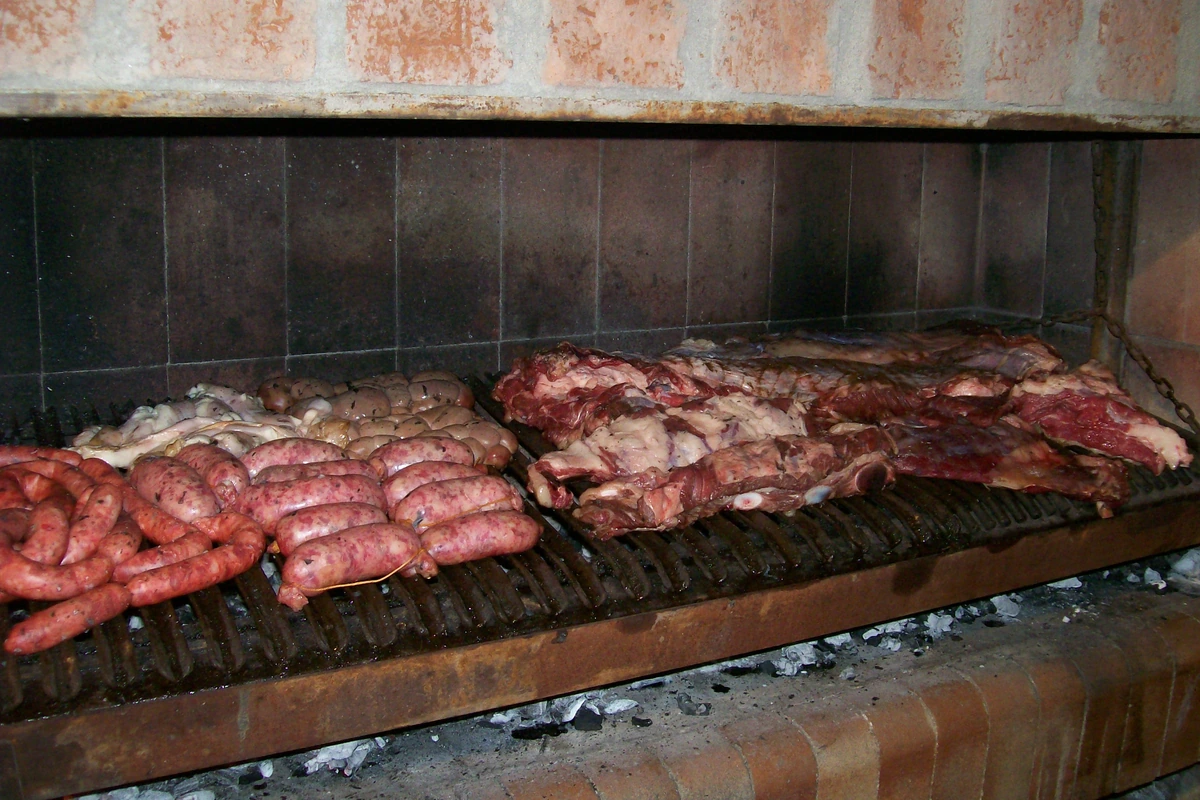
Corn, squash, and the dishes of the northwest
In Salta, Jujuy, and Tucumán, corn, squash, beans, potatoes, and ají peppers appear in dishes with Indigenous roots and strong provincial associations. Locro is a substantial stew of corn, beans, squash, and meat, especially familiar on national holidays. Humita may be spoonable or wrapped in corn husks; tamales enclose seasoned meat in corn dough.
Empanadas reveal how strongly a lunch can belong to a place. A salteña and a tucumana share a name but can differ in dough, size, filling, and seasoning. The question of raisins may sound small until it reaches a family for whom the recipe has always been made one way.
River fish in the northeast, fruit and wine in Cuyo
Waterways and Guaraní foodways shape the northeast's cooking. Along the Paraná and Uruguay, surubí, pacú, and dorado may be grilled or stewed. Mandioca can take the place of potatoes, while cassava starch and cheese give chipá its springy texture at an afternoon table.
Yerba mate is enjoyed across Argentina rather than belonging to a single regional menu. Farther west, Cuyo's dry mountain climate and irrigated agriculture support Mendoza and San Juan wines, olives, fruit, and preserves. Goat belongs to the same food picture. Water explains much of what reaches the table there.
What Patagonia puts on the table
Slow-cooked lamb over open fire is closely associated with Patagonia, including Santa Cruz and Tierra del Fuego. In the Andean lake districts, trout, smoked meats, mushrooms, berries, and chocolate also appear, with Central European immigration part of that history. Apples and pears from northern Patagonia become cider, preserves, and desserts.
Foods with regional names travel too: Córdoba salame and a Mar del Plata alfajor appear well beyond their namesake places. Households also carry several regions' habits at once. Geography helps explain an ingredient without making every family meal an exercise in provincial authenticity.
Cooking a regional dish in an American kitchen
Argentine carcass divisions do not map exactly onto U.S. cuts. Vacío, entraña, tapa de asado, and colita de cuadril behave differently under heat, so a literal translation may buy the wrong cut. Explaining the intended dish and cooking method to a butcher is often more useful.
Unfamiliar oven markings, a small broiler, or a recipe that says to cook until the food takes color may require some adjustment. Corn and squash can make humita, white beans and hominy support locro, and beef with coarse salt and time can make asado. Ají molido is generally milder than many American chile powders. Dulce de leche, membrillo paste, and fresh cheeses offer a way into sweets and merienda.
Traditional names do not establish allergy safety: ingredients, preparation, and cross-contact vary, and medical dietary decisions belong with qualified care. A producer can describe the particular food. For a family recipe, permission matters before photographing or recording the preparation; an adapted version can still acknowledge the person and variation it came from.
A family can learn humita in one season and a Patagonian fruit dessert in another. Neither meal needs to represent the whole country; each offers a closer understanding of an ingredient, a place, and the people who cook with it.
Common questions
How can I learn regional food respectfully?
Choose a region and dish, consult cultural or tourism information, and ask a cook, producer, or host about season and preparation. One household or event cannot represent the entire country.
Are Argentine beef cuts the same as U.S. cuts?
They do not match exactly because the carcass is divided differently. Explain whether you plan to grill, stew, or use another method and ask the butcher for guidance.
Can a traditional recipe establish allergy safety?
No; ingredients and preparation vary, and cross-contact can occur. Ask about the exact product and use a qualified health professional for medical dietary decisions.
Can I adapt the recipe at home?
Yes, while acknowledging the preparation you learned rather than calling yours the only authentic version. Obtain permission if photographing or recording a family recipe, and allow for your kitchen's equipment and the household's needs.