 Americans in Argentina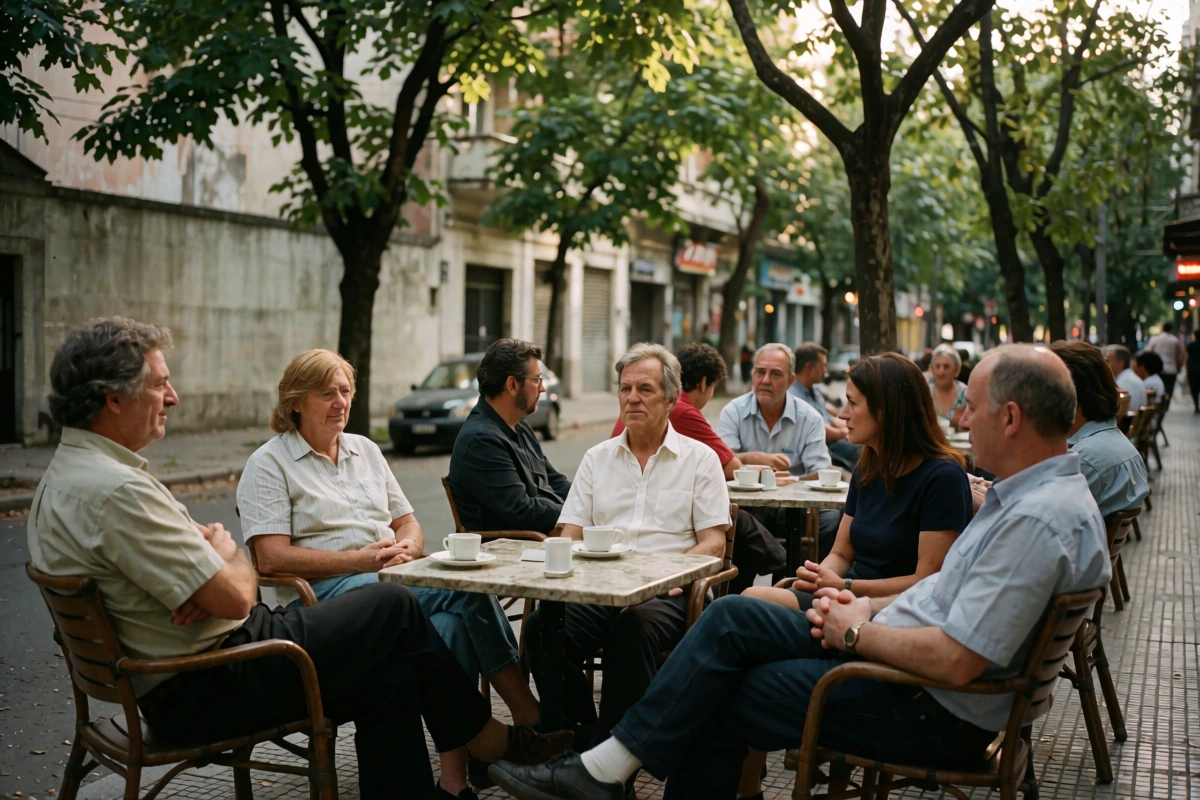
Busy transitions are when belongings need attention
Petty theft is a practical concern on crowded buses and Subte cars and near the curb. A phone held toward the roadway can be vulnerable to a passing motorcycle. Reading directions from a spot away from traffic, then putting the device away, leaves more attention for the street ahead.
At a restaurant, a bag within sight on your lap or between your feet is easier to watch than one hung on the chair behind you. On the sidewalk, carrying it toward the building side and putting a payment card away before leaving a shop reduce the moments when possessions are exposed. A little local cash offers another way to pay if a reader or phone fails.
An evening route is its own journey
Two equally short walks can feel different when one follows a busy avenue and the other crosses an empty industrial edge. The exact address and hour matter more than a neighborhood's general reputation. Visible nightlife may offer company on the street but does not eliminate theft.
A late trip may need a different stop or another ride if service thins out. A charged phone and offline address help when plans change. Farther from cities, current road, trail, weather and mobile-coverage information take on greater importance. A trusted person who knows the remote route and expected check-in time can notice when an outing runs late.
At home, the plan should be easy to remember
A delivery is commonly met at the building entrance. Knowing that routine makes an unclear intercom exchange easier to handle without admitting an unknown caller. Keys need no address label, and household members benefit from being able to state the address and explain which entrance responders should use.
A meeting place and trusted contact give family members a fallback when one person's phone is unavailable. Children and visiting relatives need an age-appropriate idea of whom to approach for help. A short shared routine is easier to recall than an elaborate plan kept on a missing device.
A phone backup has to live somewhere else
A passport ID-page copy kept only on a stolen phone disappears with the original problem. Identity copies, insurance details, prescriptions and key contacts need another secure point of access. Card issuers' international numbers belong outside the wallet; account recovery and two-factor authentication should also work without the primary device.
A trusted person can hold key details, while a paper contact sheet works without data or power. After reaching safety, a police report may be needed for insurance or document replacement. The U.S. Embassy can assist with a lost or stolen U.S. passport and offer consular information after a serious incident; local authorities handle the crime and immediate response.
Local responders come before consular contacts
For an immediate police emergency, 911 is the number to know. In Buenos Aires, SAME handles public medical emergencies through 107; medical and fire arrangements can differ elsewhere, so the local official emergency listing matters when you change destinations. Embassy details serve consular needs alongside those local numbers.
A State Department advisory and an Embassy message provide context when read with their date and location. Argentine notices and transport updates can answer what is happening on the route you actually use. A move to another city, a remote outing or a return outside usual hours is a good reason to revisit the details rather than rely on an old screenshot.
Once the bag, the trip home and the independent contact list have a place in daily life, they need less attention. The point is to have a next step available when an ordinary day changes course.
Common questions
Which number is for an immediate emergency?
Police emergency assistance uses 911. Buenos Aires SAME medical emergencies use 107; medical and fire arrangements vary elsewhere, so the official local listing matters when you change jurisdictions.
What can the U.S. Embassy do after a theft?
It can provide consular information and help with a lost or stolen American passport. Argentine responders and police handle local emergencies and crime reports.
What should I be able to reach without my phone?
Secure alternate access to identity copies, insurance and prescription information, essential contacts and account recovery keeps one lost device from blocking everything at once.
Can a travel advisory describe my street tonight?
An advisory has a date, location and scope. For a particular evening, current local information and the route and hour of your return make its context more useful.